You have food in the fridge, but tomorrow’s lunch still feels unfinished. The rice is in one bowl, the vegetables are in another, and the only lid you can find does not fit. By morning, grabbing something on the way to work starts to feel easier.
The best meal prep containers help you turn those ingredients into a meal you can actually take with you. The useful choice depends on what you pack: a divided lunch, soup, a large batch of vegetables, or something light enough for your everyday bag.
These five sets cover those different routines, with a few details worth checking before you buy.
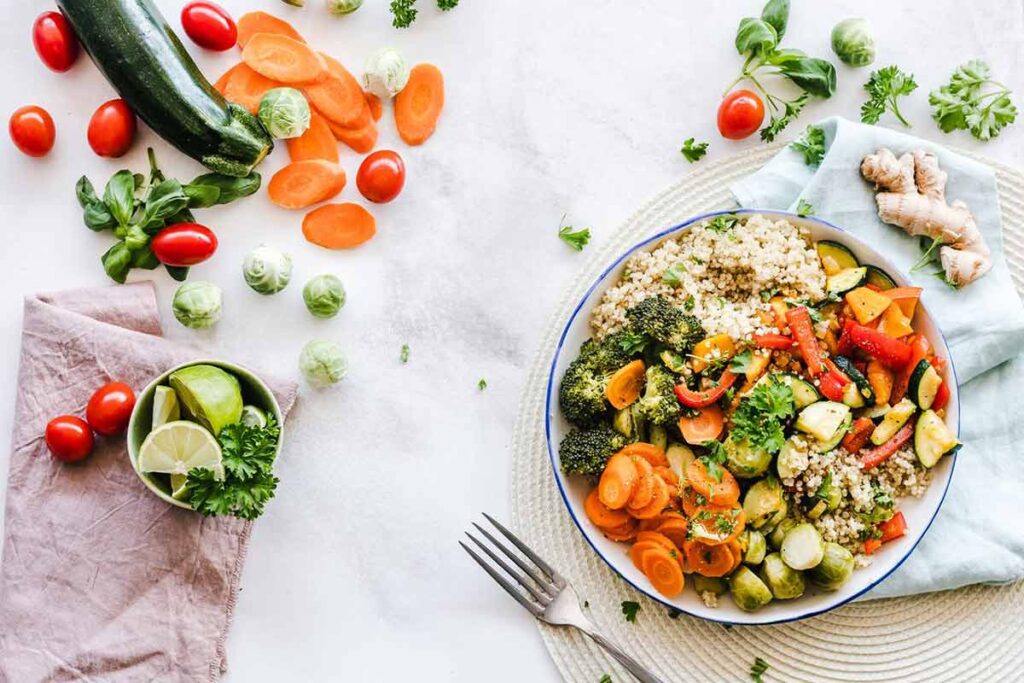
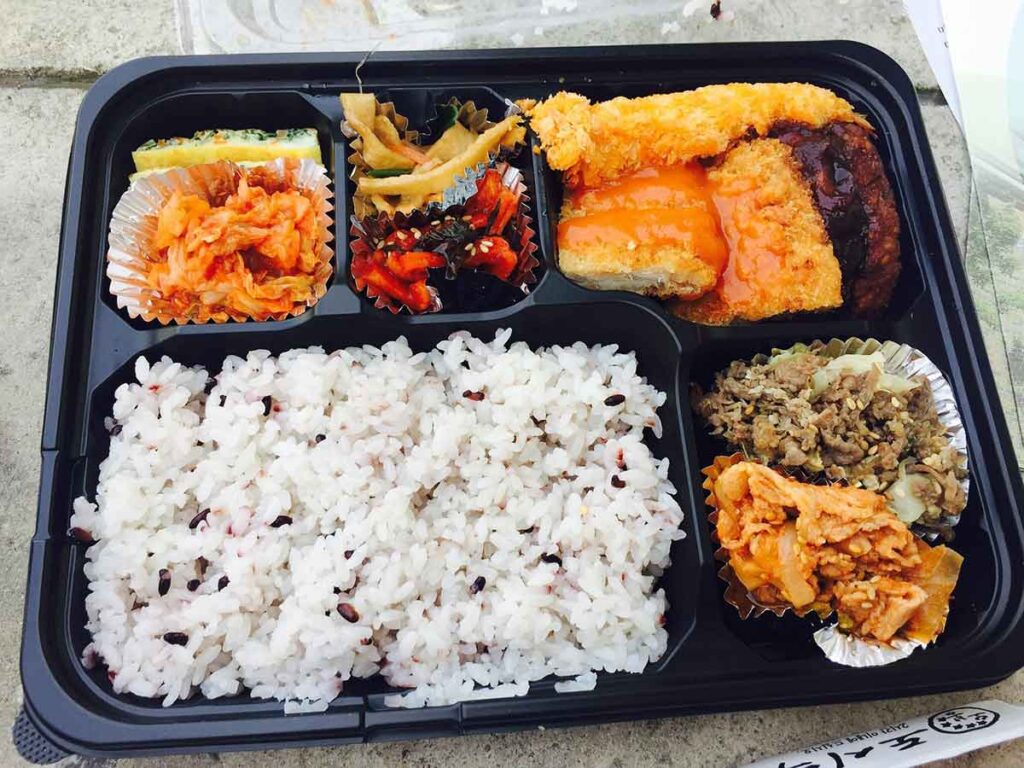
Photo by Jungyeon Min on Pixabay
Affiliate Disclosure
As an Amazon Associate, I earn from qualifying purchases. This article contains affiliate links, which may earn BloomHerLife a commission at no extra cost to you. Thank you for supporting BloomHerLife.
Best Meal Prep Containers at a Glance
| Container set | Best suited to | Selected size and quantity |
|---|---|---|
| LEOBOX four-compartment bento boxes | Packing several divided meals or sharing food | 40 containers with lids; 34 oz each |
| BYSNOW mixed-size deli containers | Soups, sides, snacks, and smaller leftovers | 60 containers with lids; 20 each in 8, 16, and 32 oz |
| Monteseno extra-large glass containers | Storing larger batches of prepared ingredients | Two bowls with lids; 90 and 52 oz |
| PrepNaturals three-compartment glass containers | Divided lunches in reusable glass bases | Five containers with lids; 34 oz each |
| Rubbermaid Brilliance Tritan containers | Carrying lighter everyday lunches | Five 3.2-cup containers and five lids; 10 pieces total |
This is an editorial comparison of the selected sizes, listed materials, lid designs, and available customer feedback. BloomHerLife has not conducted hands-on testing of these sets.
Five Container Sets for Different Meal Prep Routines
1. LEOBOX 40-Pack 34 oz Four-Compartment Bento Boxes
If you regularly pack several meals at once, this LEOBOX set gives you a large supply of matching boxes and lids. Each polypropylene box has one larger section and three smaller ones, so you can arrange a main dish and sides without bringing several separate containers.
Think chicken or tofu in one section, rice in another, and vegetables and fruit alongside. The layout is useful when you like seeing the components of your lunch before you leave the house.
Why it fits: The 40-pack makes sense for frequent batch packing, family leftovers, or giving someone a prepared meal. The lighter plastic construction is also easier to carry than a similar quantity of glass containers.
Consider before buying: Forty boxes may be more than a small household needs. The listing describes a leak-resistant seal, so keep loose dressings or very runny sauces in a separate closed container when transporting meals.
Check the LEOBOX 40-Pack on Amazon
2. BYSNOW Combo 60-Set Deli Containers with Lids
Some weeks, meal prep means lentil soup and chopped vegetables rather than identical lunch boxes. The BYSNOW Combo set suits that approach, with 20 containers in each of three capacities: 8, 16, and 32 oz.
Use the smaller sizes for hummus, snacks, sauces, or modest leftovers, and the larger ones for soup or a bigger serving. Having several sizes helps you avoid storing a spoonful of leftovers in your largest container.
The clear plastic also makes the contents easy to identify. Choose the “Combo–60 Sets” option if you want this assortment; the listing also offers packs containing one size.
The seller specifies removing lids before microwaving and using the dishwasher’s top rack. Check the current instructions for temperature and freezer use, and leave room for expansion when freezing suitable foods.
Best fit: A household that frequently stores soups, ingredients, and sides in different quantities. The 60-set pack is less compelling if you only need a few matching lunch boxes.
Check the BYSNOW Combo 60-Set on Amazon
3. Monteseno Two-Pack Extra-Large Glass Food Storage Containers
These round borosilicate glass bowls fill a different role from a compact lunch box. The selected set contains one 90 oz bowl and one 52 oz bowl, with the smaller bowl nesting inside the larger one when empty.
That makes them a practical option for larger quantities of prepared ingredients: a batch of cooked grains, chopped vegetables, or food you plan to portion into smaller containers later. You can keep a component ready and assemble meals to suit the day.
For example, prepared chicken can become a grain bowl one day and a wrap the next. Our guide to rotisserie chicken and easy balanced meals offers combinations that work with this approach.
Consider before buying: These are larger, heavier bowls with no internal dividers. The listing had a comparatively limited review history when we selected it, so its capacities and intended uses are a clearer basis for choosing it than claims about long-term durability.
Treat instructions for the glass and lids separately. The seller’s heat-use claims apply to the glass bowls; check the supplied directions before heating, freezing, or changing temperatures.
Check the Monteseno 90 oz and 52 oz Set on Amazon
4. PrepNaturals Five-Pack 34 oz Three-Compartment Glass Meal Prep Containers
For readers who prefer a divided glass lunch container, this PrepNaturals set provides five matching 34 oz bases with lids. The three sections help organize solid foods, such as a protein, a grain, and vegetables, in one container.
The key detail is how those dividers behave during transport. Customer feedback for the three-compartment version describes liquids moving between sections when the container tilts or turns over. Separate compartments do not automatically mean separately sealed compartments.
Pack a saucy dish with that limitation in mind, and use a separate closed cup for dressing when you want other ingredients to stay dry. A sealed outer lid and barriers between foods perform different jobs.
Why choose it: Divided glass bases suit readers who want a reusable set for assembling lunches. The trade-off is extra weight in your bag, and you should follow the glass-base and lid care instructions separately.
Check the PrepNaturals Three-Compartment Five-Pack on Amazon
5. Rubbermaid Brilliance Tritan Five-Pack, 3.2 Cups
If carrying glass feels cumbersome, Rubbermaid Brilliance offers five clear Tritan plastic containers with matching locking lids. The selected 3.2 cup (10-Piece) option means five containers and five lids, rather than ten containers.
This size suits many lunches and leftovers, although a bulky leafy salad or a larger meal may need more room. The single open compartment gives you flexibility for mixed dishes without fitting everything into fixed sections.
Customer feedback is broadly positive, but some buyers report cracking, difficult opening, or leaks, including reviews of this size. Those reports deserve a brief durability consideration without treating them as everyone’s experience.
Rubbermaid’s Brilliance care instructions specify microwave reheating of precooked food with the latches open. They also warn against reheating foods high in salt, oil, fat, or sugar; use an appropriate separate dish when a meal falls outside those directions.
Best fit: A smaller matching set for carrying lunches or organizing leftovers, especially when container weight matters to you.
Check the Rubbermaid Brilliance 3.2-Cup Five-Pack on Amazon
Build a Satisfying Meal Before You Fill the Box
A divided container can make lunch look organized, but the compartments are not a personalized portion plan. Your lunch box should fit your meal.
Registered dietitian Elyse Homan, MS, RD, LD, advises: “Make meals satisfying by including a balance of protein, produce and complex carbohydrates.” In Cleveland Clinic’s beginner’s guide to meal prep, she also recommends starting with the meal you find hardest to prepare and choosing ingredients you can use in several combinations.
Try a protein such as chicken, tofu, or lentils, add vegetables, and include rice, potatoes, or another carbohydrate you enjoy. A dressing, avocado, or nuts can finish the meal; adjust the amount and combination to your appetite and needs.
Our guide to building a balanced plate without counting calories gives you a flexible framework. If your usual lunch leaves you hungry soon afterward, explore foods that help you feel full longer for more combinations.
A 2017 observational study of 40,554 French adults found that meal planning was associated with better diet quality and greater food variety. It did not establish that planning caused those differences, or that buying particular containers improves nutrition.
The useful habit is deciding what you will eat and making it easier to reach when the day gets busy.
Keep Your Prep Schedule Within Safe Storage Times
Sunday cooking can make Monday easier. It also needs a plan for food you will eat later in the week.
In its published Q&A about how long leftovers can safely stay refrigerated, Mayo Clinic advises three to four days. Refrigerate perishable leftovers promptly, within two hours at ordinary room temperature, or within one hour when it is above 90°F (32°C).
Freeze portions you will not eat within that refrigerated window, using containers approved for freezer use. Keep perishable lunches cold during transport, and reheat leftovers to an internal temperature of 165°F (74°C) in a suitable dish.
For larger batches, USDA guidance recommends small, shallow containers for rapid cooling. Keep your refrigerator at 40°F (4°C) or below; a large storage bowl should not become a reason to cool a deep batch slowly.
A tight lid does not add extra days to leftovers. Label the preparation date so the oldest portions are easy to spot.
Frequently Asked Questions
How many meal prep containers do I need when starting?
Count the meals you plan to pack between washing up, then consider one spare container. Someone taking two lunches from home may find a small matching set sufficient. The 40- and 60-container packs make more sense when you regularly portion food for several people or share meals.
Can the lid go in the oven with a glass container?
An oven rating for a glass base does not extend to its lid, gasket, or plastic parts. Remove those components unless the manufacturer explicitly approves them for that use. Check the exact set’s instructions rather than applying a temperature rating from another product.
Can I fill a freezer container to the top?
Leave room for expansion, especially with soups and other foods containing plenty of water. Follow the manufacturer’s fill guidance and confirm that the container is approved for freezer use. A lid that closes on unfrozen food may be strained once the contents expand.
Final Thoughts
Choose the set for the meal prep you already do, or the one small routine you want to make easier. LEOBOX and PrepNaturals organize divided meals; BYSNOW offers several storage sizes; Monteseno handles larger batches; Rubbermaid Brilliance gives you a lighter matching lunch set.
Start with the meal you most often scramble to put together. A useful container makes the next meal easier to reach.
Which meal is hardest for you to prepare ahead of time?
Do you prefer divided lunch boxes or containers for ingredients you can mix later?
Share your experience in the comments to help another woman make tomorrow’s meal a little easier.