You finish your morning coffee and notice a burn behind your breastbone. Later, a few squares of chocolate leave a sour taste in your mouth, and you start wondering whether both have to go.
Coffee and chocolate are common acid reflux triggers, but the list alone cannot tell you what you personally need to avoid.
Before rewriting your grocery list, look at the amount, timing, and symptoms that keep returning. You may have more room to adjust than you think.
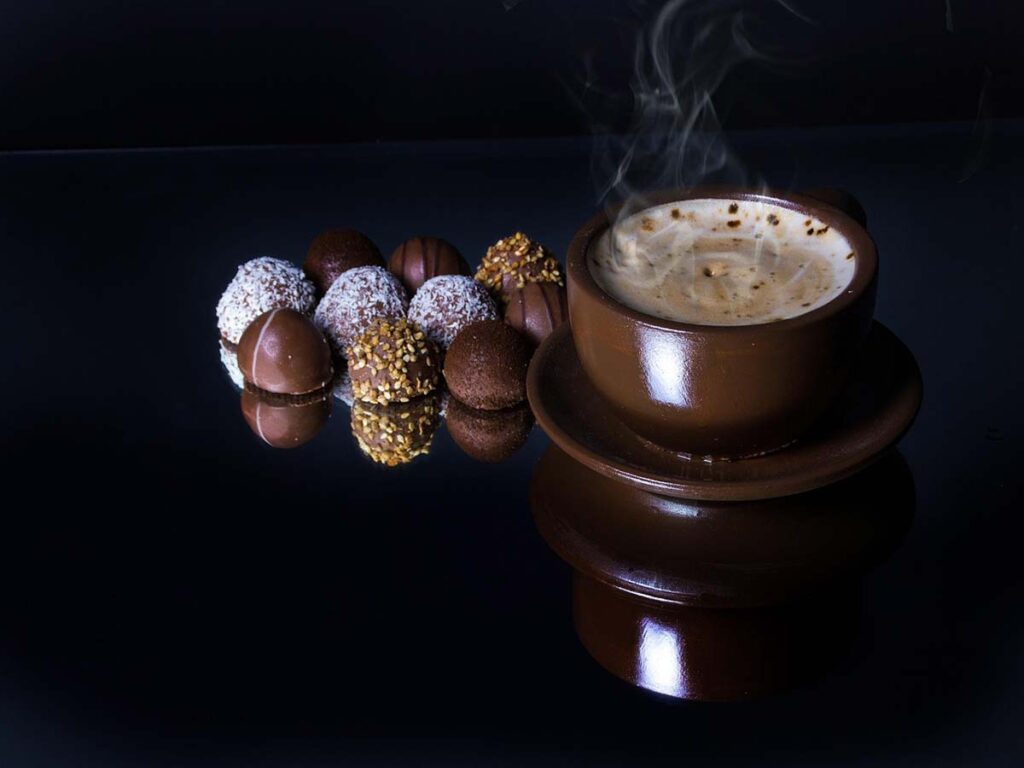
Photo by DaveJonesphotography on Pixabay
In This Article
Why coffee and chocolate can bother you
Reflux happens when stomach contents flow back into the esophagus. Chocolate can lower pressure in the muscle that helps keep those contents down, although laboratory findings do not establish that everyone benefits from avoiding it.
The American College of Gastroenterology guideline describes limited, variable evidence for many dietary restrictions; coffee and caffeine have shown little or no effect on that muscle’s pressure in laboratory studies.
Still, an observational study of 48,308 women aged 42–62 linked higher coffee intake with more reflux symptoms. It could not prove that coffee caused them. Coffee can be worth investigating without becoming an automatic lifelong ban.
A real question about restrictive food rules
In a published Mayo Clinic Q&A, a 62-year-old reader described difficulty maintaining weight while navigating reflux food restrictions. Gastroenterologist Marcelo F. Vela, MD, explained:
Instead, we now suggest only avoiding foods that you know make your symptoms worse.
That distinction matters when your list of forbidden foods keeps growing. The aim is to find the restrictions that actually help you.
How to check your acid reflux triggers
For mild, occasional symptoms, a brief food-and-symptom log can help you notice patterns:
- Record the coffee or chocolate, portion, time, and symptoms over several days. Note the surrounding meal and whether you lay down afterward.
- Change one thing first, such as reducing your coffee serving or temporarily leaving out chocolate. Keep other habits reasonably consistent.
- Compare several occasions. One uncomfortable afternoon cannot reliably identify a trigger.
- If symptoms settle, consider whether a smaller amount is comfortable. Stop a trial that repeatedly brings symptoms back; persistent or severe symptoms need medical advice.
Changing everything at once makes it harder to know what helped. This is an informal pattern check, not a diagnostic test. Keep prescribed treatment as directed.
A few squares of chocolate and a large chocolate dessert are different servings, so record what you actually ate. There is no universal portion that guarantees comfort.
For nighttime symptoms, NIDDK advises leaving at least three hours between a meal and lying down or bedtime. Our guide to heartburn after holiday meals explores how the rest of the meal can contribute.
Try This Today
Save a photo of your usual coffee order or chocolate serving today. Use it as a reference when comparing portions, so your notes are more precise than “a cup” or “a little.”
When to get symptoms checked
Arrange care for frequent symptoms or symptoms that persist despite simple changes. Trouble swallowing, persistent vomiting, or unexplained weight loss also deserve medical assessment; NIDDK’s symptom guidance lists these warning signs. Vomiting blood or passing black, tarry stools needs urgent care.
Do not assume new or severe chest pain is reflux. Get emergency help, especially with shortness of breath or arm or jaw pain, as Mayo Clinic advises.
Frequently Asked Questions
Will switching to decaf prevent reflux?
Not necessarily. MedlinePlus includes decaffeinated coffee among drinks that can aggravate reflux. You can observe whether a switch helps you, but a decaf label does not guarantee symptom relief.
Does needing the bathroom after coffee mean I have reflux?
A bowel urge alone does not establish reflux. The gastrocolic reflex can help explain why eating or coffee is followed by a bowel movement; reflux more typically involves burning or stomach contents coming back up.
Final Thoughts
Your own repeatable pattern can guide a more comfortable coffee break. Keep the foods you tolerate, adjust the ones that consistently bother you, and bring recurring symptoms to a clinician rather than letting the forbidden-food list keep expanding.
Have you noticed reflux after coffee or chocolate?
Did changing the portion or timing make a difference?
Share what you observed in the comments.