

Ten minutes may not sound like much when fitness advice keeps telling you to do more.
But a short workout can still be a useful starting point, especially on days when an hour at the gym is simply not happening. You do not need equipment, a large space, or an advanced fitness level to move your whole body.
The goal of this routine is simple: five basic exercises, two rounds, ten minutes total.
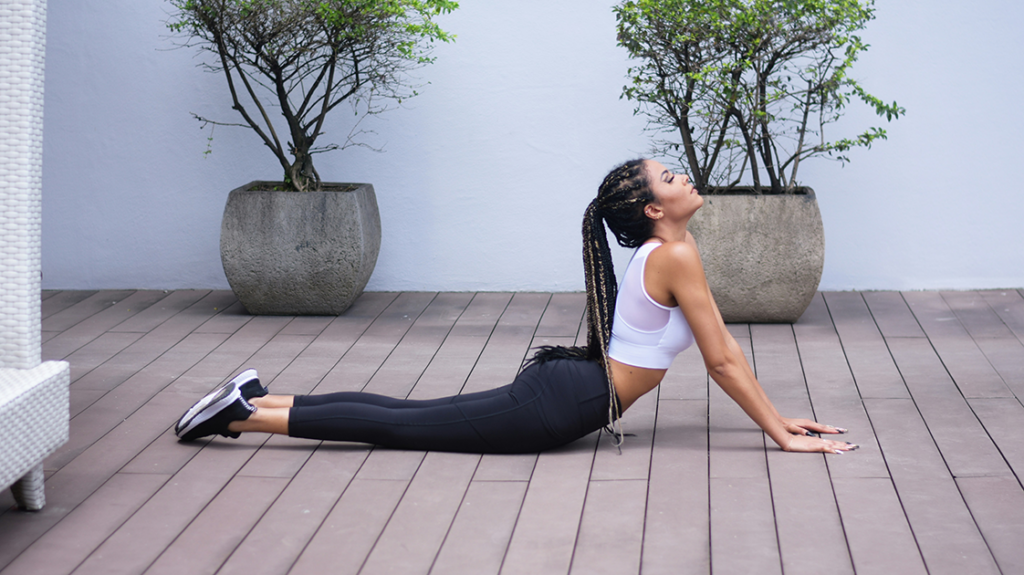
Photo by Chalo Garcia on Unsplash
Can a 10-Minute Workout Really Count?
Yes, but with an important caveat.
The CDC says any amount of physical activity has some health benefits. Adults should still work toward about 150 minutes of moderate-intensity aerobic activity each week plus muscle-strengthening activity on at least two days. Short sessions can contribute to that total rather than needing to happen in one long workout.
So think of ten minutes as a useful building block, not a magic number or a complete fitness program.
Mayo Clinic wellness physical therapist Danielle Johnson gives busy people a refreshingly practical reminder:
“Every little bit counts… Ten minutes is great.”
Her suggestions for short breaks include movements such as squats, lunges, chair push-ups, and walking stairs.
Your 10-Minute No-Equipment Workout
Perform each exercise for:
40 seconds of movement + 20 seconds of rest
Complete all five exercises, then repeat the entire circuit once more.
That gives you exactly 10 minutes.
If you are completely new to exercise or feel stiff, spend a couple of extra minutes walking around and gently moving your shoulders, hips, and ankles before starting.
1. Squats
Stand with your feet about hip- to shoulder-width apart. Send your hips back as if you are sitting into a chair, then stand again.
Keep the movement controlled rather than trying to complete as many repetitions as possible.
Make it easier: Squat toward an actual chair and lightly touch the seat before standing.
You should feel: thighs and glutes working.
2. Wall or Modified Push-Ups
Push-ups work the chest, shoulders, arms, and core, but there is no reason to begin on the floor if that feels too difficult.
A wall or sturdy kitchen counter is a perfectly legitimate starting point.
Keep your body in a straight line, bend your elbows, bring your chest toward the surface, then push away.
As you become stronger, you can gradually use a lower surface.
3. Glute Bridges
Lie on your back with your knees bent and feet on the floor.
Gently tighten your abdomen, press through your feet, and lift your hips until your body forms a comfortable line from shoulders to knees.
Lower slowly rather than dropping back to the floor.
If lying on your back is uncomfortable or inappropriate for you, substitute another set of controlled chair squats.
4. Plank or Elevated Plank
Place your hands or forearms on a stable surface and keep your body long rather than allowing your hips to sag.
You do not have to hold a full floor plank for 40 seconds.
A wall, countertop, or sturdy bench makes the movement easier while still challenging your core.
Stop before your form begins to collapse.
5. Step Jacks or Jumping Jacks
For a lower-impact version, step one foot out to the side while raising your arms, return to the middle, then repeat on the other side.
If jumping feels comfortable and appropriate for you, use regular jumping jacks instead.
Choose the version that lets you move briskly without pain or losing control.
Then rest for 20 seconds and begin Round 2.
What Should Round 2 Feel Like?
The second round may feel noticeably harder. That is normal.
But harder does not mean sloppy.
If your squat becomes very shallow, your plank collapses, or you are holding your breath to finish the interval, slow down or switch to the easier variation.
Form matters more than the number of repetitions.
Do You Need to Do This Every Day?
No.
You can use this workout two or three times per week and combine it with walking, other strength exercises, stretching, cycling, swimming, or whatever movement fits your life.
If you are new to strength exercise, recovery matters too. NIDDK guidance recommends gradually increasing strengthening activity and allowing muscles time to recover rather than suddenly doing too much.
If a structured workout feels like too much right now, start with our simple daily movement routine for women instead.
How to Progress After a Few Weeks
When the routine starts feeling easier, do not immediately double everything.
Choose one small progression:
- make your squat slightly deeper
- move your push-ups from the wall to a countertop
- use a lower surface for your plank
- increase your pace during step jacks
- add a third round occasionally
- combine the workout with a walk
Gradual progression gives your body time to adapt.
And exercise works best alongside regular nourishment rather than aggressive dieting. Our balanced-meal guide offers a simple approach to protein, fiber-rich carbohydrates, plants, and healthy fats.
When to Stop or Get Individual Advice
Muscle effort is expected. Sharp pain is not.
Stop exercising if you develop chest pain, dizziness, faintness, unusual shortness of breath, nausea, or significant pain.
If you have heart disease, diabetes, a significant joint problem, a recent injury, another chronic health condition, or you are returning after a long period of inactivity, ask a healthcare professional what type and amount of exercise is appropriate for you.
Final Thoughts
Ten minutes will not transform your body overnight.
But it can remove one very common barrier: “I don’t have enough time to exercise.”
Start with two controlled rounds. Modify anything that does not suit your body. Then, as you become stronger or more comfortable, build from there.
A short workout you actually do is a much better starting point than an ambitious routine that never fits into your life.
Maybe squats feel easy while push-ups are still a challenge, or perhaps you prefer the low-impact versions.
Share what works for you in the comments below — your experience may encourage another woman to start small.