

Some afternoons, another cup of coffee feels like the only thing standing between you and the rest of the day.
But food can matter too.
No single ingredient can “boost” your energy all day, and persistent fatigue deserves more than a snack recommendation.
Still, meals that include protein, fiber-rich carbohydrates, healthy fats, and enough overall food can help provide more consistent fuel than relying mainly on sugary snacks or caffeine.
Here are 12 simple foods that can fit into meals and snacks designed for steadier energy.
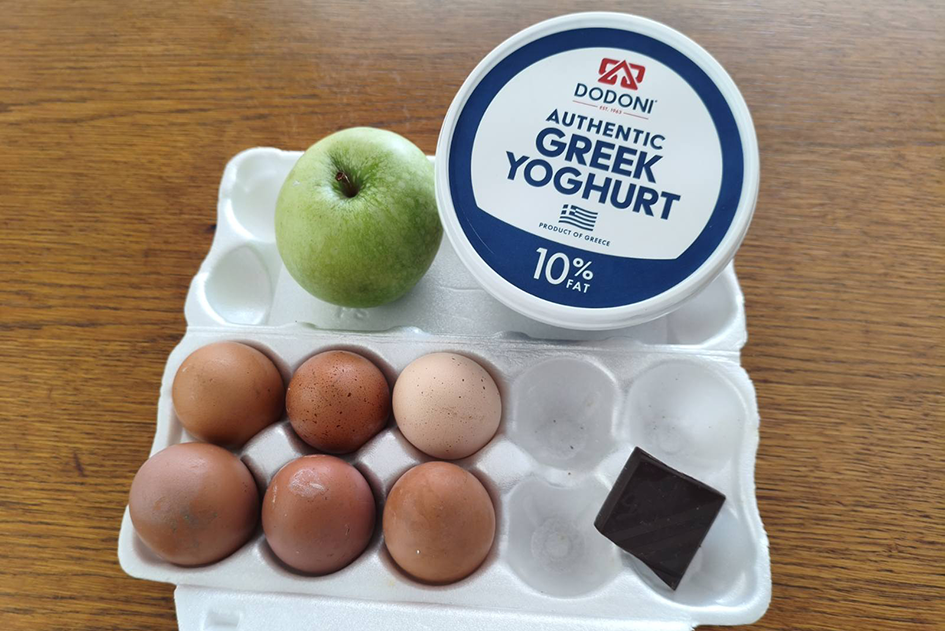
Photo by BloomHerLife
Why the Whole Meal Matters More Than One “Energy Food”
Your body gets energy from food, but different meals are digested at different rates.
A balanced meal usually has more staying power than a meal built mostly around refined carbohydrates or added sugar.
Harvard dietitian Teresa Fung, ScD, RD, makes a useful point about the morning meal:
“People tend to brush off breakfast.”
Harvard Health recommends combining protein, fiber-rich carbohydrates, and fruits or vegetables rather than looking for one special food that promises instant energy.
If you want a simple framework for putting those pieces together, our guide to building balanced meals can help.
1. Oats
Oats provide fiber-rich carbohydrates and can be an easy base for a satisfying breakfast.
Instead of eating plain oats alone, try adding Greek yogurt, milk, nuts, chia seeds, or nut butter.
That combination adds protein and fat, which can make the meal more filling.
2. Bananas
Bananas are a convenient source of carbohydrates, along with potassium and some fiber.
They work well when you need something quick before a walk, workout, or busy morning.
For a more substantial snack, pair a banana with peanut butter, yogurt, or a handful of nuts.
3. Eggs
Eggs provide protein along with several vitamins and minerals.
They can make breakfast more satisfying when combined with whole-grain toast, vegetables, fruit, or another carbohydrate source.
You do not need to eat eggs every morning, but they are a practical option when you want a protein-rich meal without much preparation.
4. Almonds
Almonds provide healthy fats, protein, fiber, magnesium, and other nutrients.
A small handful works well with fruit when you want a snack that feels more substantial than fruit alone.
Other nuts can work just as well, so there is no need to choose almonds specifically if you prefer walnuts, pistachios, peanuts, or another option.
5. Greek Yogurt
Greek yogurt is convenient because it provides a relatively high amount of protein in one simple food.
Pair it with berries, oats, nuts, or chia seeds for a more balanced breakfast or snack.
Some yogurts also contain live cultures, but check the label rather than assuming every product provides the same cultures.
If you often reach for snacks when energy drops, these healthy snacks for energy and cravings offer more practical combinations.
6. Sweet Potatoes
Sweet potatoes provide carbohydrates, fiber, potassium, and beta-carotene.
They can be especially useful as part of a meal with protein and healthy fat — for example, sweet potato with chicken, beans, eggs, or salmon.
They do not need to replace every other carbohydrate.
Rice, potatoes, whole grains, and other carbohydrate foods can also be part of balanced meals.
7. Spinach
Spinach contains nonheme iron, the form of iron found in plant foods.
Iron matters because your body uses it to make hemoglobin, which carries oxygen through the blood.
Adult women ages 19 to 50 generally need 18 mg of iron per day, according to the NIH Office of Dietary Supplements.
Pairing plant sources of iron with vitamin C-rich foods such as peppers, tomatoes, berries, or citrus may improve absorption.
But persistent fatigue should not be treated by taking iron supplements without knowing whether iron deficiency is actually present.
If tiredness has become a regular part of your day, our guide to common reasons women feel tired looks at the bigger picture.
8. Chia Seeds
Chia seeds provide fiber, plant-based omega-3 fats, and some protein.
They are easy to add to oatmeal, yogurt, smoothies, or overnight oats.
Start with a reasonable amount and increase fiber gradually if your usual diet is low in fiber.
9. Apples
Apples provide carbohydrates, water, and fiber.
On their own, they can be a light snack.
Paired with peanut butter, almonds, cheese, or yogurt, they become more filling and provide a mix of carbohydrate, protein, and fat.
10. Salmon
Salmon provides protein, omega-3 fats, vitamin B12, and other nutrients.
Try combining it with vegetables and a carbohydrate source such as potatoes, rice, quinoa, or whole-grain bread.
The point is not that salmon gives you an immediate “energy boost.”
It simply provides several nutrients that fit well into a balanced meal.
11. Dark Chocolate
Dark chocolate can be part of an enjoyable diet.
It contains some caffeine and theobromine, so it may feel mildly stimulating, but it should not be treated as a solution for ongoing fatigue.
A small portion paired with fruit or nuts can be a satisfying snack when you want something sweet.
12. Beans and Lentils
Beans and lentils combine carbohydrates, fiber, plant protein, iron, and other nutrients.
They can make soups, salads, grain bowls, and simple dinners more satisfying without requiring expensive ingredients.
If keeping full between meals is difficult, our guide to foods that keep you full longer explains why protein, fiber, and meal composition matter.
Do Not Forget Hydration
Water is not a food, so it does not belong on a list of 12 foods.
But hydration still matters.
Dehydration can cause tiredness, dizziness, thirst, and darker urine, and fluid needs vary with activity, weather, health, pregnancy, and other factors.
Keep fluids accessible throughout the day rather than trying to follow one rigid water rule.
How to Build a Meal for Steadier Energy
You do not need all 12 foods.
A simpler approach is to combine:
- a protein source
- a fiber-rich carbohydrate
- fruit or vegetables
- some healthy fat
For example:
Greek yogurt + oats + berries + walnuts
or:
eggs + whole-grain toast + avocado + fruit
or:
lentils + brown rice + vegetables + olive oil
That pattern matters more than whether one particular “energy food” appears on your plate.
When Low Energy Is More Than a Food Problem
Food can support energy, but it cannot explain every case of fatigue.
Sleep problems, stress, pregnancy, anemia, thyroid conditions, depression, medications, and many other factors can contribute.
Cleveland Clinic advises talking with a healthcare provider when fatigue is persistent, has no clear explanation, appears suddenly, or begins interfering with normal daily activities.
Seek prompt medical attention if fatigue appears with symptoms such as chest pain, significant shortness of breath, fainting, or another severe or sudden symptom.
Frequently Asked Questions
What should I eat when I feel tired in the afternoon?
Try a snack that combines carbohydrates with protein or healthy fat.
Fruit with nuts, Greek yogurt with berries, or whole-grain crackers with hummus can be more satisfying than relying only on candy or another sweet drink.
Is fruit good for energy?
Yes.
Fruit provides carbohydrates along with water, fiber, vitamins, minerals, and plant compounds.
Pairing fruit with yogurt, nuts, nut butter, or another protein or fat source can make the snack more filling.
Can low iron make you feel tired?
Yes.
Iron-deficiency anemia commonly causes fatigue and weakness because iron is needed to make hemoglobin, which carries oxygen through the body.
Do not start high-dose iron supplements based on fatigue alone; iron deficiency should be properly evaluated.
Is coffee bad if I use it for energy?
Not necessarily.
Coffee can temporarily improve alertness, but caffeine cannot replace adequate sleep, food, hydration, or treatment of an underlying cause of fatigue.
Pay attention to timing as well, because caffeine later in the day may interfere with sleep.
What if I eat well but still feel exhausted?
Nutrition may not be the cause.
Persistent or unexplained fatigue deserves medical attention, particularly when it affects everyday functioning or occurs with other symptoms.
Final Thoughts
Eating for energy is not about finding one perfect food.
Oats, eggs, yogurt, fruit, nuts, beans, vegetables, salmon, and other nourishing foods work best as parts of balanced meals rather than as individual “energy boosters.”
Start with one practical change.
Add protein to breakfast.
Pair fruit with nuts.
Build a more satisfying lunch.
Drink enough fluids.
And if exhaustion keeps returning despite those changes, look beyond food rather than trying to solve persistent fatigue with another snack.
Steadier energy usually comes from the pattern of your day — not one ingredient on your plate.
Sometimes noticing when the slump happens can reveal whether meals, sleep, hydration, or a busy schedule may be playing a role.
Share what helps you feel more steady during the day in the comments — another woman may find an idea worth trying.