

Not every workout needs to include jumping, running, or intense movement to be effective.
Low-impact exercise generally places less stress on the joints while still helping you build strength, support cardiovascular fitness, improve mobility, and stay more active throughout the week.
These activities can be especially helpful for beginners, women returning to exercise, people with sensitive joints, or anyone who wants movement that feels supportive rather than exhausting.
Low impact does not necessarily mean effortless. Walking, swimming, cycling, strength exercises, yoga, and Pilates can all be adjusted to match your current fitness level.
Here are 10 joint-friendly ways to move your body, build consistency, and feel stronger over time.
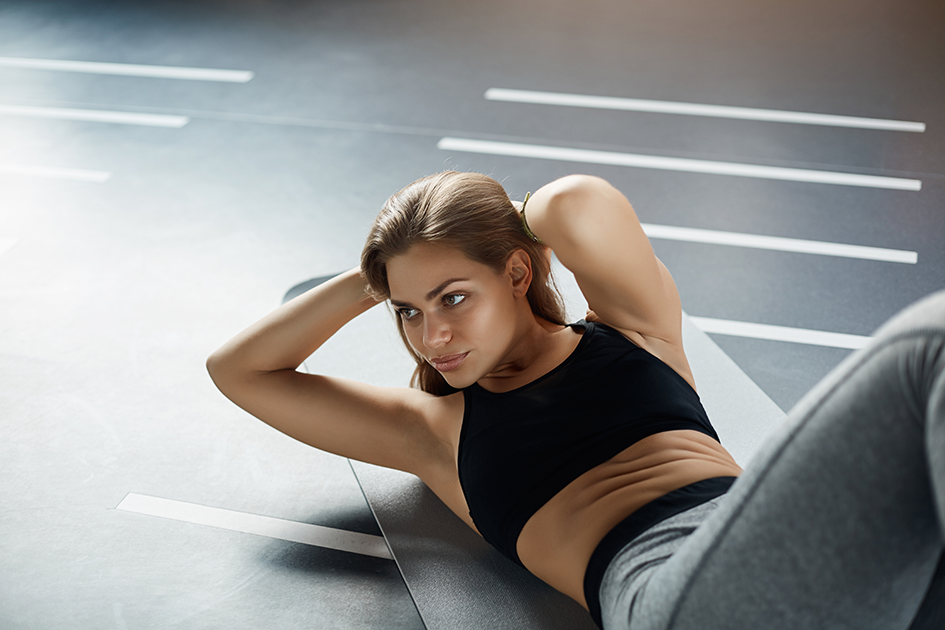
Photo by lookstudio on Magnific
What Does Low-Impact Exercise Mean?
Low-impact exercise refers to movement that generally places less force and stress on the joints than activities such as running, jumping, or high-intensity interval workouts.
That does not mean low-impact movement has little value. Depending on the activity and pace, it can support cardiovascular fitness, muscle strength, balance, mobility, and everyday function.
Walking, cycling, swimming, water exercise, and some forms of yoga and strength training are common low-impact options. The right activity depends on your body, health, fitness level, and what feels comfortable and sustainable for you.
Walking, cycling and swimming are recognized examples of activities that can be adapted for people who need joint-friendlier movement. Adults can also gain benefits from smaller amounts of activity while gradually building toward broader weekly guidelines.
1. Walking
Walking is one of the simplest and most accessible ways to become more active.
Depending on your pace, route, and fitness level, regular walks can support cardiovascular fitness, mobility, mood, and daily movement without requiring special equipment.
Start with a duration that feels manageable. Even a short walk counts, and you can gradually increase your time or pace as your body adapts.
If you’re trying to build healthier movement habits, you may also enjoy reading Simple Daily Movement Routine for Women: 10 Easy Ways to Feel Stronger and More Energized.
2. Swimming and Water Exercise
Swimming and water-based exercise can work many muscle groups while the water supports part of your body weight.
This can make movement feel more comfortable for women with joint sensitivity, stiffness, limited mobility, or discomfort during weight-bearing exercise.
You can swim at your own pace, walk through the water, or try a beginner water aerobics class.
3. Cycling
Cycling can support cardiovascular fitness while placing less impact on the joints than running or jumping.
You can use an outdoor bicycle, stationary bike, or recumbent bike depending on your balance, comfort, and experience.
Adjust the seat carefully and begin with light resistance. Poor positioning or too much resistance can still make the knees or hips uncomfortable.
4. Gentle Stretching and Mobility
Gentle stretching and mobility exercises can help your body feel less stiff after long periods of sitting or inactivity.
Focus on slow, comfortable movements for the shoulders, upper back, hips, legs, and ankles. Avoid forcing a stretch or pushing a joint beyond a comfortable range.
Stretching works especially well as part of a warm-up, cool-down, or short movement break during the day.
5. Low-Impact Strength Exercises
Strength training does not need to include heavy weights or difficult gym equipment.
Beginner-friendly options include:
- wall push-ups
- sit-to-stand exercises
- glute bridges
- resistance band rows
- supported squats
- standing side leg raises
Start with a comfortable range of motion and focus on controlled movement. A chair, wall, or countertop can provide additional support.
For another short beginner routine, read 10-Minute Daily Workout for Women (No Equipment Needed).
6. Gentle Yoga
Gentle yoga combines movement, breathing, balance, and body awareness.
Beginner or restorative sessions may help improve flexibility and create a calmer transition out of a stressful day.
Not every yoga pose is appropriate for every body. Skip positions that place uncomfortable pressure on your knees, wrists, back, or neck, and use modifications when needed.
7. Beginner Pilates
Pilates uses controlled movements that often focus on core strength, posture, stability, and coordination.
A beginner session can be low impact while still challenging the muscles. Start with basic movements and avoid advanced positions until you understand the technique.
If floor exercises are uncomfortable, look for standing, seated, or chair-based Pilates options.
8. Low-Impact Dancing
Dancing can be an enjoyable way to move without making exercise feel like another obligation.
Choose movements that keep you comfortable, avoid jumping, and allow you to control your pace. You can dance at home for one song, follow a beginner video, or join a low-impact dance class.
The best form of movement is often one you genuinely enjoy enough to repeat.
9. Seated Exercises
Seated exercises can be a useful starting point for women with limited mobility, low energy, balance concerns, or discomfort while standing.
Options include:
- seated marching
- ankle circles
- knee extensions
- seated arm raises
- resistance band rows
- gentle seated twists
A stable chair without wheels is usually the safest choice.
10. Tai Chi
Tai chi uses slow, controlled movements combined with breathing and balance.
It can be a gentle option for women who want to improve coordination, body awareness, and confidence with movement without using fast or forceful exercises.
Beginners can follow a qualified instructor, a local class, or a simple introductory routine designed for their current mobility level.
Consistency Matters More Than Intensity
A workout does not have to feel exhausting to count.
Small amounts of movement repeated consistently are often more realistic than intense routines that leave you sore, discouraged, or unable to continue.
For general health, adults are encouraged to work toward at least 150 minutes of moderate-intensity aerobic activity each week, along with muscle-strengthening activities on at least 2 days. But you do not need to begin there. Shorter sessions still count, and beginners can gradually build activity as their strength and confidence improve.
A Simple Low-Impact Weekly Plan
Here is one flexible way to organize low-impact movement throughout the week:
- Monday: 20-minute walk
- Tuesday: 15-minute strength routine
- Wednesday: gentle stretching or rest
- Thursday: cycling, swimming, or water exercise
- Friday: beginner Pilates or yoga
- Saturday: an easy walk, dancing, or tai chi
- Sunday: rest or light mobility
This is only an example. Adjust the duration, activity, and recovery days according to your schedule, health, and energy.
The goal is not to complete every session perfectly. The goal is to build a routine you can return to.
How to Exercise Safely
Low-impact exercise is generally joint-friendly, but every body and health situation is different.
Start slowly, use a comfortable range of motion, and increase the duration or difficulty gradually. Mild muscle effort can be normal, but sharp pain is a reason to stop and adjust the activity.
Stop exercising and seek appropriate medical advice if you experience chest pain, dizziness, faintness, an unusually fast or irregular heartbeat, or unusual or severe shortness of breath.
If you have a chronic health condition, significant joint pain, a recent injury or surgery, or uncertainty about which exercises are appropriate, speak with a healthcare professional or qualified physical therapist before beginning a new routine.
CDC recommends consulting a healthcare professional about suitable types and amounts of activity when chronic conditions or disabilities are involved. Chest discomfort, dizziness and unusual or extreme shortness of breath are warning signs to stop exercising and seek medical guidance.
Final Thoughts
Low-impact exercise is not a lesser form of movement.
Walking, swimming, cycling, strength exercises, yoga, Pilates, dancing, seated movement, and tai chi can all help you create a more active life without relying on exhausting workouts.
Choose one or two activities that feel comfortable and realistic. Start with a short session, pay attention to your body, and allow consistency to build gradually.
Movement should support your body, not punish it. The most useful routine is one that helps you feel capable, confident, and willing to return tomorrow.
Which low-impact exercise helps you feel stronger, calmer, or more energized?
Do you prefer gentle workouts like walking and stretching, or more structured routines?
Share your experience in the comments — your ideas may inspire other women too.