Pregnancy often comes with a long list of advice about what to eat, what not to eat, and what may or may not be safe for your baby.
Along with food choices, many women also have questions about changing pregnancy symptoms throughout each trimester.
For many women, this information can quickly become overwhelming.
This can be especially true when you’re already dealing with morning sickness and finding certain foods difficult to tolerate.
One person says soft cheese is dangerous. Another warns about fish. Someone else tells you to avoid caffeine entirely.
The good news is that most pregnancy nutrition recommendations are actually quite simple.
The goal is not to make you afraid of food. Instead, it’s about understanding which foods may increase the risk of foodborne illness, exposure to harmful bacteria, parasites, or excessive levels of certain substances such as mercury and alcohol.
Once you understand the reasons behind the recommendations, making safer choices becomes much easier.
In this guide, we’ll look at the most important foods and drinks to avoid during pregnancy, why they may pose risks, and safer alternatives that can help support a healthy pregnancy.
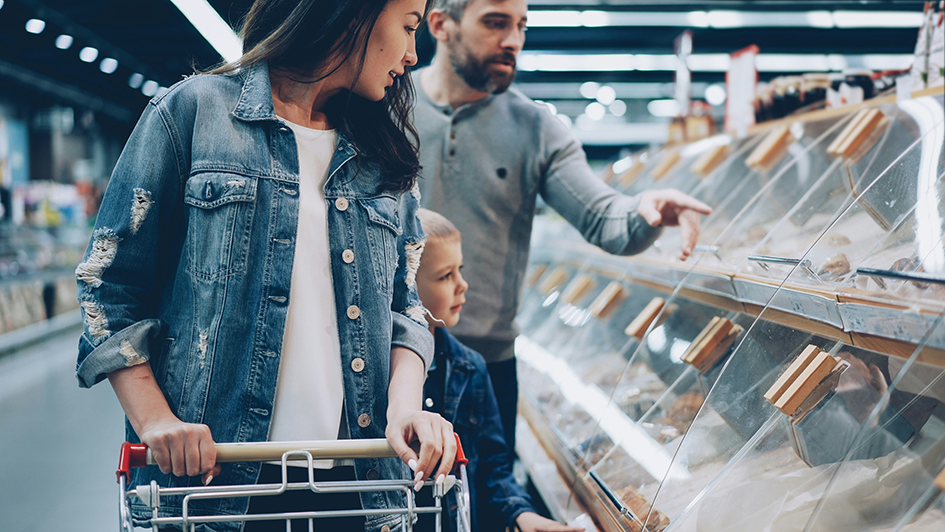
Image credit: Photo by Vitaly Gariev on Unsplash
Why Food Safety Matters More During Pregnancy
During pregnancy, your immune system naturally changes to support your growing baby.
While these changes are completely normal, they can make pregnant women more vulnerable to certain foodborne illnesses.
According to the CDC, infections caused by bacteria such as Listeria can be especially dangerous during pregnancy because they may increase the risk of miscarriage, stillbirth, premature birth, or serious illness in newborns.
Fortunately, most food-related risks can be reduced through simple precautions and informed food choices.
High-Mercury Fish
Fish is generally considered a healthy food during pregnancy.
It provides protein, omega-3 fatty acids, and nutrients that support your baby’s development. However, some fish contain high levels of mercury, a metal that may affect a baby’s developing brain and nervous system.
According to the FDA, pregnant women should avoid fish with the highest mercury levels.
Examples include:
- Shark
- Swordfish
- King mackerel
- Marlin
- Orange roughy
- Tilefish from the Gulf of Mexico
- Bigeye tuna
Safer Alternatives
Many fish remain excellent choices during pregnancy, including:
- Salmon
- Sardines
- Trout
- Herring
- Anchovies
- Pollock
- Cod
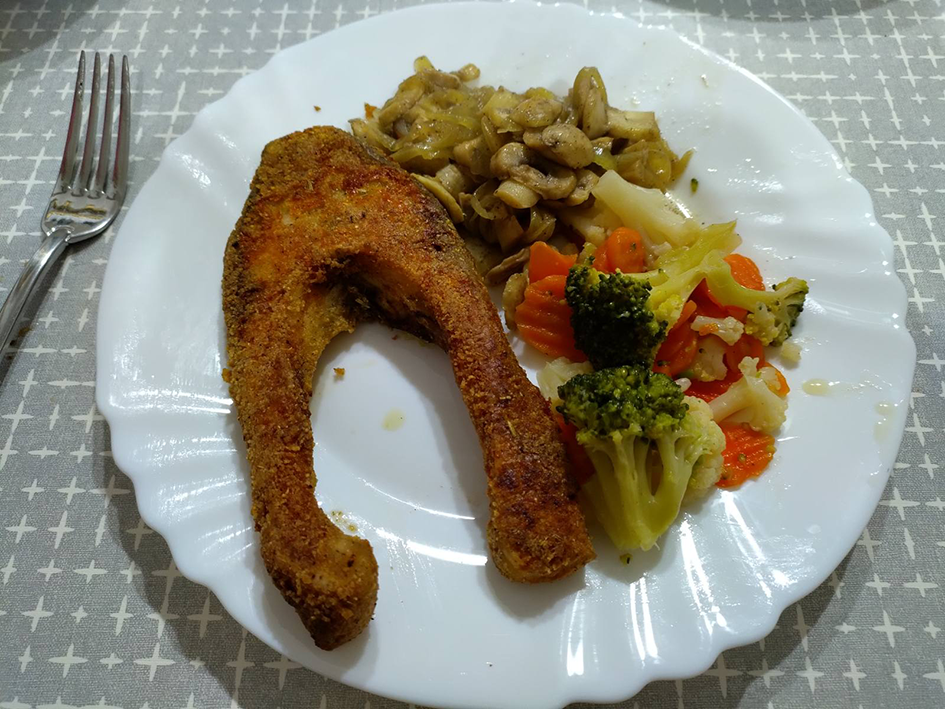
These options provide important nutrients while containing much lower mercury levels.
Raw Fish and Sushi
Many women wonder whether sushi is safe during pregnancy. The answer depends on the type of sushi.
Raw fish may contain bacteria or parasites that can increase the risk of foodborne illness. For this reason, most healthcare providers recommend avoiding sushi made with raw seafood during pregnancy.
However, cooked sushi options are generally considered safer.
Examples include:
- Cooked shrimp rolls
- California rolls
- Vegetable rolls
- Tempura rolls
If you’re craving sushi during pregnancy, choosing cooked versions is usually the safest approach.
Raw or Undercooked Meat
Undercooked meat may contain harmful bacteria and parasites.
Examples include:
- Rare steak
- Undercooked burgers
- Raw meat dishes
- Uncooked cured meats
These foods may increase the risk of infections that could affect both mother and baby.
When eating meat during pregnancy, it is safest to ensure it is thoroughly cooked to the recommended internal temperature.
Deli Meats and Hot Dogs
Deli meats often surprise expectant mothers because they are not usually considered risky foods. However, cold deli meats can occasionally contain Listeria.
According to the CDC, pregnant women are advised to heat deli meats and hot dogs until steaming hot before eating them.
This simple step can significantly reduce the risk of infection.
Examples include:
- Turkey slices
- Ham
- Salami
- Bologna
- Roast beef slices
Heating them thoroughly before consumption is generally recommended.
Raw Eggs
Raw or undercooked eggs may contain Salmonella bacteria.
Foods that sometimes contain raw eggs include:
- Homemade mayonnaise
- Homemade Caesar dressing
- Homemade hollandaise sauce
- Raw cookie dough
- Some desserts
Whenever possible, choose products made with pasteurized eggs. This can help reduce the risk of foodborne illness during pregnancy.
Unpasteurized Milk and Dairy Products
Pasteurization is a process that helps eliminate harmful bacteria from food.
Unpasteurized milk and dairy products may contain bacteria such as Listeria, Salmonella, and E. coli, which can pose serious risks during pregnancy.
For this reason, healthcare organizations generally recommend avoiding:
- Raw milk
- Unpasteurized yogurt
- Unpasteurized cream
- Products made from raw milk
Always check food labels if you’re unsure whether a product has been pasteurized.
Soft Cheeses Made from Unpasteurized Milk
Not all soft cheeses are unsafe during pregnancy. The concern is whether they are made from pasteurized or unpasteurized milk.
Soft cheeses that may pose a higher risk if made from unpasteurized milk include:
- Brie
- Camembert
- Feta
- Blue cheese
- Queso fresco
Many supermarket versions are made with pasteurized milk and are generally considered safer. Reading labels carefully can help you make informed choices.
Raw Sprouts
Raw sprouts may seem like a healthy option, but they can carry bacteria that are difficult to wash away completely.
Examples include:
- Alfalfa sprouts
- Clover sprouts
- Radish sprouts
- Mung bean sprouts
Because bacteria can grow inside the sprouts themselves, washing may not remove the risk. Cooking sprouts thoroughly is generally considered a safer option during pregnancy.
Raw or Undercooked Shellfish
Shellfish can provide valuable nutrients, but raw varieties may increase the risk of foodborne illness.
Examples include:
- Raw oysters
- Raw clams
- Raw mussels
- Raw scallops
Cooking shellfish thoroughly helps reduce potential risks. If you enjoy seafood during pregnancy, cooked options are usually the safest choice.
Alcohol During Pregnancy
Alcohol is one of the clearest foods and drinks to avoid during pregnancy.
According to major health organizations, there is no known safe amount of alcohol during pregnancy. Alcohol can pass directly from mother to baby through the placenta and may affect fetal development.
For this reason, experts recommend avoiding:
- Wine
- Beer
- Spirits
- Cocktails
- Any alcoholic beverages
If you have questions about alcohol exposure before you knew you were pregnant, discuss them with your healthcare provider.
How Much Caffeine Is Too Much?
Many women are relieved to learn that pregnancy does not necessarily require eliminating caffeine completely.
However, moderation is important. According to ACOG, most experts recommend limiting caffeine intake to approximately 200 milligrams per day during pregnancy.
This is roughly equivalent to:
- One 12-ounce cup of coffee
- Two smaller cups of coffee
- Several cups of tea, depending on the type
Keep in mind that caffeine may also be present in:
- Soft drinks
- Energy drinks
- Chocolate
- Some medications
Monitoring total daily intake can help you stay within recommended limits.
Liver and Excess Vitamin A
Liver is highly nutritious, but it also contains very large amounts of vitamin A.
While vitamin A is important for health, excessive amounts during pregnancy may be harmful.
This does not mean you must avoid all vitamin A-rich foods.
The concern is primarily frequent consumption of large amounts of liver or supplements containing high doses of preformed vitamin A.
If you take prenatal vitamins, always follow your healthcare provider’s recommendations.
Herbal Supplements and Herbal Teas
Many people assume that “natural” automatically means safe. Unfortunately, this is not always true during pregnancy.
Some herbal supplements have not been adequately studied in pregnant women. Certain herbs may affect hormone levels, blood pressure, or uterine activity.
This does not mean all herbal teas are unsafe, but it does mean that caution is appropriate.
Before regularly using herbal products during pregnancy, it is best to consult your healthcare provider.
Expert Insight
One of the most important things to remember is that pregnancy nutrition should not become a source of constant stress.
The purpose of food safety recommendations is not to make women fearful of eating. Instead, these guidelines help reduce preventable risks while supporting healthy fetal development.
According to ACOG, a healthy pregnancy diet focuses on nutrient-rich foods, variety, and balanced eating patterns rather than strict perfection.
A single imperfect meal is unlikely to define your pregnancy.
Consistency over time matters far more than occasional mistakes.
Research and Statistics
Foodborne illnesses are relatively uncommon, but pregnant women are more vulnerable to certain infections.
According to the CDC, pregnant women are about 10 times more likely to get a Listeria infection than the general population.
This increased vulnerability is one reason why food safety recommendations receive so much attention during pregnancy.
Fortunately, simple precautions can dramatically reduce these risks.
What Should You Eat Instead?
Instead of focusing only on restrictions, it can be helpful to focus on foods that support a healthy pregnancy.
Examples include:
- Fruits and vegetables
- Whole grains
- Lean protein sources
- Beans and legumes
- Eggs that are fully cooked
- Low-mercury fish
- Nuts and seeds
- Dairy products made with pasteurized milk
Building meals around these foods can help provide important nutrients for both mother and baby. A healthy pregnancy diet does not need to be complicated when you focus on simple, nutrient-rich foods.
Choosing healthy pregnancy snacks between meals may also help support steady energy levels throughout the day.
Frequently Asked Questions
Can I eat sushi during pregnancy?
Cooked sushi is generally considered safer than sushi made with raw fish.
Can I drink coffee while pregnant?
Most experts recommend limiting caffeine to about 200 mg per day.
Are all soft cheeses unsafe?
No. Many soft cheeses made from pasteurized milk are considered safe.
What fish should I avoid during pregnancy?
Fish with the highest mercury levels, such as shark, swordfish, king mackerel, and marlin, are generally not recommended.
Is one accidental food choice dangerous?
Most accidental exposures do not automatically cause harm. If you are concerned about a specific food, contact your healthcare provider for guidance.
Final Thoughts
Pregnancy nutrition does not have to be complicated.
While there are certain foods and drinks that are best avoided during pregnancy, the goal is not perfection.
The goal is making informed choices that help reduce unnecessary risks while supporting your health and your baby’s development.
Most recommendations focus on preventing foodborne illness, limiting exposure to harmful substances, and encouraging nutrient-rich foods.
By understanding the reasons behind these guidelines, you can feel more confident about your food choices throughout pregnancy.
If you’re looking for extra comfort as your pregnancy progresses, explore our guide to the best pregnancy pillows to compare supportive options that can help you sleep and rest more comfortably.
Did you find any pregnancy food recommendations confusing or surprising?
Share your experience in the comments below.
Your story may help another mom-to-be feel more confident about her choices.