

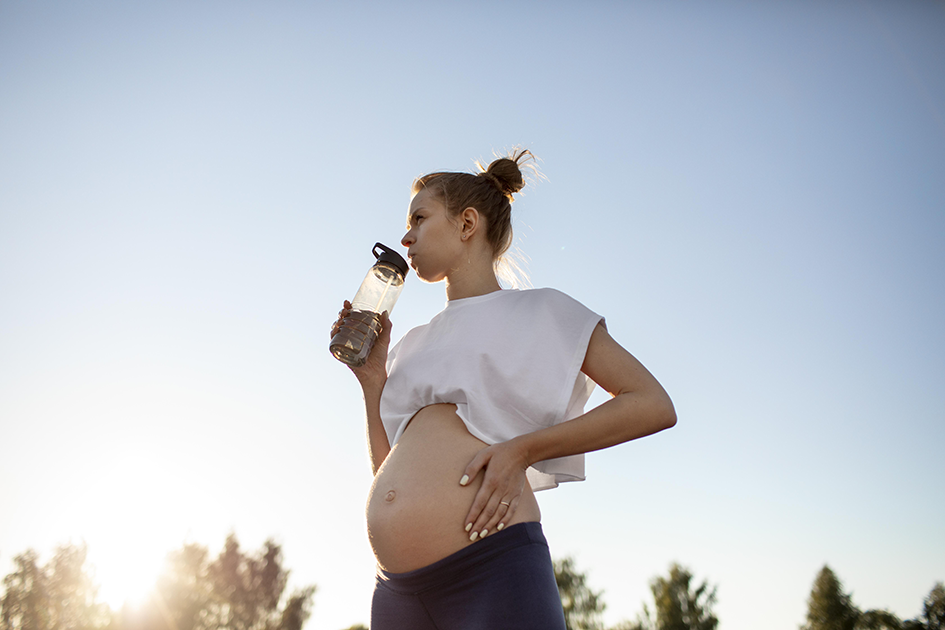
Pregnancy changes almost every system in your body. Your heart works harder, your blood volume increases, your kidneys process more fluid, and your growing baby depends on a steady supply of nutrients delivered through your circulation.
Because of these changes, staying hydrated becomes more important than ever.
Yet many pregnant women are unsure how much water they actually need.
Some rely on thirst alone. Others worry they are not drinking enough. And if you’re already dealing with nausea, fatigue, or frequent bathroom trips, drinking more water may feel like the last thing you want to do.
The good news is that hydration during pregnancy doesn’t have to be complicated.
Understanding why your body needs more fluids, how much water is generally recommended, and how to recognize signs of dehydration can help support both your health and your baby’s development.
Image credit: Photo by Freepik
Why Hydration Is So Important During Pregnancy
Water plays a role in nearly every important function during pregnancy. Your body uses water to help transport nutrients to your baby, regulate temperature, support digestion, and maintain healthy circulation.
Hydration also contributes to the production of amniotic fluid, the protective liquid that surrounds your baby throughout pregnancy.
As pregnancy progresses, your body’s fluid needs naturally increase. Blood volume expands significantly, helping deliver oxygen and nutrients to your growing baby.
At the same time, your kidneys work harder to remove waste products from both your body and your baby’s body.
Without adequate fluid intake, these important processes may become less efficient.
How Much Water Should You Drink During Pregnancy?
One of the most common questions expectant mothers ask is how much water they should drink each day.
According to the American College of Obstetricians and Gynecologists (ACOG): “During pregnancy you should drink 8 to 12 cups of water every day.”
This equals approximately:
- 64 to 96 ounces
- 1.9 to 2.8 liters
- 8 to 12 standard cups
It’s important to remember that this recommendation is a general guideline.
Some women may need more fluids depending on:
- Physical activity levels
- Hot weather
- Excessive sweating
- Vomiting from morning sickness
- Individual health needs
The goal is not to obsess over every sip of water but to maintain consistent hydration throughout the day.
Does Water Have to Be Plain?
Fortunately, hydration isn’t limited to plain water.
Although water remains the best choice for most women, fluids can also come from:
- Milk
- Herbal teas approved by your healthcare provider
- Sparkling water
- Soups
- Fruits with high water content
- Vegetables with high water content
Examples of hydrating foods include:
- Watermelon
- Strawberries
- Cucumbers
- Oranges
- Lettuce
- Celery

These foods can contribute to your overall fluid intake while also providing valuable nutrients.
Benefits of Staying Hydrated During Pregnancy
Hydration supports many aspects of maternal and fetal health.
Some benefits may be more noticeable than others.
May Help Reduce Constipation
Constipation is one of the most common pregnancy complaints.
Hormonal changes slow digestion, making bowel movements less frequent and sometimes uncomfortable.
Adequate water intake helps soften stool and supports healthy digestion.
Combined with fiber-rich foods, hydration may make constipation easier to manage.
May Support Healthy Energy Levels
Fatigue is common during pregnancy.
While tiredness has many causes, even mild dehydration can contribute to feelings of exhaustion.
Staying hydrated helps support circulation and overall body function, which may help you feel more energized throughout the day.
If you’re experiencing persistent tiredness, you may also enjoy reading about pregnancy fatigue and ways to manage it naturally.
May Help Reduce Headaches
Some pregnancy headaches may be linked to dehydration.
When fluid intake is low, the body may respond with headaches, dizziness, or lightheadedness.
Drinking water consistently throughout the day may help reduce this risk for some women.
Supports Amniotic Fluid Levels
Amniotic fluid plays an important role in protecting your baby.
While many factors influence amniotic fluid levels, maintaining healthy hydration supports your body’s ability to produce and maintain this important fluid.
Helps Regulate Body Temperature
Pregnancy naturally increases body temperature.
During warmer weather or physical activity, hydration becomes even more important for preventing overheating.
Drinking water regularly may help your body regulate temperature more effectively.
May Support Circulation
As blood volume increases during pregnancy, adequate hydration helps support healthy circulation.
This is important for delivering oxygen and nutrients throughout the body and to the developing baby.
Signs You May Not Be Drinking Enough Water
The body often provides warning signs when fluid intake becomes too low.
Some common symptoms of dehydration include:
- Feeling unusually thirsty
- Dry mouth
- Dark yellow urine
- Headaches
- Dizziness
- Fatigue
- Feeling overheated
- Constipation
One of the easiest ways to monitor hydration is by observing urine color.
Pale yellow urine generally indicates better hydration than dark yellow or amber-colored urine.
More Serious Signs of Dehydration
Mild dehydration is common and often easy to correct.
However, more severe dehydration requires prompt attention.
You should contact your healthcare provider if you experience:
- Very dark urine
- Inability to keep fluids down
- Rapid heartbeat
- Severe dizziness
- Confusion
- Extreme weakness
- Signs of overheating
Dehydration can sometimes become more serious when combined with persistent vomiting, diarrhea, illness, or exposure to high temperatures.
Seeking medical advice early can help prevent complications.
Can Dehydration Affect Pregnancy?
Hydration affects more than comfort.
It also plays a role in supporting normal pregnancy functions.
Severe dehydration may increase the likelihood of:
- Headaches
- Constipation
- Dizziness
- Overheating
- Reduced energy levels
Some women may also notice increased Braxton Hicks contractions when they are dehydrated.
These contractions are often temporary and may improve after drinking fluids and resting.
While occasional mild dehydration is common, staying consistently hydrated is one of the simplest ways to support overall pregnancy wellness.
Morning Sickness and Hydration
Hydration can become particularly challenging during the first trimester.
Women experiencing nausea and vomiting may find it difficult to drink enough fluids. Unfortunately, vomiting can also increase fluid loss, making dehydration more likely.
If you’re struggling with morning sickness, consider:
- Taking small sips throughout the day
- Drinking cold water instead of warm water
- Trying ice chips
- Eating water-rich fruits
- Using a straw if it feels easier
- Drinking between meals rather than during meals
If vomiting becomes severe or you are unable to keep fluids down, contact your healthcare provider.
Hydration During Each Trimester
Although hydration is important throughout pregnancy, your needs may feel different during each trimester.
First Trimester
During early pregnancy, nausea and food aversions can make drinking enough water more difficult. Focusing on small, frequent amounts of fluid may feel more manageable.
Second Trimester
Many women begin feeling better during the second trimester. Energy levels often improve, making it easier to establish healthy hydration habits. This is a good time to build a consistent daily routine.
Third Trimester
As your baby grows, fluid needs remain important. Frequent urination, warmer body temperature, and physical discomfort can make hydration feel more challenging. These are among the many common pregnancy symptoms that change throughout pregnancy.
Carrying a water bottle throughout the day may help maintain steady fluid intake.
10 Simple Ways to Drink More Water During Pregnancy
If you’re struggling to meet your hydration goals, these simple strategies may help.
1. Carry a Water Bottle Everywhere
Having water nearby makes it easier to sip consistently throughout the day.
2. Drink Water With Every Meal
Linking hydration to meals creates an easy routine.
3. Flavor Water Naturally
Adding slices of lemon, cucumber, orange, or berries may make water more enjoyable.
4. Eat More Water-Rich Foods
Foods such as watermelon, cucumber, strawberries, and oranges contribute to fluid intake. These foods can also be part of a healthy pregnancy nutrition plan.
5. Set Gentle Reminders
Phone reminders can help if you frequently forget to drink.
6. Use a Straw
Some women find drinking through a straw easier, especially during early pregnancy.
7. Start the Day With Water
Drinking a glass of water after waking up can help establish momentum for the day.
8. Keep Water Near Your Bed
This can be particularly helpful if you wake up thirsty during the night.
9. Choose Water Before Sugary Drinks
Water remains one of the best choices for supporting healthy hydration.
10. Track Your Intake if Needed
You do not need to become obsessive about counting every ounce. However, temporary tracking may help if you’re concerned about drinking enough.
Research and Statistics
A scientific review published in 2024 noted that pregnant women generally require approximately 3.0 liters of total daily water intake from both beverages and foods.
This recommendation includes fluid obtained from water-rich foods as well as beverages.
The exact amount needed varies from woman to woman, but the finding highlights the increased importance of hydration during pregnancy.
Frequently Asked Questions
Can I drink too much water during pregnancy?
Most women are far more likely to drink too little than too much.
However, excessively forcing fluids beyond your body’s needs is unnecessary.
Do tea and milk count toward hydration?
Yes.
Many beverages contribute to fluid intake, although water remains the preferred choice.
What color should my urine be?
Pale yellow urine is often considered a useful sign of adequate hydration.
Is sparkling water safe during pregnancy?
For most women, plain sparkling water is generally considered safe.
What if I don’t feel thirsty?
Some women do not experience strong thirst signals.
This is one reason why developing regular drinking habits can be helpful.
Final Thoughts
Staying hydrated during pregnancy is one of the simplest ways to support your health and your baby’s development. Water helps transport nutrients, supports circulation, assists digestion, and contributes to healthy amniotic fluid levels.
While exact needs vary, most women benefit from drinking fluids consistently throughout the day rather than waiting until they feel thirsty.
Small habits can make a big difference. Keeping water nearby, eating hydrating foods, and paying attention to signs of dehydration can help you stay on track throughout pregnancy.
If you’re looking for extra comfort as your pregnancy progresses, explore our guide to the best pregnancy pillows to compare supportive options that can help you sleep and rest more comfortably.
Did you find it easy or difficult to stay hydrated during pregnancy?
Share your experience or favorite hydration tip in the comments below.
Your advice may help another expecting mom feel her best.