Trying to eat more fiber can feel frustrating when your “healthier” breakfast leaves your stomach tight by lunchtime. You add oats, beans, fruit, and seeds, then wonder whether your usual meals were easier on your digestion.
High-fiber foods for women can support bowel regularity and make meals more satisfying. But the amount, food type, and pace of change all matter, especially if you already experience bloating.
This guide offers practical food choices and small starting portions, without promising that every option will suit every stomach.
For more meal ideas, explore our guide to foods that may help reduce bloating.
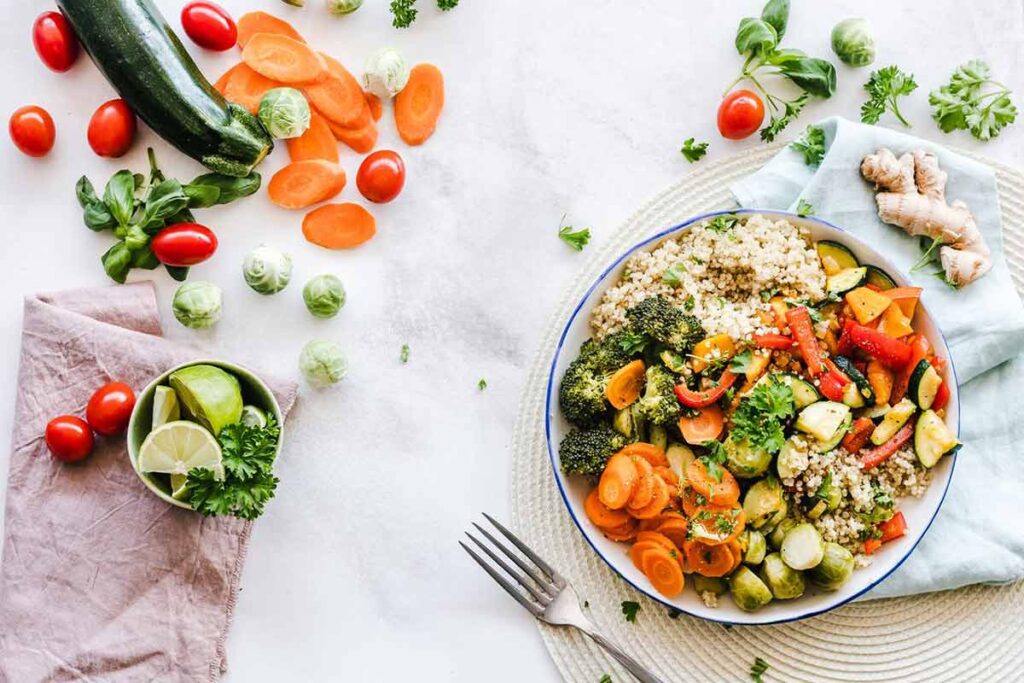
Photo by Vitaly Gariev on Unsplash
Why Fiber Matters for Women
Fiber is found in plant foods, including fruit, vegetables, whole grains, legumes, nuts, and seeds. Different types contribute to bowel regularity, stool consistency, and fullness.
As Harvard’s Nutrition Source explains, some fibers hold water, while others are fermented by gut bacteria. These benefits matter for adults generally; women do not need a special category of “female-friendly” fiber foods.
Why Fiber Can Cause Bloating
Gut bacteria produce gas when they ferment certain carbohydrates, including some types of fiber. A sudden increase can therefore leave you feeling more bloated.
However, speed is only part of the explanation. Food type, portion size, constipation, and digestive conditions can also affect how you feel.
Monash University explains that FODMAPs are poorly absorbed carbohydrates that can trigger symptoms in people with irritable bowel syndrome, or IBS. Some fiber-rich foods also contain FODMAPs, but the terms do not mean the same thing.
This is why adding fiber slowly may help without making every food comfortable for everyone.
How Much Fiber Do Women Need?
Mayo Clinic lists these daily fiber recommendations for adult women:
- Age 50 or younger: 25 grams.
- Older than 50: 21 grams.
These are general reference amounts. Pregnancy, breastfeeding, and medical conditions may require more individualized advice.
You do not need to reach the full amount immediately if your current intake is much lower.
The Gentle Fiber Rule: Add Slowly
Mayo Clinic advises: “Add fiber to your diet slowly over a few weeks.”
Begin with one small change, such as adding a little fruit to breakfast or a few spoonfuls of lentils to soup. Keep other meals familiar while you notice how that change feels.
Increase only when the current amount feels manageable. Worsening symptoms are a reason to reassess the portion or food choice.
Keep Fluids in the Picture
Water helps fiber contribute to softer stools that are easier to pass. Drink fluids regularly as you increase fiber, without forcing large amounts at once.
If you have been given a medical fluid restriction, follow your healthcare team’s advice.
10 High-Fiber Foods for Women to Try in Small Portions
Research dietitian Dr Jane Varney notes in Monash University’s fiber guidance that “too much fibre may increase symptoms for people with IBS”. She also explains that inadequate fiber can worsen constipation.
The examples below are small meal additions, not a prescribed low-FODMAP plan or complete daily fiber targets. Choose one that fits your usual meals.
| Food | A practical way to begin |
|---|---|
| Oats | Try a small bowl of porridge before adding several seed and fruit toppings. |
| Raspberries | Add a few berries to yogurt or cereal. Frozen berries are also convenient. |
| Kiwifruit | Try one kiwi as a snack or alongside breakfast. |
| Avocado | Add one or two slices to toast or a sandwich. |
| Lentils | Stir one or two tablespoons of cooked lentils into a familiar soup. |
| Beans or chickpeas | Try a small amount of drained, rinsed canned beans alongside your usual meal. |
| Chia seeds | Begin with a teaspoon mixed into overnight oats or another moist food. |
| Ground flaxseed | Stir a teaspoon into yogurt or porridge. |
| Sweet potatoes | Add a few spoonfuls of cooked sweet potato beside a familiar protein source. |
| Whole grains | Replace part of your usual white rice with brown rice or quinoa. |
Apples and pears also contain fiber, but they can trigger symptoms in some people with IBS. A softer texture alone does not tell you whether a food will agree with your digestion.
You do not need to avoid a whole food group because one portion caused discomfort. Consider the amount, other ingredients, and whether the same pattern keeps occurring.
If avocado suits your meals, our guide to avocado benefits for women offers more ways to use it.
Build Fiber Into Meals at Your Own Pace
A fixed seven-day schedule can encourage you to increase fiber before your digestion feels ready. Use a flexible sequence instead:
- Choose one addition. Add raspberries to your usual yogurt, for example.
- Keep the portion steady. Notice your comfort and bowel habits before changing anything else.
- Adjust your next step. Continue gradually if comfortable, or try a smaller portion or different food if symptoms increase.
A brief note about the food, portion, and symptoms may help you notice patterns. One uncomfortable meal does not establish a food intolerance.
Simple Meals Without Stacking Every Fiber Source
Try eggs with toast and a little avocado, rice with chicken or tofu and cooked vegetables, or yogurt with a small amount of berries.
Avoid turning one meal into a test of oats, beans, several seeds, and a large fruit portion at once. Familiar meals make it easier to judge what has changed.
For help combining foods, read how to build a balanced plate without counting calories.
When More Fiber Is Not the Next Step
Persistent bloating, abdominal pain, constipation, or diarrhea deserves assessment rather than repeated increases in fiber. Speak with a healthcare professional if symptoms continue or interfere with daily life.
Get prompt medical advice if symptoms include blood in your stool or ongoing diarrhea. If you have been prescribed a lower-fiber diet after bowel surgery or for a digestive condition, follow that advice.
Frequently Asked Questions
Do I need a low-FODMAP diet to eat more fiber?
Most people do not. For some people with diagnosed IBS, a clinician or dietitian may recommend a temporary trial followed by gradual reintroduction, as described in NIDDK’s dietary guidance for IBS.
The aim is to identify personal triggers while keeping the diet as varied as possible.
Why might a fiber bar cause gas?
Some bars contain concentrated added fibers, such as inulin or chicory root fiber, which can cause digestive symptoms in sensitive people. Check the ingredients and fiber per serving, particularly when introducing several fortified products together.
Can a fiber supplement replace fiber-rich foods?
A supplement may be useful for a specific need, but it does not provide the same variety of nutrients as whole foods. Ask a healthcare professional whether one is appropriate if food changes are not helping.
Final Thoughts
The most useful high-fiber foods for women are the ones that fit their meals and digestive tolerance. Start with one manageable addition, keep portions comfortable, and build gradually.
Persistent symptoms deserve attention rather than pressure to eat more fiber.
If smoothies suit your routine, our guide to the best blenders for smoothies can help you compare practical options for preparing them.
Do high-fiber foods ever make you feel bloated?
You are not alone — many women need to add fiber slowly before it starts to feel comfortable.
Share one fiber-rich food your body handles well, whether it is oats, berries, avocado, lentils, or something else.