You’re finally home after a busy day and your lower belly feels tight. When you have time to use the bathroom, you have to strain and still feel like you haven’t finished.
The next morning, you wonder whether it was something you ate or a change in your usual routine.
Constipation in women can have several causes, from medication changes to the way pelvic floor muscles work. Paying attention to how it started and what it feels like can help you decide which everyday steps to try and when to get help.
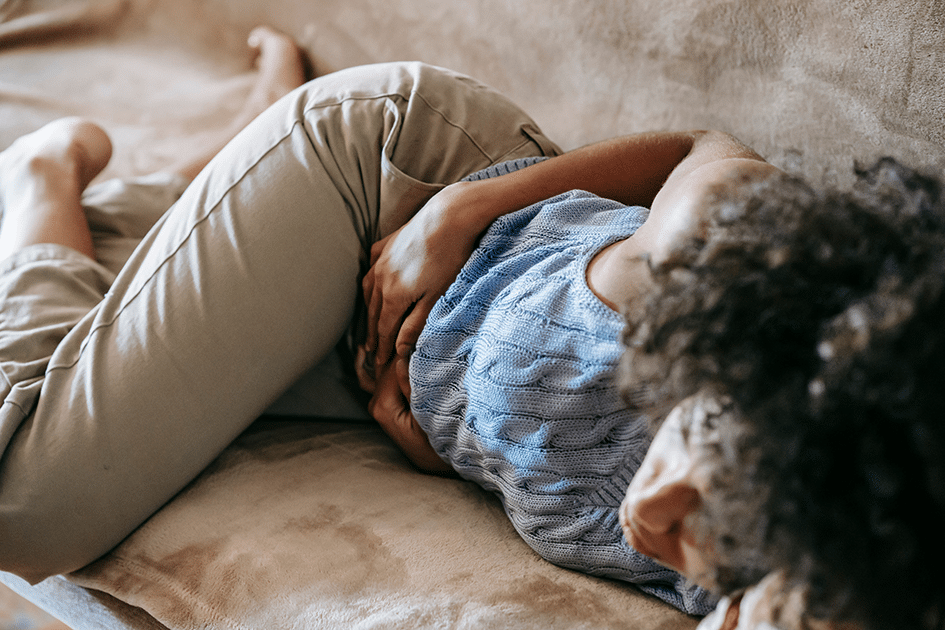
Photo by Sora Shimazaki on Pexels
In This Article
What Constipation Really Means
Constipation can mean fewer than three bowel movements a week, stools that are hard to pass, or a feeling that you haven’t fully emptied. How much effort it takes can tell you as much as how often you go.
Why Constipation Is So Common in Women
Some women notice constipation at the same point in their menstrual cycle. It’s also more common during pregnancy and after childbirth. If you’ve noticed a change later in life, read about how digestion changes with age.
Donald Ford, MD, MBA, a family medicine physician at Cleveland Clinic, explains how progesterone can play a role.
Progesterone typically promotes constipation, which tends to come around ovulation or a couple of days after.
Medications, Supplements, and Health Conditions Can Play a Role
Iron supplements, opioid pain medicines, and some antidepressants can contribute to constipation. An underactive thyroid or problems with pelvic floor coordination can also play a role. If symptoms started after a medication change, ask your healthcare professional or pharmacist before changing the dose.
Can Probiotics Help With Constipation?
Some probiotic supplements may help adults with chronic constipation have more frequent bowel movements. The British Dietetic Association notes that the evidence varies across products and that it’s unclear which strains help with overall symptoms. Our guide to probiotic labels explains what to look for if you’re comparing supplements.
Natural Ways to Support Constipation Relief
Add fiber gradually. Try one food at a time, such as oats, beans, or cooked vegetables, and drink enough fluids as you increase fiber. Our guide to foods that support gut health has more meal ideas.
Regular physical activity may help with constipation. If you spend much of the day sitting, a short walk is one way to add movement. Use the bathroom when you feel the urge, and give yourself a few unhurried minutes after breakfast if that fits your routine.
Try This Today
The next time you sit down for a bowel movement, rest your feet on a low, sturdy footstool so your knees sit slightly higher than your hips. Lean forward a little and let your belly relax.
When to Talk to a Doctor
Get medical help right away if constipation comes with blood in your stool, black and tarry stools, constant abdominal pain, vomiting, fever, inability to pass gas, or unexplained weight loss.
If constipation keeps coming back or doesn’t improve with self-care, make an appointment to discuss what might be causing it.
Frequently Asked Questions
Can prunes help with constipation?
Prunes may help some adults with chronic constipation. In a four-week study, people who ate prunes had more complete bowel movements per week than they had before the study. If you try prunes, start with a small serving and see how you feel.
Why do I still strain when my stool is soft?
Your pelvic floor muscles need to relax as you pass stool. If you often strain or feel blocked even when your stool is soft, ask a healthcare professional whether pelvic floor testing makes sense. If testing shows a coordination problem, biofeedback may help retrain those muscles.
Final Thoughts
Start with a habit you can fit into your day. If constipation keeps coming back, tell your healthcare professional what you’ve noticed and what you’ve already tried.
Constipation can be hard to talk about.
Share what you’ve noticed in the comments.
Which habit, if any, helped you feel more comfortable?