

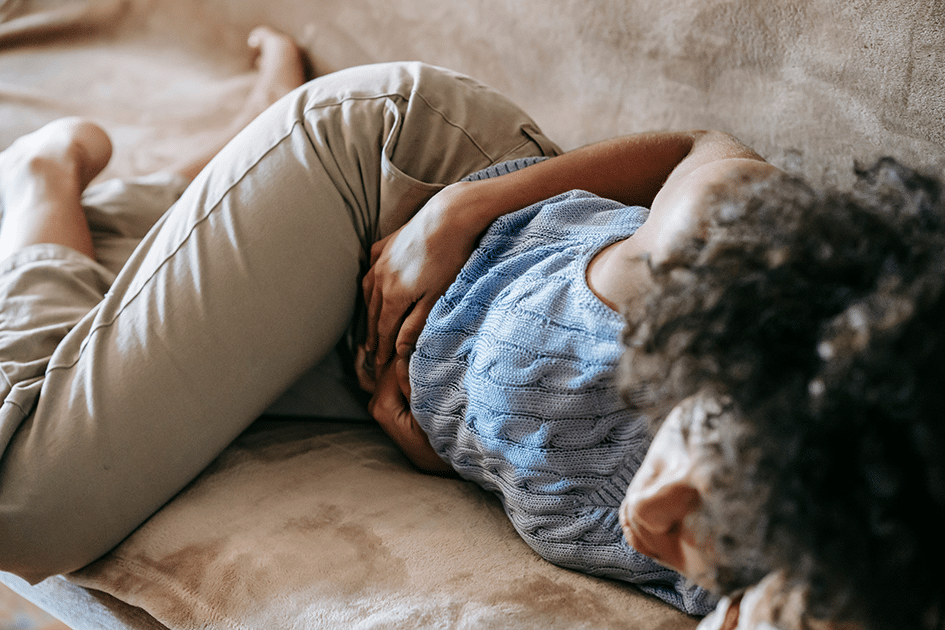
Constipation is one of those problems many women experience, but few enjoy talking about.
It can feel uncomfortable, frustrating, and sometimes even embarrassing. You may feel bloated after meals, heavy in your lower belly, or like your body is not moving the way it should. Some days, it may simply feel like your digestion has slowed down and nothing is helping quickly enough.
The difficult part is that constipation does not always have one simple cause.
Sometimes it is linked to food. Sometimes it has more to do with hydration, stress, hormones, daily movement, medications, or changes in routine. For many women, it is not one thing, but a combination of several small things happening at the same time.
That is why the most helpful approach is usually not extreme.
Instead of forcing your body into strict rules, it may be more useful to understand what could be slowing digestion down — and then support your body with gentle, realistic habits.
If constipation is part of a bigger pattern of digestive discomfort, you may also find it helpful to read Signs Your Gut Is Unhealthy and How to Fix It Naturally.
Image credit: Photo by Sora Shimazaki on Pexels
What Constipation Really Means
Constipation is often described as having fewer bowel movements than usual, but the experience can look different from woman to woman.
For one person, it may mean going several days without a bowel movement. For another, it may mean going regularly but still feeling like the bowel movement is difficult, incomplete, or uncomfortable.
The important thing is to know what is normal for your own body.
Some women naturally go more often. Others go less often and still feel perfectly fine. Constipation becomes more concerning when your usual rhythm changes, stools become hard or painful to pass, or discomfort starts affecting your daily life.
Occasional constipation can happen to almost anyone. Chronic or persistent constipation, however, deserves more attention.
Why Constipation Is So Common in Women
Women may experience constipation for several reasons, and hormones are often part of the picture.
Many women notice digestive changes around their menstrual cycle. For example, constipation may become more noticeable after ovulation or before a period. Pregnancy, postpartum changes, perimenopause, and menopause may also affect digestion in different ways.
This does not mean every case of constipation is hormonal. But it does mean women’s digestion is often influenced by more than food alone.
Expert Insight
“Progesterone typically promotes constipation, which tends to come around ovulation or a couple of days after,” says Donald Ford, MD, MBA, family medicine physician at Cleveland Clinic.
Source: Cleveland Clinic
This is one reason constipation can feel confusing. A woman may eat the same foods she usually eats, drink the same amount of water, and still notice that digestion feels slower during certain parts of the month.
Hormones are not the only factor, though. Pelvic floor function, stress, sleep, medications, daily movement, and digestive conditions such as IBS can also play a role.
If you have noticed more bloating or slower digestion with age, you may also want to read Why Your Digestion Changes With Age.
Not Enough Fiber — Or Too Much Too Quickly
Fiber is one of the most important nutrients for regular digestion.
It helps add bulk to stool, supports bowel movement rhythm, and feeds beneficial gut bacteria. Many women simply do not get enough fiber from daily meals, especially if the diet is low in vegetables, fruits, beans, lentils, oats, seeds, and whole grains.
But there is another side to the story.
More fiber is not always better immediately.
If you suddenly go from a low-fiber diet to large amounts of beans, raw vegetables, chia seeds, or fiber supplements, your digestion may feel worse before it feels better. Gas, bloating, and pressure can happen when the gut needs time to adjust.
A gentler approach is usually better.
Try adding fiber gradually. Start with foods that feel easy on your body, such as oatmeal, berries, cooked vegetables, or ground flaxseed. Drink enough water alongside fiber, because fiber needs fluid to move comfortably through the digestive system.
If you are looking for gentle food ideas, read 10 Foods That Improve Gut Health Naturally.
Hydration Matters More Than Many Women Realize
It is easy to underestimate hydration.
Many women drink coffee in the morning, sip a little water during the day, and only realize later that they have not truly hydrated. When the body does not get enough fluid, stool may become harder and more difficult to pass.
This does not mean you need to drink huge amounts of water all at once.
For most women, the goal is more consistent hydration throughout the day. A glass of water in the morning, water with meals, herbal tea in the evening, or water-rich foods like cucumbers, oranges, berries, and soups may all help support a softer, more comfortable digestive rhythm.
Some women also notice that warm drinks in the morning feel supportive. Warm water, tea, or a simple morning routine may help the body ease into the day.
You can also connect this habit with 7 Morning Habits for Better Digestion.
Low Daily Movement Can Slow Things Down
The digestive system responds to movement.
When the body sits for long periods, digestion may feel slower too. This is especially common for women who work at a desk, commute often, spend long hours caring for others, or feel too tired to exercise regularly.
The good news is that movement does not have to be intense.
A walk after breakfast or dinner, gentle stretching, light yoga, or even standing up more often during the day may help support bowel movement regularity. The goal is not to burn calories or push harder. It is simply to help the body move, breathe, and stimulate digestion naturally.
For many women, a 10-minute walk after a meal is more realistic than a complicated workout plan — and more sustainable over time.
Stress Can Affect Your Gut Rhythm
Stress can change digestion in very real ways.
Some women get diarrhea when they are anxious. Others become constipated. Some experience both at different times, depending on what is happening in their body and life.
When stress is high, the nervous system may shift away from relaxed digestion. You may eat faster, drink less water, sleep poorly, skip movement, or reach for foods that do not feel good later. Over time, this can make constipation more likely.
This is why constipation is not always only a food problem.
Sometimes the body needs calm as much as it needs fiber.
Creating a slower evening routine, taking a few deep breaths before meals, journaling, walking, or making time for rest may support digestion in a quiet but meaningful way.
If stress seems to affect your gut, read How Stress Affects Your Gut Health and What You Can Do About It.
Ignoring the Urge Can Make Constipation Worse
Many women ignore the urge to go because life is busy.
Maybe you are at work. Maybe you are taking care of children. Maybe you do not feel comfortable using a bathroom outside your home. Maybe you simply tell yourself you will go later.
But when the urge is repeatedly ignored, the body may become less responsive over time. Stool may sit longer in the colon, lose more water, and become harder to pass.
This is one of those small habits that can quietly make a big difference.
When possible, try not to rush or suppress your body’s natural signals. Some women find it helpful to create a relaxed bathroom routine in the morning, especially after breakfast, when digestion often becomes more active.
No pressure. No forcing. Just giving the body a calm opportunity.
Certain Foods May Trigger Bloating Alongside Constipation
Constipation and bloating often appear together.
When stool moves slowly, gas can build up and the belly may feel tight or uncomfortable. But certain foods may also make the sensation worse for some women.
Highly processed foods, large amounts of dairy, fried meals, carbonated drinks, or sudden increases in fiber can all contribute to digestive discomfort in certain people.
That does not mean every woman needs to avoid these foods completely.
A more balanced approach is to notice patterns.
If the same food repeatedly leaves you feeling bloated, heavy, or constipated, it may be worth adjusting the portion, frequency, or timing. Sometimes a food that bothers you at night feels fine earlier in the day. Sometimes cooked vegetables feel better than raw ones. Sometimes the problem is not the food itself, but the amount.
Food awareness is more useful than food fear.
For more on this, read 7 Foods That Can Trigger Bloating in Women.
Medications, Supplements, and Health Conditions Can Play a Role
This is an important point that often gets overlooked.
Constipation is not always caused by diet or lifestyle. Some medications and supplements may contribute to slower bowel movements. Iron supplements, some pain medications, certain antidepressants, calcium supplements, and other medications may affect digestion in some people.
Health conditions can also play a role.
Thyroid problems, diabetes, IBS, pelvic floor dysfunction, and other medical issues may contribute to constipation. This is why persistent constipation should not be dismissed as something you must simply fix with more fiber.
Sometimes, the most supportive thing you can do is talk with a healthcare provider and look for the underlying reason.
Expert Insight
“Many patients delay care because symptoms feel embarrassing or because they don’t feel heard,” says Taneisha Grant, MD, Yale Medicine gastroenterologist.
Source: Yale Medicine
This matters because constipation is common, but that does not mean every case should be ignored. If symptoms are ongoing, painful, or new for your body, it is worth getting proper support.
Can Probiotics Help With Constipation?
Some women wonder whether probiotics can help with constipation.
The honest answer is: maybe, but not always.
Probiotics may support gut balance for some people, but they are not a guaranteed solution. Different probiotic strains work differently, and what helps one person may do very little for another.
For some women, probiotics may be one part of a broader routine. For others, hydration, fiber, movement, and stress management may make a bigger difference.
If you are considering a probiotic, it helps to keep expectations realistic. Start slowly, pay attention to your body, and talk to a healthcare provider if you have a medical condition, are pregnant, take medication, or have ongoing digestive symptoms.
You may also find this beginner-friendly guide helpful: Best Probiotics for Women’s Gut Health.
Natural Ways to Support Constipation Relief
Gentle constipation support usually starts with the basics.
Instead of trying everything at once, choose one or two habits and give your body time to respond.
You might begin by drinking water more consistently, adding a small amount of fiber-rich food to breakfast, walking after dinner, or creating a calmer morning bathroom routine. These changes may seem simple, but digestion often responds better to consistency than intensity.
Some women also find that warm drinks, oatmeal, chia pudding, prunes, cooked vegetables, soups, and light movement help support regularity. Others may need more individualized guidance, especially if constipation is chronic or linked to a medical condition.
The goal is not to force your body.
The goal is to support it.
If evenings are when digestion feels most uncomfortable, you may also enjoy Simple Evening Habits for Better Digestion and Gut Health.
When to Talk to a Doctor
Most occasional constipation is not an emergency, but some symptoms should not be ignored.
According to the National Institute of Diabetes and Digestive and Kidney Diseases (NIDDK), you should see a doctor right away if constipation comes with symptoms such as blood in the stool, constant abdominal pain, vomiting, fever, inability to pass gas, or unexplained weight loss.
Talk to a healthcare provider if constipation is new, persistent, painful, or does not improve with gentle self-care.
You should seek medical advice more quickly if you notice blood in your stool, unexplained weight loss, severe abdominal pain, vomiting, fever, black or tarry stool, inability to pass gas, or a major change in bowel habits.
It is also worth getting help if constipation is affecting your daily comfort, mood, appetite, or quality of life.
You do not have to wait until symptoms feel severe before asking for support.
Final Thoughts
Constipation in women is common, but that does not make it simple.
It can be connected to fiber, hydration, movement, stress, hormones, medications, pelvic floor function, or health conditions. Sometimes the cause is obvious. Other times, it takes patience to understand what your body is trying to tell you.
The most helpful path is usually gentle and realistic.
Drink enough water. Add fiber slowly. Move your body. Respect your body’s signals. Notice patterns. Manage stress where you can. And do not hesitate to seek help if symptoms feel unusual or persistent.
Your digestion does not need perfection.
It needs support, consistency, and care.
If you’re considering digestive enzyme supplements to support your digestive health, explore our guide to the best digestive enzymes for women to compare trusted options and learn what to look for before choosing one.
Have you struggled with constipation or slower digestion?
What gentle habits have helped you feel more comfortable and supported?
Share your experience in the comments — your story may help other women feel less alone in their gut health journey.