

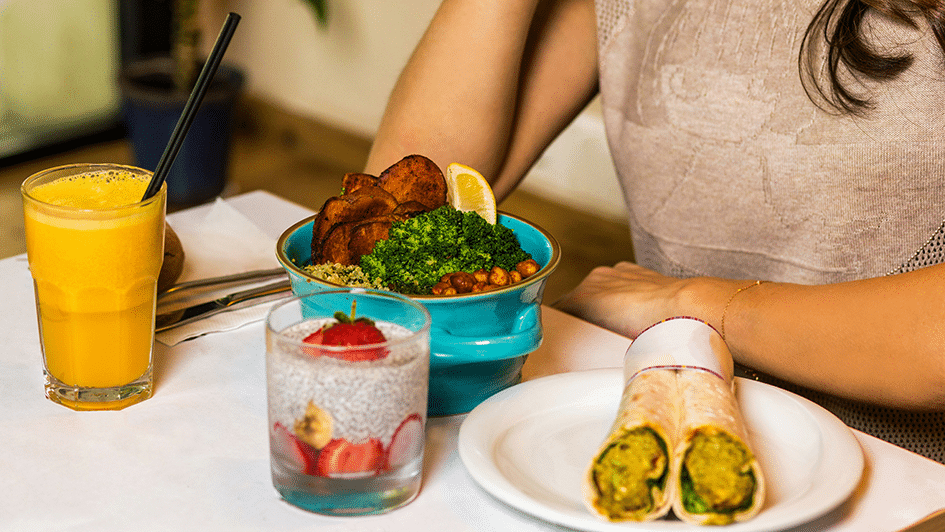
It can feel confusing when you are eating “healthy” but still feel bloated.
You may be choosing salads, oatmeal, beans, yogurt, fruit, smoothies, and plenty of vegetables — yet your stomach still feels tight, heavy, or uncomfortable after meals.
For many women, this can be frustrating.
It may even feel unfair. You are trying to take care of your body, but your digestion does not seem to cooperate.
The truth is that healthy foods can still cause bloating in some people, especially when digestion is sensitive, fiber increases too quickly, stress is high, or the body is going through hormonal changes.
This does not mean healthy eating is bad for your gut.
It simply means that your body may need a more personalized approach.
If bloating is something you deal with often, you may also find it helpful to read How to Reduce Bloating Fast at Home.
Image credit: Photo by Farhad Ibrahimzade on Unsplash
Healthy Food Can Still Be Hard to Digest
One of the biggest misunderstandings about bloating is the idea that only “unhealthy” foods cause it.
In real life, many gut-friendly foods can also feel uncomfortable at first.
Beans, lentils, broccoli, cabbage, onions, apples, whole grains, chia seeds, and large salads are all nutritious foods. They can support fiber intake, gut bacteria, and overall wellness. But they can also create gas and bloating in certain people, especially when eaten in large amounts or introduced too quickly.
That does not make them bad foods.
It simply means your digestive system may need time, balance, and smaller steps.
For example, a woman who rarely eats beans may feel bloated after suddenly adding a large bean salad to lunch. Someone who starts adding chia seeds, raw vegetables, and high-fiber cereal all in the same week may feel worse before she feels better.
Healthy eating is not just about what you eat.
It is also about how much, how often, how fast, and how your body responds.
Too Much Fiber Too Quickly Can Backfire
Fiber is important for digestion.
It helps support regular bowel movements, feeds beneficial gut bacteria, and may help you feel fuller for longer. But if you suddenly increase fiber without giving your body time to adjust, bloating can become more noticeable.
This is especially common when women decide to “clean up” their diet quickly.
One week may include more vegetables, more oats, more beans, more flaxseed, more smoothies, and more whole grains. On paper, that looks healthy. In the body, it can feel like too much at once.
A better approach is usually slower.
Try adding one fiber-rich food at a time. Drink enough water. Notice how your body feels. Cooked vegetables may feel gentler than raw ones. A small portion of lentils may feel better than a large serving. Ground flaxseed may feel easier than large amounts of chia seeds.
Mayo Clinic notes that adding too much fiber too quickly can lead to gas, cramping, and bloating, and recommends increasing fiber gradually while drinking enough fluids.
If you want gentle food ideas, read 10 Foods That Improve Gut Health Naturally.
Raw Foods Are Healthy, But Not Always Gentle
Raw salads, green smoothies, and crunchy vegetables often look like the perfect wellness meal.
And for some women, they feel great.
For others, too much raw food can feel difficult to digest. A large bowl of raw cabbage, kale, broccoli, carrots, and onions may provide nutrients, but it may also create gas, pressure, or bloating if your gut is sensitive.
This does not mean you need to avoid vegetables.
It may simply help to prepare them differently.
Steamed, roasted, sautéed, or soup-based vegetables may feel easier for some women. Warm foods may also feel more soothing than cold meals, especially in the evening.
This is where a more human approach to nutrition matters.
A salad is not automatically better than a warm bowl of soup. A smoothie is not automatically better than oatmeal. The “healthiest” choice is often the one your body can digest comfortably and consistently.
Stress Can Make Even Healthy Meals Feel Heavy
Bloating is not only about food.
Stress can change how digestion feels.
Many women notice this without always connecting the dots. A meal that feels fine on a calm weekend may feel heavy and uncomfortable during a stressful workday. Eating while rushing, scrolling, worrying, or multitasking can also affect how the body processes food.
Your nervous system and digestive system are closely connected.
When stress is high, your body may not be in the best state for calm digestion. You may swallow more air, eat faster, chew less, crave different foods, or feel more sensitive to normal digestive sensations.
Expert Insight
“People always assume food is behind GI issues, but chronic stress or even being in a stressful situation can trigger stress hormone release that affects your gut health,” reports Dr. Christine Lee, gastroenterologist at Cleveland Clinic.
This is why two women can eat the same meal and feel completely different afterward. It is also why the same woman may react differently to the same food depending on stress, sleep, hormones, and timing.
If stress seems to affect your digestion, read How Stress Affects Your Gut Health and What You Can Do About It.
Eating Too Fast Can Lead to More Bloating
Even a balanced meal can cause bloating if it is eaten too quickly.
When you rush through meals, you may swallow extra air. You may also chew less, which means your digestive system has to work harder later. Eating quickly can also make it easier to miss fullness cues and eat more than your body comfortably needs.
Many women do not eat fast because they want to.
They eat fast because life is busy.
Work deadlines, children, errands, stress, and short lunch breaks can make slow meals feel like a luxury. But even small changes can help.
Try taking a few breaths before eating. Put your fork down between bites. Chew more slowly. Step away from your phone for the first few minutes of a meal.
These changes sound simple, but they can make meals feel calmer and digestion feel more supported.
“Healthy” Packaged Foods Can Still Cause Discomfort
Not every food with a wellness label is easy on digestion.
Protein bars, low-sugar snacks, “keto” desserts, fiber-added cereals, sugar-free drinks, and diet products may contain ingredients that bother some people. Artificial sweeteners, sugar alcohols, added fibers, gums, and highly processed ingredients can sometimes contribute to gas or bloating.
This is one reason a woman may feel confused.
She may think she is choosing the healthier option, but her digestion may not agree.
This does not mean every packaged health food is bad. Some can be useful, especially on busy days. But if bloating seems worse after certain “healthy” snacks, it may be worth checking the ingredient list and noticing patterns.
Sometimes a simple snack — yogurt with berries, fruit with peanut butter, oatmeal, boiled eggs, or a handful of nuts — may feel better than a highly processed wellness product.
If you want to explore common trigger foods, you may find 7 Foods That Can Trigger Bloating in Women helpful.
FODMAPs May Be Part of the Story
Some healthy foods contain short-chain carbohydrates called FODMAPs.
In sensitive individuals, these carbohydrates may be poorly absorbed and can contribute to bloating, gas, abdominal discomfort, diarrhea, or constipation. Foods like onions, garlic, apples, wheat, beans, lentils, milk, and some vegetables can be high in FODMAPs.
This does not mean everyone should avoid them.
In fact, many high-FODMAP foods are nutritious. The goal is not to fear food or cut out entire food groups without reason.
But for women with ongoing bloating, IBS, or strong food-related symptoms, FODMAP sensitivity may be worth discussing with a healthcare provider or registered dietitian.
Expert Insight
“The low FODMAP diet is a temporary eating plan that’s very restrictive,” says Johns Hopkins gastroenterologist Hazel Galon Veloso, M.D. “It’s always good to talk to your doctor before starting a new diet.”
This is an important nuance.
A low-FODMAP approach may help some people identify food triggers, but it is not meant to be a forever diet or a casual wellness trend. It is best used as a short-term discovery process with guidance.
Hormones Can Make Bloating More Noticeable
For many women, bloating changes throughout the month.
Some feel more bloated before their period. Others notice digestive changes around ovulation. Perimenopause and menopause may also affect how digestion feels, especially when sleep, stress, and hormone fluctuations are part of the picture.
This can make food reactions harder to understand.
A meal that feels fine one week may feel uncomfortable the next. The food may not be the only reason. Hormones, water retention, gut motility, cravings, and stress can all play a role.
This is why it helps to track patterns gently, without becoming obsessive.
You might notice bloating happens more often:
- before your period
- after stressful days
- when you sleep poorly
- after large raw meals
- after carbonated drinks
- when you eat quickly
- after increasing fiber too fast
The goal is not to control every bite.
The goal is to understand your body with more kindness.
If digestion feels different as you get older, you may also enjoy Why Your Digestion Changes With Age.
Constipation Can Make Healthy Eating Feel Uncomfortable
Sometimes bloating is less about the last meal and more about what is already happening in the digestive system.
If bowel movements are slow or incomplete, gas and pressure may build up. In that case, adding more fiber too quickly may sometimes make bloating feel worse, especially without enough water.
This is another reason constipation and bloating often appear together.
A woman may be eating vegetables and whole grains, but if hydration, movement, and bowel rhythm are off, she may still feel uncomfortable.
Gentle support can help.
Consistent water intake, cooked fiber-rich foods, light movement, warm drinks, and calmer meal timing may all support a more comfortable rhythm.
For more on this topic, read Constipation in Women: Common Causes and Natural Ways to Find Relief.
Probiotics May Help Some Women, But They Are Not a Magic Fix
Probiotics are often marketed as the answer to bloating.
For some women, they may help. For others, the difference may be small or unclear. Some may even feel more gas or bloating at first, depending on the product and their individual gut response.
This is why it is helpful to keep expectations realistic.
A probiotic cannot replace sleep, hydration, fiber balance, stress support, and regular movement. It may be one tool, but it is not the whole solution.
If you are considering a probiotic, pay attention to how your body responds and talk with a healthcare provider if you have ongoing digestive symptoms, a medical condition, or take medication.
You may also find Best Probiotics for Women’s Gut Health useful as a beginner-friendly guide.
When Bloating Should Be Checked
Most occasional bloating is not dangerous.
But ongoing or severe bloating should not be ignored, especially if it feels new for your body or comes with other symptoms.
Talk to a healthcare provider if bloating is persistent, painful, worsening, or connected with unexplained weight loss, blood in the stool, vomiting, fever, severe constipation, difficulty swallowing, or major changes in bowel habits.
You know your body better than anyone.
If something feels unusual, it is always better to ask than to keep guessing.
What May Help If You Eat Healthy but Still Feel Bloated
The answer is not always to eat “cleaner.”
Sometimes the answer is to eat more gently.
Try noticing whether cooked foods feel better than raw foods. Add fiber gradually instead of all at once. Drink more water when increasing fiber. Eat more slowly. Reduce carbonated drinks if they bother you. Pay attention to stress and sleep. Notice whether certain foods cause symptoms repeatedly, rather than blaming every healthy food.
For some women, smaller meals feel better than large ones.
For others, warm meals feel better than cold smoothies or salads. Some may need medical guidance, especially if symptoms are persistent or strongly affect daily life.
There is no perfect gut-health formula.
Your body may simply be asking for a rhythm that feels more supportive.
Final Thoughts
Feeling bloated even when you eat healthy can be frustrating, but it does not mean you are doing everything wrong.
It may mean your body needs time to adjust, more hydration, gentler fiber, slower meals, less stress around eating, or a closer look at personal food triggers.
Healthy eating should not feel like punishment.
It should help you feel nourished, supported, and more comfortable in your body.
The best gut-health approach is usually not the strictest one.
It is the one you can live with — and the one your body can actually digest.
If you’re considering digestive enzyme supplements to support your digestive health, explore our guide to the best digestive enzymes for women to compare trusted options and learn what to look for before choosing one.
Have you ever felt bloated even when you were eating healthy?
Which foods or habits seem to affect your digestion the most?
Share your experience in the comments — your story may help other women feel less confused about their gut health journey.