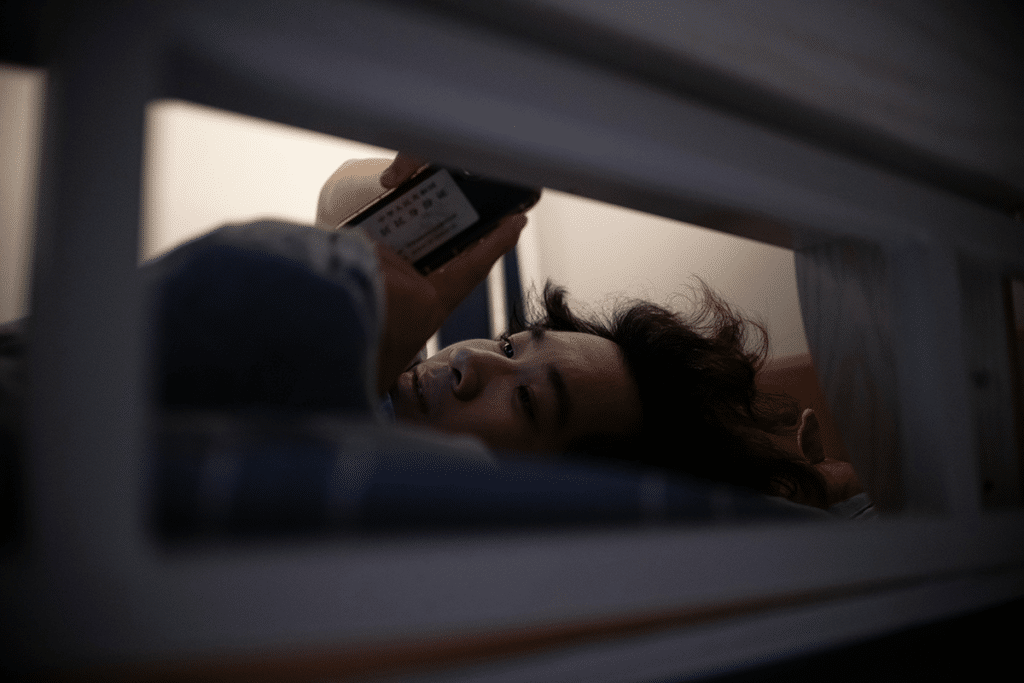
It is nearly midnight, the house is finally quiet, and you open another video even though you meant to go to bed. This feels like the first part of the day that belongs to you.
Revenge bedtime procrastination describes delaying sleep to reclaim personal time. Recognizing that trade-off gives you a practical place to start.
Photo by kuaileqie RE on Unsplash
In This Article
What Revenge Bedtime Procrastination Actually Means
Bedtime procrastination means going to bed later than intended when no outside circumstance prevents you. A 2014 survey study linked this behavior with self-reported insufficient sleep.
The “revenge” label describes one possible motivation: making up for a day with little freedom. Caring for an awake child or finishing an unavoidable late shift is a different situation.
Why You Keep Choosing Me-Time Over Sleep
Too little personal time may contribute, but it is not the only explanation. Habits and a preference for later hours can also matter.
A 2022 review of 43 studies found associations with shorter sleep, poorer sleep quality, and daytime fatigue. The authors rated the evidence as low quality and called for stronger studies to establish cause and effect.
Notice the trade-off. An activity can feel enjoyable tonight and still leave too little time for sleep before tomorrow’s alarm.
A Familiar Example From Sleep Practice
Cleveland Clinic sleep psychologist Alicia Roth, PhD, describes a familiar pattern: meetings, children’s activities, and household responsibilities fill the day. Reading or watching a show then feels like a deserved reward at bedtime.
She explains that sacrificing sleep can become a way to reclaim freedom. That makes the daytime schedule worth examining alongside nighttime habits.
How to Break the Cycle Without Losing Your Evening
Protect a Small Pocket of Time Earlier
Choose a brief, realistic break after work, after dinner, or between responsibilities. Pick something you enjoy without turning the break into another task to complete.
Set a “Phones-Down” Time
Use a reminder for when you want to begin winding down. If videos help you unwind, watch them before that point, then put your phone out of easy reach.
Our low-stimulation evening routine offers ideas for a quieter transition.
Make Bedtime Feel Pleasant, Not Punitive
Keep one small pleasure for the transition: a comfortable shower, quiet music, or a few pages of a book. Choose something easy to repeat when you are tired.
Look at the Day, Not Only the Night
Consider whether work messages, household tasks, or unevenly shared responsibilities keep consuming your evening. Ask for specific help where possible.
Our guide to mentally switching off after work can help you plan the end of the working day. For recurring demands, explore protecting your energy and avoiding burnout.
Try This Today
Before starting your evening show or book, choose a stopping point that fits your planned bedtime. Mark where to continue tomorrow so you can return to something you enjoy.
When It May Be More Than a Habit
Putting your phone away does not rule out a sleep problem. The National Heart, Lung, and Blood Institute lists difficulty falling asleep, repeated waking, and waking too early among insomnia symptoms.
Delaying bedtime and struggling to sleep can occur together. Speak with a healthcare professional if sleep difficulties persist for several weeks, interfere with daily activities, or leave you excessively sleepy during the day.
Frequently Asked Questions
Is bedtime procrastination only about phones?
No. Reading, gaming, or a hobby can also continue past your intended bedtime. Consider whether the activity repeatedly takes time from the sleep you planned.
Does a late bedtime always mean procrastination?
No. A later schedule may reflect work, caregiving, or your preferred sleep timing. The relevant question is whether you keep delaying your intended bedtime despite having the opportunity to go to bed.
Final Thoughts
A workable evening makes room for enjoyment, a clear stopping point, and enough opportunity to sleep. Begin with one change that fits an ordinary busy day, then adjust it as you learn what gets in the way.
Once you are ready to stop scrolling and actually sleep, a white noise machine can help make distracting nighttime sounds less noticeable.
Do you stay up late to get time for yourself?
What would you like to make room for earlier in your day?
Share your experience in the comments below.