

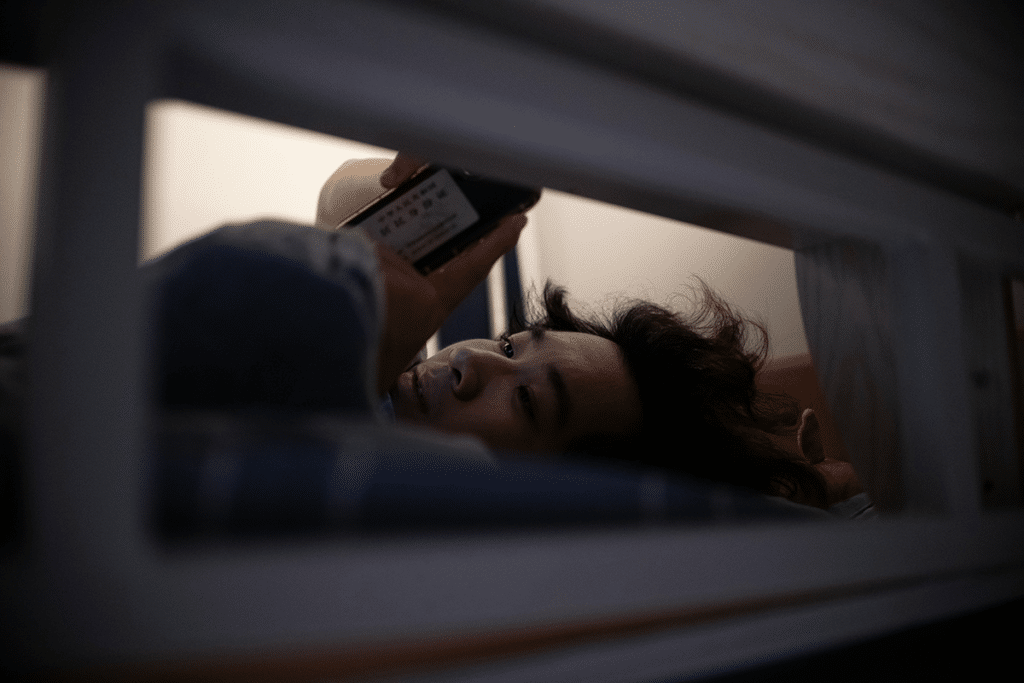
It is nearly midnight. You know tomorrow will be easier if you go to bed, but the house is finally quiet, nobody needs anything, and your phone offers an endless stream of videos, messages, and stories.
So you stay up, not because you cannot sleep, but because this feels like the only part of the day that belongs to you.
That pattern is often called revenge bedtime procrastination. The name sounds dramatic, but the feeling behind it is deeply ordinary: You are tired, yet giving up your last pocket of freedom feels even harder than giving up sleep.
Photo by kuaileqie RE on Unsplash
What Revenge Bedtime Procrastination Actually Means
Bedtime procrastination means going to bed later than you intended even though no outside problem is keeping you awake. You have the opportunity to sleep, understand that delaying will make tomorrow harder, and still postpone bedtime.
The “revenge” part describes the emotional reason some people do it. After a day controlled by work, caregiving, errands, or other people’s needs, late-night time can feel like a small act of taking your life back.
This is different from insomnia. With insomnia, you may want to sleep but struggle to fall or stay asleep. With bedtime procrastination, you are usually delaying the decision to go to bed.
Why You Keep Choosing Me-Time Over Sleep
The behavior is easy to label as poor discipline, but that explanation misses something important.
You may be staying up because your daytime routine gives you too little autonomy, pleasure, or quiet. Scrolling, watching one more episode, reading, or simply sitting alone can feel like delayed self-care.
The problem is not wanting personal time. The problem is borrowing it from sleep night after night.
Regularly delaying bedtime may be one reason you wake up tired even when you planned to get more rest.
Research that first defined bedtime procrastination connected the behavior with insufficient sleep and lower well-being. A later systematic review also found that greater bedtime procrastination was associated with poorer sleep outcomes.
A Familiar Example From Sleep Practice
Cleveland Clinic sleep psychologist Alicia Roth, PhD, describes a common pattern: A day filled with meetings, children’s activities, household work, and other people’s expectations leaves no room for you.
When bedtime arrives, reading, scrolling, or watching a show feels deserved.
Dr. Roth explains that the behavior can be an attempt to regain freedom by sacrificing sleep. That makes it less a story about laziness and more a sign that your current day may not be meeting your need for personal time.
How to Break the Cycle Without Losing Your Evening
Protect a Small Pocket of Time Earlier
Do not make bedtime carry the entire burden of giving you a life outside your responsibilities.
Even 15 or 20 minutes after work, after dinner, or before household tasks can help. Choose something that feels genuinely yours, not another productive habit disguised as rest.
Set a “Phones-Down” Time
A bedtime alarm is often more useful than relying on willpower when you are already tired.
Choose a time to stop scrolling and place your phone where you cannot reach it from bed. If videos or social media help you unwind, enjoy them earlier, then create a short screen-free buffer before sleep.
A low-stimulation evening routine can make it easier to step away from screens without feeling that your quiet time has suddenly disappeared.
Make Bedtime Feel Pleasant, Not Punitive
Going to bed may feel like surrendering your only freedom if the routine is rushed and joyless.
Keep one small pleasure for the transition: a warm shower, a few pages of a book, soft music, comfortable pajamas, or a quiet skincare routine.
The goal is to make sleep feel like care, not the end of your personal time.
A few simple evening habits can also help bedtime feel like a gentle transition rather than an abrupt end to your day.
Look at the Day, Not Only the Night
If you repeatedly “take revenge” on the day, the deeper question is whether your schedule leaves any space for you.
Learning how to mentally switch off after work may help you reclaim some personal space before the late-night hours arrive.
You may need firmer work boundaries, fewer evening obligations, more shared responsibility at home, or an honest conversation about what you can no longer carry alone.
Protecting your energy during the day can reduce the urge to reclaim your freedom by sacrificing sleep at night.
When It May Be More Than a Habit
If you regularly cannot fall asleep even after putting devices away, wake repeatedly, or feel exhausted despite spending enough time in bed, speak with a healthcare professional.
Persistent sleep problems may have causes that a better routine cannot solve on its own.
Frequently Asked Questions
Is revenge bedtime procrastination the same as insomnia?
No. With revenge bedtime procrastination, you usually have the opportunity to sleep but intentionally delay going to bed. With insomnia, you may want to sleep but have difficulty falling asleep, staying asleep, or getting restorative sleep.
Why do I keep staying up late even when I am exhausted?
Late-night hours may feel like the only time that belongs entirely to you, especially after a day filled with work, caregiving, or other responsibilities. The behavior can become a way of reclaiming personal time, even when you know you will feel tired the next day.
How can I stop revenge bedtime procrastination without giving up my free time?
Try protecting a small amount of personal time earlier in the day and setting a realistic point when screens or other stimulating activities stop. The goal is not to remove your evening enjoyment, but to avoid making sleep the price you pay for having time to yourself.
When should late-night sleep problems be discussed with a doctor?
Consider talking with a healthcare professional if you regularly cannot fall asleep even when you try, wake repeatedly during the night, feel excessively sleepy during the day, or remain exhausted despite allowing enough time for sleep.
Final Thoughts
Revenge bedtime procrastination is not proof that you do not care about your health. It may be a sign that you are trying to protect the only quiet time you have.
Tonight, choose one small change: Claim a little personal time earlier, set a phones-down alarm, or create a bedtime ritual you genuinely enjoy.
You should not have to steal time from tomorrow to feel that part of today belonged to you.
Once you are ready to stop scrolling and actually sleep, a white noise machine can help make distracting nighttime sounds less noticeable.
Maybe scrolling, watching a show, or reading gives you the quiet time you could not find earlier.
Share your experience in the comments below — your story may help another woman realize she is not simply “bad at going to bed.”