

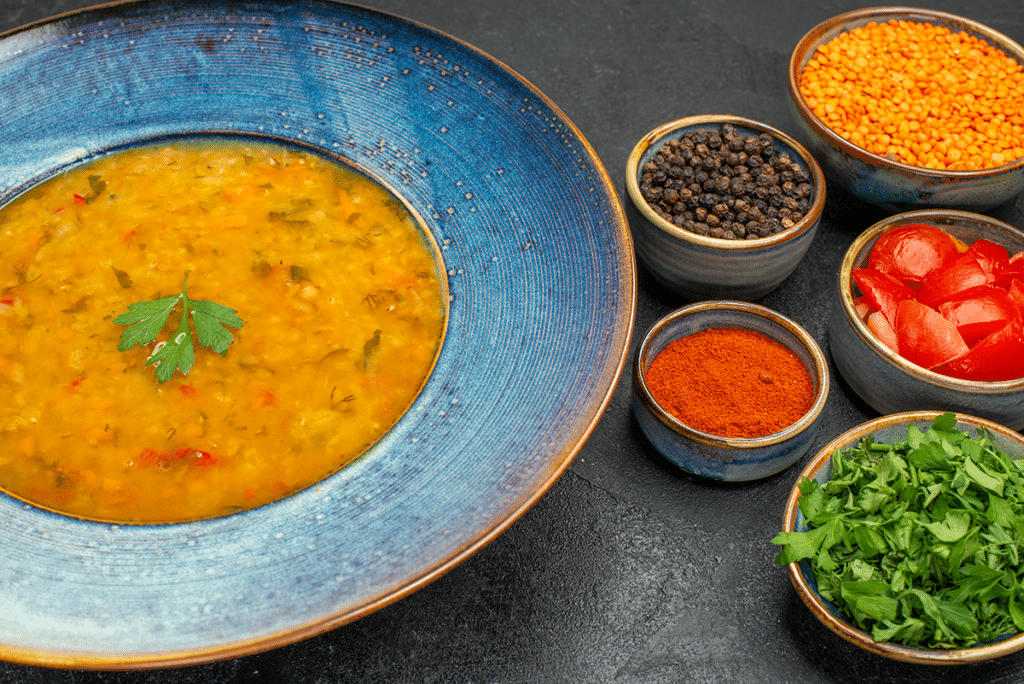
Lentils are easy to overlook. They are inexpensive, small, and not nearly as glamorous as many foods marketed as “superfoods.”
Yet a bowl of lentil soup can offer something many busy meals lack: plant protein, fiber, steady carbohydrates, and real staying power.
The important question is not whether lentils are perfect, but whether they can make your everyday meals more nourishing and satisfying.
Image credit: Photo by Kamran Aydinov on Magnific
Are Lentils Actually Good for You?
Yes. Lentils are naturally low in sodium and saturated fat and provide fiber, folate, potassium, iron, and plant protein.
Because they combine protein with fiber-rich carbohydrates, lentils can make a meal feel substantial without relying entirely on meat. They also work beautifully in soups, salads, bowls, curries, and simple weeknight dinners.
Can Lentils Help You Feel Full Longer?
Fiber adds volume and slows the pace of digestion, while protein helps a meal feel more complete.
Together, they can make lentils especially useful at lunch or dinner when you want to avoid feeling hungry again too soon.
For more satisfying meal ideas, explore Foods That Help You Feel Full Longer and Support Steady Energy.
They are not a shortcut to weight loss. But replacing a low-fiber side or part of a meat-heavy meal with lentils may help you create a more balanced plate.
Do Lentils Support Energy?
Lentils provide complex carbohydrates along with iron and folate. These nutrients support normal processes related to energy production and healthy blood cells, although eating lentils will not instantly fix persistent fatigue.
Pairing lentils with vitamin C-rich foods such as tomatoes, bell peppers, or lemon can help your body absorb more of their plant-based iron.
A Real-Life Example From a Doctor’s Kitchen
In a Mayo Clinic Q&A, family medicine physician Christine Nguyen, DO, described lentils as one of her favorite plant-protein ingredients.
She adds them to chili and soup and also uses them as a meat alternative in meatless meatballs and tacos.
That is a useful reminder that lentils do not need a special “health food” recipe. They can simply be folded into meals you already make.
Are Lentils Good for Digestion?
Their fiber can support regularity and help feed beneficial gut bacteria. But if you rarely eat legumes, a large bowl may also cause gas, pressure, or bloating.
If your digestion is sensitive, learn how to introduce high-fiber foods without feeling more bloated.
Start with a small portion, drink enough water, and increase gradually. Rinsing canned lentils and cooking dried lentils until soft may also make them easier to enjoy.
If lentils repeatedly cause significant discomfort, especially if you have IBS or another digestive condition, speak with a healthcare professional or registered dietitian.
Which Lentils Should You Choose?
Lentils can serve as the protein and fiber-rich carbohydrate in a meal when you learn how to build a balanced plate without counting calories.
Red lentils
They cook quickly and soften into a creamy texture, making them ideal for soups, dals, and sauces.
Brown or green lentils
They hold their shape better and work well in salads, bowls, and side dishes.
Canned lentils
They are the quickest option. Choose a lower-sodium product when possible, then drain and rinse it before use.
Easy Red Lentil Soup for Busy Days
Ingredients
- 1 cup red lentils, rinsed
- 1 small onion, chopped
- 2 carrots, chopped
- 1 cup crushed tomatoes
- 4 cups low-sodium vegetable broth
- 1 tablespoon olive oil
- ½ teaspoon cumin
- Black pepper to taste
- Lemon and parsley for serving
Directions
Warm the olive oil in a pot and soften the onion and carrots for five minutes. Add the lentils, tomatoes, broth, cumin, and pepper.
Simmer for 20 to 25 minutes, until the lentils are soft. Finish with lemon and parsley, adding a little more water if you prefer a thinner soup.
If digestive discomfort is a frequent concern, you may also find these best foods for reducing bloating naturally helpful.
For more practical ways to build satisfying meals around foods like lentils, vegetables, grains, and other wholesome staples, see our picks for the best healthy cookbooks for balanced eating.
Final Thoughts
Lentils are affordable, flexible, and genuinely nourishing. Their combination of protein, fiber, minerals, and slow-digesting carbohydrates can support fuller, more balanced meals.
Begin with a modest portion, notice how your digestion responds, and use lentils in familiar foods rather than forcing them into every meal.
Maybe you prefer them in soup, salad, curry, or a simple bowl with vegetables.
Share your favorite lentil meal in the comments and help another BloomHerLife reader find an easy place to begin.