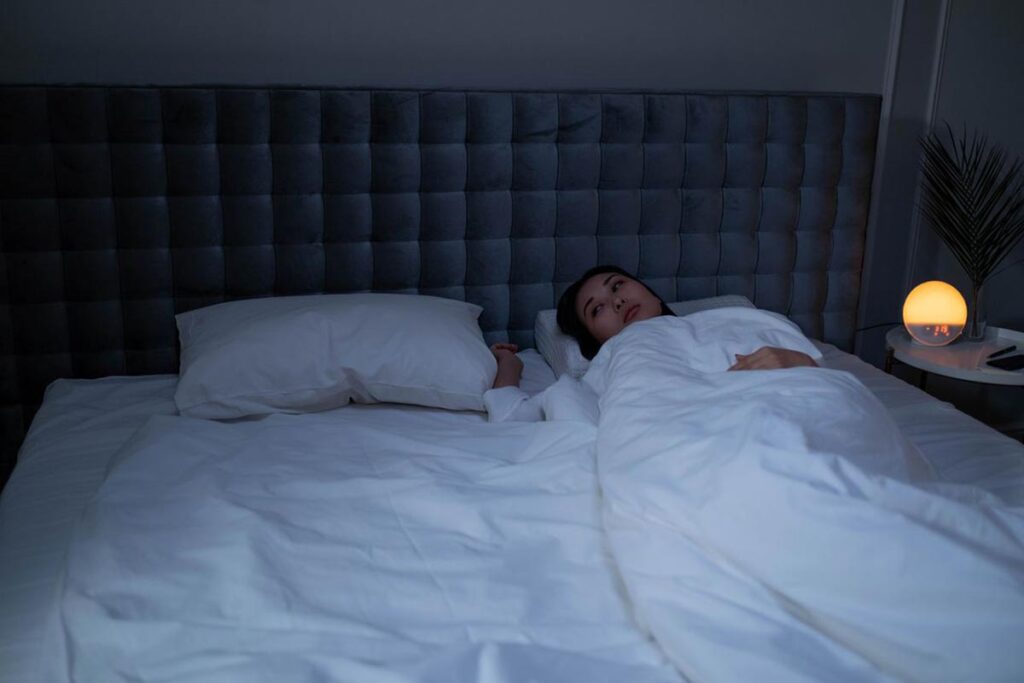
You climb into bed feeling warm enough, yet your lips feel tight and your nose seems drier than it did in the living room. By morning, you are reaching for water before you have even opened the curtains.
Dry bedroom air often becomes more noticeable when the heat is on, but comfort depends on more than the thermostat.
Understanding what warming does to humidity – and checking whether the room is actually dry – can help you choose a small change that fits the problem.
Photo by cottonbro studio on Pexels
In This Article
Why Heating Changes How the Air Feels
In cold weather, outdoor air entering through ventilation or gaps can contain relatively little water vapor. Heating that air changes its relative humidity: the percentage of water vapor present compared with what would be needed for saturation at that temperature.
The National Weather Service explains that warming air without adding moisture lowers its relative humidity. A heater can make air feel drier without removing water from it.
That helps explain why a room can feel cozy when you arrive home but less comfortable after several hours of heating.
How Dry Bedroom Air Can Feel
Low humidity may leave skin and lips feeling drier or make nasal passages uncomfortable. Family medicine specialist Josue Limage, MD, explains: “When the air is too dry, your sinuses dry out, too.”
These sensations are clues, not a humidity reading. You may notice them during heating season, but that does not prove the room is the only cause.
If your face stays uncomfortable after skincare, explore why your skin feels tight after moisturizing before assuming the air explains everything.
Check the Room Before Adding Moisture
A hygrometer measures humidity and gives you a clearer starting point than guessing from a dry throat or static hair. Mayo Clinic recommends keeping indoor humidity between 30% and 50%.
If readings remain low, a portable humidifier may help. Use distilled or demineralized water, empty and dry the tank before refilling it daily, and follow the manufacturer’s cleaning instructions. Reduce added moisture if windows or nearby surfaces become damp, since excess humidity can encourage mold and dust mites.
More moisture is not always more comfort. If humidity is already within the usual range, look at overheating, direct airflow, or another reason for your symptoms before increasing it.
Try This Today
If you already have a hygrometer, record the bedroom humidity before bed and again after waking. Keep the device in the same place so the readings are easier to compare.
A Few Changes to Try Tonight
Start by easing excessive heat to a comfortable setting and choosing bedding that keeps you warm. If a vent or fan blows toward your pillow, reposition where you sleep without blocking ventilation.
In a published Mayo Clinic Q&A, a reader described persistent dry eyes despite using drops. Ophthalmologist Dave Patel, MD, advised: “Avoid air blowing in your eyes.”
He also explained that medications, aging, and eyelid problems can contribute to dry eyes. Persistent redness, itching, or pain deserves assessment, rather than another increase in humidity.
Make the room check part of a low-stimulation evening routine so it becomes one manageable bedtime habit.
Frequently Asked Questions
Do radiators and electric heaters make bedroom air feel dry too?
They can. Both warm the air without adding water vapor, which can lower relative humidity. Forced-air heating also creates airflow you may notice around the bed.
Will opening a window make the bedroom less dry?
Not necessarily. Cold outdoor air can have high relative humidity while containing relatively little water vapor, so it may become relatively dry once warmed indoors. If you air the room, check humidity again once it returns to its usual temperature.
Final Thoughts
A bedroom can be warm without feeling comfortable. Choose one change based on what you find tonight, then notice how the room feels over the next few evenings.
Does your bedroom feel drier once the heating comes on?
Tell us what you noticed after checking the humidity or changing the airflow.
Share one small adjustment that has helped in the comments below.