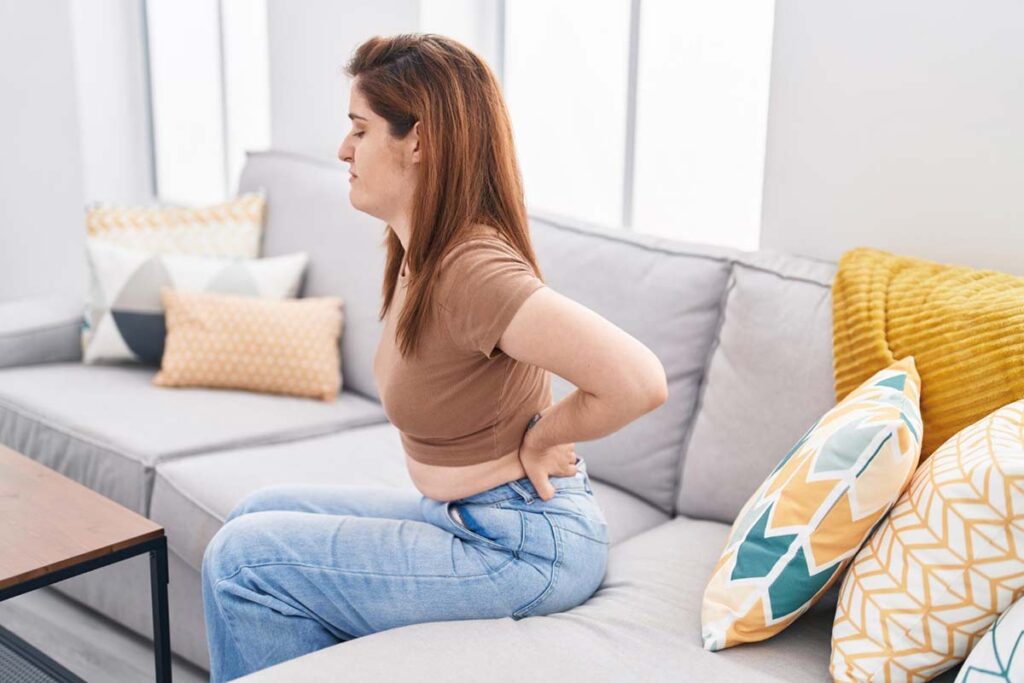
Your usual routines are still there, but your body feels less familiar. You wake stiff, worry more easily, or notice that your waistband fits differently. Then you open your phone and find ten explanations, each pointing you toward a different solution.
A useful book gives you room to slow down and ask better questions. This guide to the best books for perimenopause compares five titles with different strengths: a broad overview, brain science, myth clarification, fitness, and personal experience.
You do not need all five. Choose the one that answers the question taking up the most space in your mind today.
Photo by George Milton on Pexels
Affiliate Disclosure
As an Amazon Associate, I earn from qualifying purchases. This article contains affiliate links, which may earn BloomHerLife a commission at no extra cost to you. Thank you for supporting BloomHerLife.
How We Chose These Books
We compared author backgrounds, publisher descriptions, edition details, Amazon ratings, and samples of positive and critical customer reviews. We have not read all five books from cover to cover, so this guide assesses their stated scope and reader fit.
Reader comments inform our notes on tone, depth, and practicality; personal reports about treatment results are not clinical evidence. The selected English editions span 2021–2026: the year in this title refers to this buying guide.
Compare the Books Before You Choose
In a 2026 study published in Menopause, 34% of 7,640 surveyed US women aged 35 and older reported being unsure of their reproductive stage. This measured participants’ uncertainty, rather than establishing their diagnoses.
You can start learning before you have every answer. Begin with the question you most want to understand, then match it to a book’s focus.
| Book | Our pick for | Consider before buying |
|---|---|---|
| The New Perimenopause | A broad overview and preparing for medical appointments | Comprehensive; some readers find it wordy |
| The Menopause Brain | Brain, memory, mood, and sleep questions | A science-focused read |
| The Menopause Manifesto | Understanding myths and the wider medical and social context | Historical and feminist commentary is prominent |
| Next Level | Training, nutrition, and recovery for already active women | Athletic examples can feel advanced for beginners |
| Dare I Say It | Personal stories and a conversational reading style | Personal storytelling is central |
5 Best Books for Perimenopause: What Each Offers
1. The New Perimenopause – A Broad Starting Point
Mary Claire Haver, MD, is an OB/GYN writing specifically about the years leading up to menopause. The publisher’s description lists explanations of cycle changes, energy, mood, sleep, and sexual concerns, alongside checklists and questions for your doctor.
This is our starting-point pick if you have several unfamiliar changes and want a wider overview. Readers in the review sample appreciated accessible explanations and help preparing for appointments; some found the book repetitive or wanted more everyday lifestyle guidance.
If stiffness is what sent you searching, start with our guide to perimenopause joint pain.
Selected edition: Hardcover, 2026, 368 pages.
2. The Menopause Brain – For Questions About Your Mind
You reread an email, lose a familiar word, or wonder why a small problem feels harder to handle. If those are the questions bringing you to this topic, Lisa Mosconi, PhD, offers a more focused angle.
Mosconi is a neuroscientist, and the publisher describes a book centered on the brain during perimenopause and menopause, with discussion of mood, memory, sleep, treatment options, and lifestyle approaches.
Readers we reviewed valued the scientific explanations. Others found some lifestyle suggestions familiar or the discussion of brain aging unsettling, so consider whether you want that level of detail right now.
If worry is your main concern, our guide to perimenopause anxiety explores that question in more detail.
Selected edition: Hardcover, 2024, 320 pages.
3. The Menopause Manifesto – For Questioning Common Beliefs
Jen Gunter, MD, brings a gynecologist’s perspective to menopause, with a strong emphasis on challenging misinformation. Her publisher’s overview combines medical explanations with historical context and a feminist perspective.
At 400 pages, this is the longest book in our selection. It suits a reader who wants a substantial reference and is interested in how menopause has been discussed, misunderstood, and treated.
That framing also matters when choosing it. Some readers in the sample praised the breadth, while others wanted less social commentary and more concise, practical symptom guidance.
Selected edition: Paperback, 2021, 400 pages.
4. Next Level – For Women Who Already Train
Stacy T. Sims, PhD, with Selene Yeager, focuses on active women approaching or experiencing menopause. The publisher describes exercise routines, nutrition strategies, recovery, and examples drawn from women Sims has coached. www.penguinrandomhouse.com
This is our specialist fitness pick. Choose it if you already train and enjoy detailed exercise science, especially when your familiar routine raises new questions.
The strongest limitation in the reviews we examined was audience fit: several readers felt the examples leaned toward experienced or competitive athletes. Some also wanted clearer everyday plans, making it a less obvious starting point for someone seeking gentle beginner guidance.
If a changing waist prompted your search, our guide to belly fat during perimenopause puts that concern in context. A fitness book should be chosen for your current abilities and interests, rather than treated as a promise of weight loss.
Selected edition: Paperback, 2022, 320 pages.
5. Dare I Say It – For a More Personal Perspective
Naomi Watts approaches menopause through personal experience, with a foreword by Mary Claire Haver, MD. The publisher describes stories from Watts and other women alongside contributions from doctors and other experts.
This is our conversational pick if you want to hear how another woman describes unfamiliar physical and emotional changes. Readers in the sample appreciated the candid tone and feeling less alone.
The small critical sample included disappointment about the amount of new information and humor. If you already own a detailed menopause guide, check a sample to decide whether Watts’s personal perspective adds something you want.
Selected edition: Paperback, 2026, 256 pages.
Turn Your Reading Into Useful Questions
In a published Mayo Clinic Q&A, a reader asked about hormone therapy after hot flashes and night sweats kept her awake. Taryn Smith, MD, replied: “Keep in mind, though, it is not for everybody.”
Her answer also stresses checking for other contributing medical conditions. A book can help you prepare questions; your medical history shapes the treatment discussion.
Keep three short notes as you read:
- What changed, and when did it start?
- How often does it happen, and does it affect sleep, work, or activity?
- What would you like your clinician to assess or explain?
If symptoms repeatedly disturb sleep or daily life, arrange that conversation while you read. If lightheadedness is the concern you are trying to describe, our guide to dizziness during perimenopause offers a focused starting point.
Frequently Asked Questions
What should I look for in a book sample?
Read a passage about the concern that matters most to you, and check the table of contents. Notice whether the explanations feel clear and whether you prefer practical lists, scientific detail, or personal stories.
Should I choose hardcover or paperback?
Choose the format you will comfortably hold, carry, and return to. Check the edition and print details before ordering, especially if text size matters to you; the links above correspond to the selected formats listed in this guide.
What if a long book feels like too much right now?
Start with one relevant subsection and write down one useful question. If you prefer listening, preview the narration of an available audio edition before choosing it, and keep a short note of anything you want to discuss later.
Final Thoughts
The best books for perimenopause help you explore the question you actually have. Choose the reading style that fits you, return to the sections you need, and bring unresolved health questions into a conversation about your own care.
One useful chapter and one clear question are enough to begin.
What question would you like a perimenopause book to answer?
Tell us which of these books you would start with.
Your comment may help another woman choose her next read.