You have the pump ready and ten quiet minutes, but your bra opens so fully that you still need both hands to hold the bottles.
Or you try to feed your baby and find a layer of pumping fabric in the way.
The nursing bra vs pumping bra decision becomes easier once you separate breast access from pump support. Start with how you feed today, with room to adjust if your routine changes.
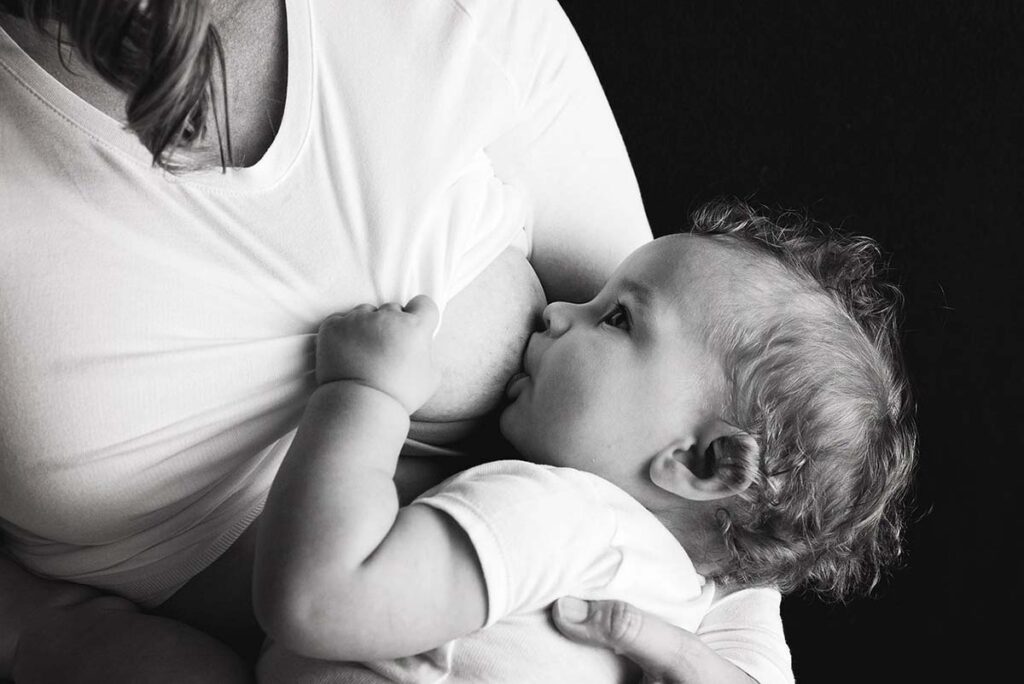
Photo by badarsk on Pixabay
In This Article
Nursing Bra vs Pumping Bra: What Changes?
You do not automatically need both. Choose according to the access and support you use most.
| Bra type | Main feature | Most useful for |
|---|---|---|
| Nursing | Cups unclip or pull aside | Feeding at the breast |
| Pumping | Openings hold compatible pump flanges | Hands-free pumping with external flanges |
| Combination | Nursing access plus pump support | Switching between nursing and pumping |
Flanges are the breast shields that sit against your breast during pumping. You can hold them yourself without a pumping bra; the bra’s main advantage is freeing your hands.
Lactation consultant Philippa Pearson-Glaze, IBCLC, explains in her nursing-bra Q&A that small pumping openings may not expose enough breast for a deep latch. A pumping bra needs separate nursing access if you want to use it for both jobs.
Choose Around Your Feeding Routine
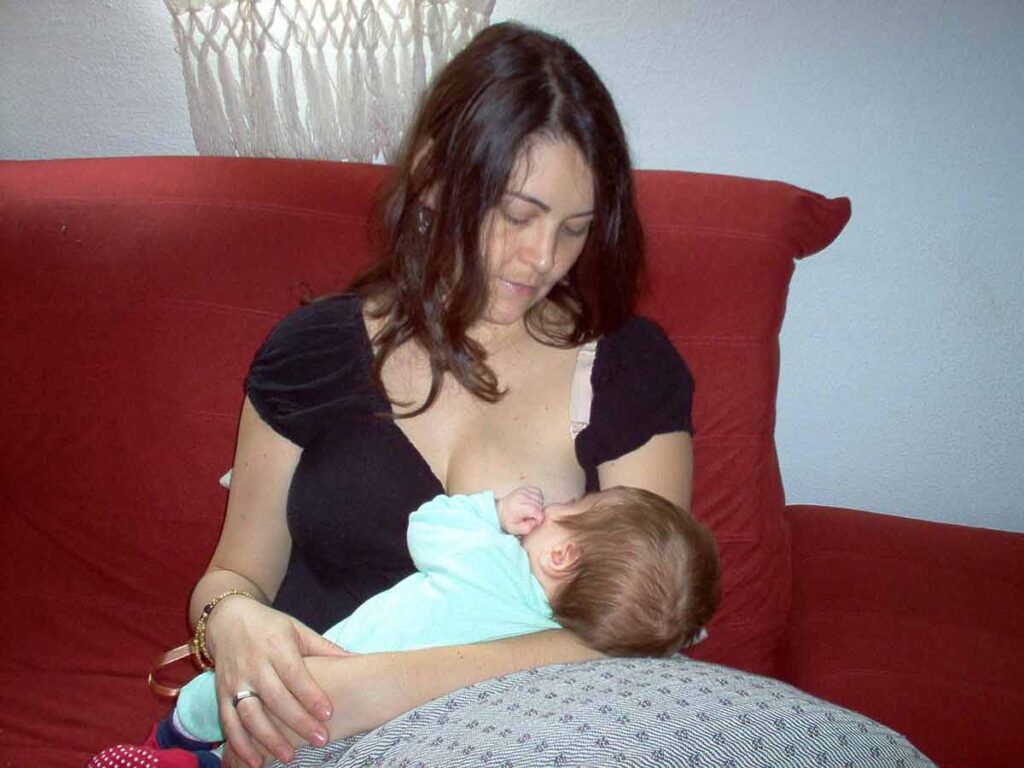
Mostly nursing? Look for cups you can open with one hand and move fully aside. If you plan skin-to-skin time with your newborn, check how easily the front opens.
Pumping regularly? A compatible pumping bra can hold external flanges in place. In a Mercy Health interview, lactation consultant Emily Arredondo notes that a hands-free pumping bra may help parents preparing to return to work.
Doing both? A combination bra may save changing between sessions. Check that the nursing panel opens separately from the layer supporting the pump.
When packing your pumping bag, add a snack; these healthy snacks for women offer easy ideas.
What If You Use a Wearable Pump?
Wearable pumps and in-bra collection cups may not need openings for external flanges. For example, Elvie’s fitting guidance says Elvie Pump is designed for a standard nursing bra.
Follow your own model’s instructions for bra support, cup space, and positioning. The fit should hold the pump securely without painful compression. Check your pump before choosing the openings you need.
Check Comfort Before Buying More
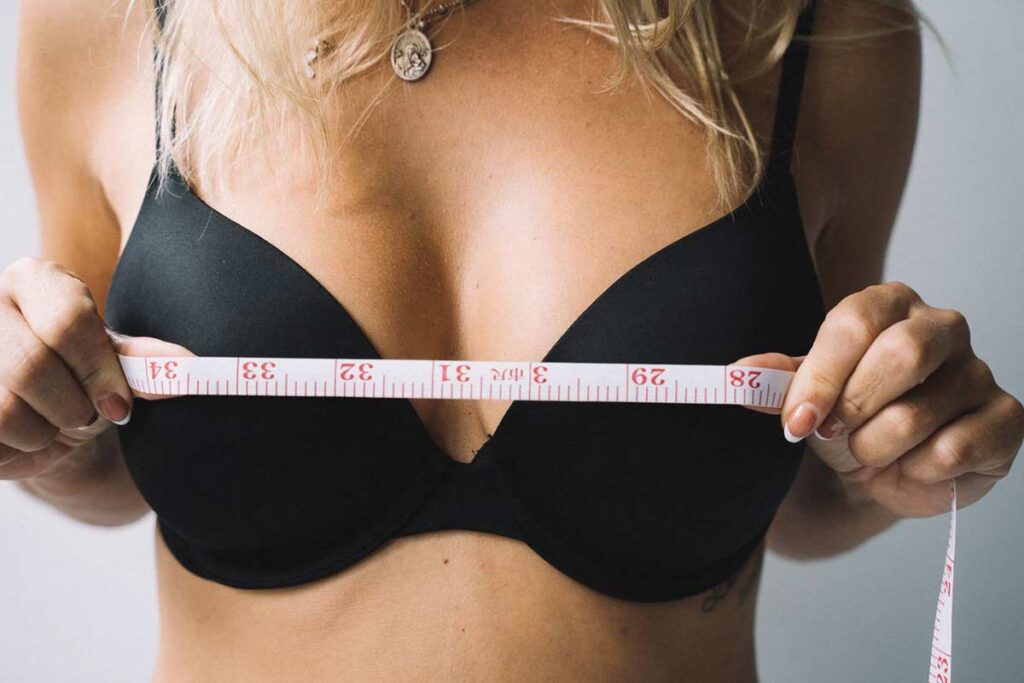
A useful fit check goes beyond the size on the label:
- The band stays level without digging in.
- Cups contain breast tissue without pinching or spilling.
- Straps support without cutting into your shoulders.
- With the pump attached, flanges stay centered without painful pressure or pulling.
Breast size can change after birth and between feeds, so recheck your fit and use the brand’s sizing guide. You should not have to tolerate discomfort to keep pump parts in place.
Try This Today
Before your next planned session, try your bra with the exact pump parts and top you expect to wear. Check that you can set up and remove everything without struggling with layers.
When to Ask for Help
Pause pumping if it hurts. The FDA advises getting help from a doctor or lactation consultant for persistent pain, bleeding, or injury; fever or flu-like symptoms also warrant medical advice.
A different bra cannot address every cause of breast or nipple pain.
Frequently Asked Questions
Should I buy nursing bras before my baby arrives?
You can buy a small starter set, but allow for postpartum size changes. Avoid stocking up on a single size before you know how it fits during feeding.
Can I wear a pumping bra all day?
Some are designed for everyday wear; others are session-only bustiers. Check the product instructions and choose something comfortable between sessions as well as during them.
How many nursing or pumping bras do I need?
Start with enough to wear one while another is being washed or dried. Your washing routine, leaks, and how often you pump will determine whether you need more.
Final Thoughts
Choose the bra that makes your next feed or pumping session simpler. You can add another style if your routine changes; the first choice does not need to cover every future stage.
Which bra made feeding or pumping easier for you?
Did you prefer a combination style or separate bras?
Share the small design detail that helped most in the comments.