

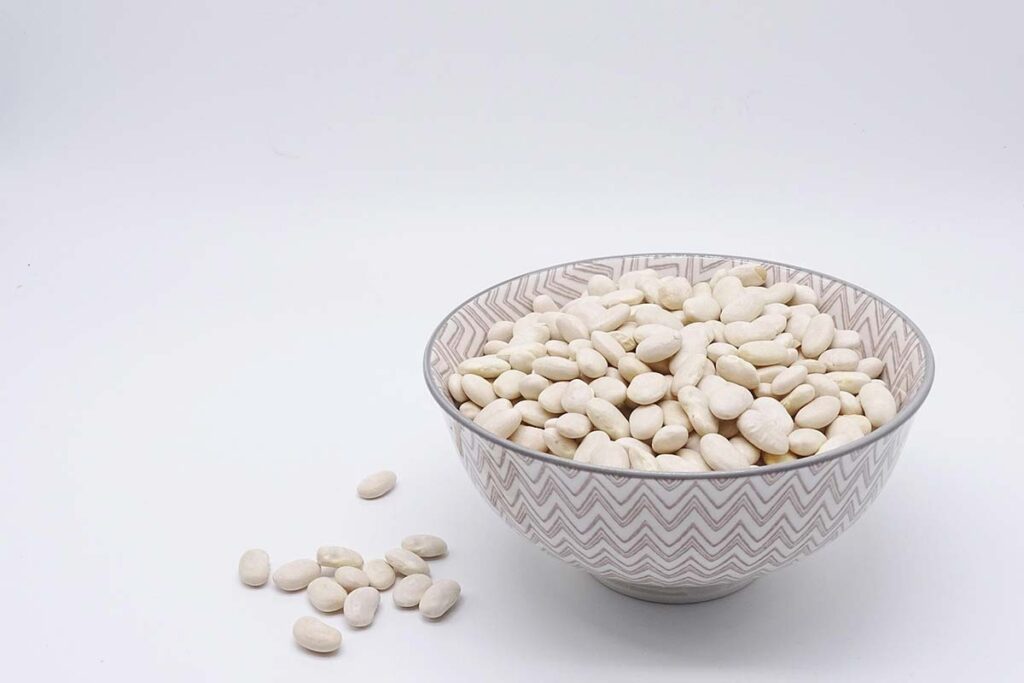
Are canned beans healthy? You have ten minutes to make lunch, and the can in your pantry looks like the easiest way to turn a salad into a meal.
Then you notice the sodium on the label. Should you use the beans, rinse them, or reach for something else?
Canned beans can be a nourishing, practical choice. They offer fiber and plant protein without the time it takes to cook dried beans.
The useful questions are how much sodium is in this can, whether you want to use its liquid, and how your digestion responds to beans.
Photo by Pixabay
Are Canned Beans Healthy? What They Add to a Meal
Beans provide fiber, plant protein and minerals. Their fiber may also help a meal keep you satisfied longer, according to the American Heart Association.
That makes a can useful on an ordinary weekday. Stir beans into leftover rice and vegetables, add them to a salad, or warm them with tomatoes for a quick dinner. If you want ideas for putting those pieces together, see how to build a balanced plate without counting calories.
The canning process does not cancel out the value of the beans. What deserves a closer look is the salt added to some products.
How Much Does Sodium Matter?
Sodium varies between products, so compare the Nutrition Facts labels on two cans of the same type of bean. Look at the serving size as well as the sodium: the FDA considers 5% Daily Value or less low and 20% or more high for a nutrient in one serving.
“No salt added” is a useful option when you can find it. If you are following a sodium limit recommended for a medical condition, compare labels and follow the advice you were given; rinsing is helpful, but it does not turn every product into a low-sodium food.
Should You Drain and Rinse Canned Beans?
If you want less sodium or separate, clean-tasting beans for a salad, pour them into a colander, drain the liquid and rinse under running water. One study of five canned bean varieties found an average sodium reduction of 36% after draining and 41% after draining and rinsing, compared with beans served with their packing liquid. The extra reduction from rinsing was not statistically significant in that study, and the result should not be treated as a guarantee for every can.
A reader asked Tufts Health & Nutrition Letter whether rinsing also washes nutrients away. Diane McKay, PhD, explained that some water-soluble nutrients can leave with the liquid, while the drained beans still provide plenty of nutrients, including fiber.
So you do not have to rinse every can on principle. If you want the liquid to thicken a soup or chili, choosing a lower-sodium product gives you more control over the salt in the finished dish.
What If Beans Make You Bloated?
A nutritious food can still feel uncomfortable in a large portion. If beans are new to your routine, try a few spoonfuls with a familiar meal and increase gradually rather than starting with a full bowl. Our guide to adding high-fiber foods without bloating offers more ways to make that change gently.
Rinsing may help some people, too. Monash University explains that some fermentable carbohydrates move into the canning liquid, which is removed when legumes are drained and rinsed; tolerance still depends on the bean, portion and person.
If beans repeatedly bring significant pain, persistent bloating or a marked change in bowel habits, speak with a healthcare professional or registered dietitian instead of assuming fiber is the only cause.
Frequently Asked Questions
Are canned beans less healthy than dried beans?
Both can fit into a nourishing diet. Dried beans give you more control over added salt when you cook them yourself; canned beans save time and make it easier to add beans to a meal you might otherwise skip. Compare canned products if sodium matters to you.
Do I need to cook canned beans before eating them?
Plain canned beans are already cooked, so you can add them to a cold salad after opening and draining them. You can also warm them for a soup, grain bowl or tacos. Check the label if you are buying a seasoned bean product, since its sauce and instructions may differ.
Are canned lentils a good alternative?
Yes, if you enjoy them. They work particularly well in quick soups and salads, and the same label-checking and draining choices apply. For more on their uses, read are lentils good for you?.
Final Thoughts
Keep the beans. Choose a can that fits your sodium needs, rinse it when that suits the meal, and start with a portion your digestion handles comfortably. A useful pantry staple does not need to be complicated.
Or do you use the liquid in soups and chili?
Share your favorite way to use them in the comments.