

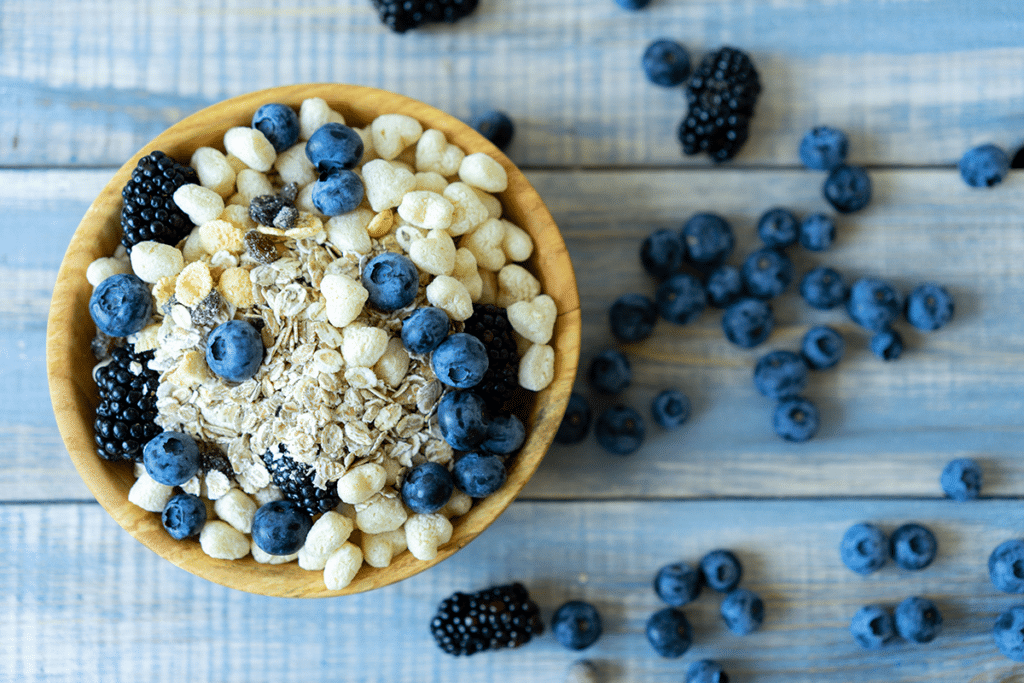
Blueberries can make an ordinary breakfast feel brighter.
They are easy to scatter over yogurt, stir into oatmeal, or blend into a smoothie.
But when fresh berries are expensive or spoil quickly, frozen ones often seem like the practical choice. The question is whether convenience comes with a nutritional trade-off.
The reassuring answer is that both fresh and frozen blueberries can be healthy choices. The better option usually depends on freshness, storage, price, texture, and how you plan to use them.
Image credit: Photo by Atlantic Ambience on Pexels
What Makes Blueberries Worth Eating?
Blueberries provide fiber, vitamin C, vitamin K, manganese, and anthocyanins, the plant pigments responsible for their deep blue color.
They are nourishing, but they are not a miracle food. No single fruit needs to carry your entire wellness routine, and variety still matters.
Think of blueberries as one easy, colorful way to add more fruit to meals you already enjoy.
Are Frozen Blueberries as Healthy as Fresh?
In most everyday situations, yes, frozen blueberries are still highly nutritious.
They are usually frozen soon after harvest, which slows spoilage and helps preserve many nutrients. One study found no significant drop in blueberry anthocyanins during three months of frozen storage, although nutrient levels can still vary with processing, storage time, and repeated thawing.
Fresh berries may have the best texture when they are recently picked and eaten quickly. But berries that spend days in transport and then sit in the refrigerator are not necessarily nutritionally superior simply because they were never frozen.
A Real Example From Dietitian Practice
Cleveland Clinic dietitian Kristin Kirkpatrick says she has recommended frozen produce to many patients because it is frozen at peak ripeness and can offer similar nutrient density.
That advice feels especially realistic with blueberries. Many women buy a fresh container with good intentions, use a handful, and discover the rest turning soft or moldy before the week is over.
A bag in the freezer may be the healthier choice if it helps you eat the fruit instead of throwing it away.
Fresh vs. Frozen: When Each One Works Best
Choose fresh blueberries when:
- You want firm berries for snacking or salads.
- They are in season, flavorful, and reasonably priced.
- You know you will eat them within a few days.
Choose frozen blueberries when:
- You want berries available year-round.
- You use them in oatmeal, smoothies, baking, or sauces.
- You want a lower-waste option that lasts longer.
- Fresh berries are expensive or disappointing in quality.
When buying frozen fruit, choose plain, unsweetened blueberries. A quick label check helps you avoid products with added sugar or syrup.
Does Freezing Change the Texture?
Yes. Frozen blueberries soften as they thaw because ice crystals affect their cell structure.
That makes them less ideal for a crisp fruit salad, but perfect for warm oatmeal, yogurt bowls, smoothies, compotes, and baking. You can add them straight from the freezer to most cooked recipes.
For yogurt, let them thaw for several minutes. Their juices create a naturally purple swirl without needing a sweetened fruit topping.
Blueberries also pair beautifully with yogurt, nuts, or cottage cheese in simple healthy snacks for women that support energy and cravings.
Easy Blueberry Baked Oatmeal
Ingredients
- 1 cup rolled oats
- 1 cup milk or an unsweetened milk alternative
- 1 egg
- ¾ cup fresh or frozen blueberries
- 1 tablespoon chia seeds
- ½ teaspoon cinnamon
- 1 teaspoon honey or maple syrup, optional
- 2 tablespoons chopped walnuts
Directions
Heat the oven to 350°F (175°C). Mix the oats, milk, egg, chia seeds, cinnamon, and optional sweetener in a small baking dish.
Fold in the blueberries, sprinkle with walnuts, and bake for 25 to 30 minutes. Frozen berries can go in without thawing, although the oatmeal may need a few extra minutes.
If you enjoy finding easy ways to use simple, nutritious ingredients, our roundup of healthy cookbooks for everyday meals offers plenty of fresh inspiration.
Final Thoughts
Fresh blueberries are wonderful when they are ripe, affordable, and eaten quickly. Frozen blueberries are just as valuable when convenience, budget, and reducing food waste matter more.
There is no need to treat one as the “good” choice and the other as second best. Choose the version that makes blueberries easier to include in your actual life.
Both can fit beautifully into a nourishing breakfast, snack, or smoothie routine.
Share your favorite way to use blueberries in the comments and inspire another BloomHerLife reader.