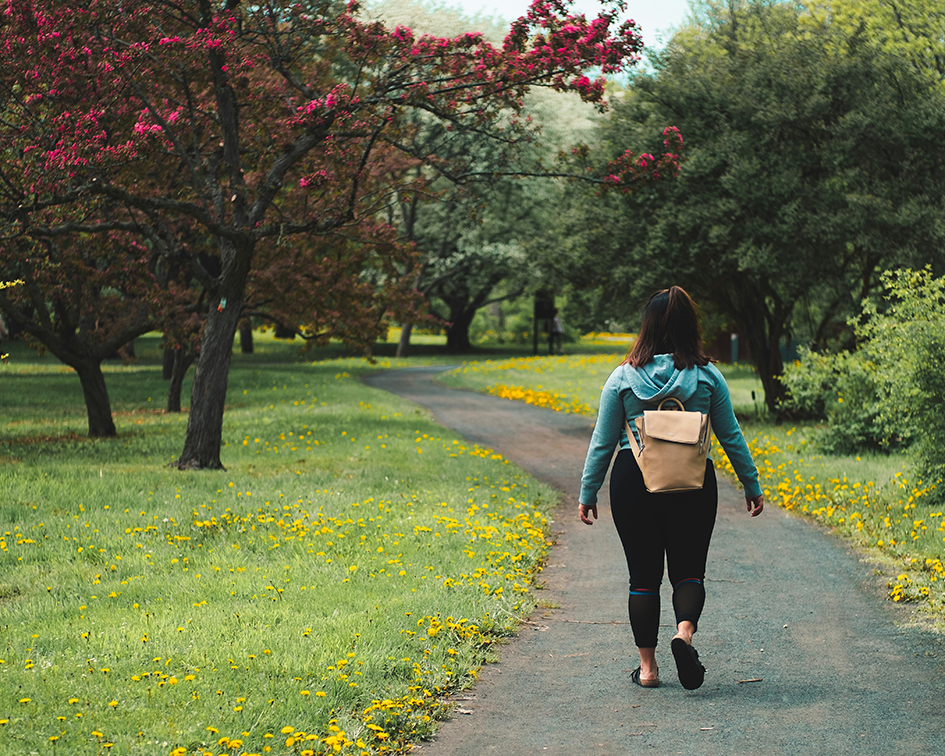
Walking for weight loss can be a manageable way to become more active.
It can support weight management, but results also depend on eating patterns, health, and total activity.
Here is how to build a walking habit with realistic expectations.
Photo by Jeffrey Grospe on Unsplash
In This Article
Can Walking Really Help You Lose Weight?
Walking burns energy and can help create the calorie deficit needed for weight loss. Results vary with your pace, walking time, food intake, and individual circumstances.
Mayo Clinic explains that combining activity with dietary changes is generally more effective for weight loss than exercise alone. Walking can be one useful part of that plan.
Benefits Beyond Weight Loss
Walking can improve fitness without requiring a gym or a complicated routine. A pace and route that feel manageable can make it easier to repeat.
Regular activity can support heart health, sleep, mood, and blood sugar management, even when your weight does not change.
For more options, explore these low-impact activities for women.
Walking for Weight Loss: How Much Is Enough?
For general health, the CDC recommends at least 150 minutes of moderate-intensity aerobic activity each week. This is a health guideline, and the amount of activity needed for weight management varies.
If you are starting out, try 5–10 minutes at a comfortable pace and build gradually. As your fitness improves, a moderate pace should make you breathe faster while still allowing conversation.
One practical option is 30 minutes on five days, split into shorter walks if needed. You can also combine walking with our short daily workout.
Walking After Meals May Offer Extra Benefits
In a small 2013 study led by Loretta DiPietro, 10 adults aged 60 or older who were at risk for glucose intolerance tried three 15-minute walks after meals. These walks improved short-term blood sugar control compared with a day without exercise.
This was a small study of older adults, and it did not establish a weight-loss benefit. A walk after a meal can still be a convenient way to add activity if it feels comfortable.
Common Mistakes That Limit Results
Ignoring the Wider Routine
Several factors affect weight, including food intake, sleep, medicines, and health conditions. Walking can support your goals alongside attention to these factors.
Staying Seated Between Walks
Keep your walk and add brief movement breaks during long periods of sitting.
Measuring Success Only on the Scale
Notice whether the same route feels easier or your pace becomes more comfortable. These changes can matter even without weight loss.
Simple Ways to Walk More Every Day
If you’re new to walking, start small.
You might:
- Take a 10-minute walk after dinner
- Walk while listening to a podcast
- Park farther from store entrances
- Use phone calls as walking time
- Take short movement breaks during work hours
- Invite a friend or family member to join you
Remember, every step counts. Building a habit is often more important than hitting a perfect step goal.
If you’re looking for additional easy ways to stay active, our guide on Simple Daily Movement Routine for Women offers practical ideas that fit into almost any schedule.
Try This Today
Choose a short, familiar route and note how long it takes at a comfortable pace. Save that route as your starting option for busy days, then build on it gradually as walking feels easier.
Frequently Asked Questions
Do I need 10,000 steps a day to lose weight?
No single step target guarantees weight loss. Mayo Clinic suggests finding your usual step count and increasing it gradually to suit your goals and fitness. Time spent walking and the effort involved can be more useful than chasing a fixed number.
Does walking replace strength training?
Walking can contribute to your aerobic activity, but adults also need muscle-strengthening activity on at least two days a week. Include exercises for the major muscle groups, such as suitable bodyweight movements, resistance bands, or weights.
Final Thoughts
Daily walks may seem simple, but simplicity is often what makes a healthy habit sustainable.
Walking can help women burn calories, reduce stress, improve overall health, and support long-term weight management without the pressure of intense workouts or complicated fitness plans.
If you’re looking for a realistic way to become more active, start with a walk.
One walk becomes a routine. A routine becomes a habit. And healthy habits are often where lasting results begin.
If you’re ready to add simple strength training to your routine, explore our guide to the best resistance bands for women to compare beginner-friendly options for home workouts, toning, and building strength.
What helps you fit walking into your day?
Maybe it is a familiar route, a walking partner, or a short break after lunch.
Share your experience in the comments to give another reader a practical idea to try.