
Eating well during pregnancy does not have to mean following a perfect diet.
With so much advice online, it is easy to feel overwhelmed by lists of nutrients, foods to avoid, supplements, and meal rules. But most women can begin with a simpler goal: eat a variety of nourishing foods that support both their own health and their baby’s growth.
Balanced pregnancy meals usually include protein, fruits and vegetables, whole grains or other steady carbohydrates, healthy fats, and pasteurized dairy or a fortified alternative.
Your individual needs may be different depending on your health, age, pregnancy stage, food preferences, nausea, multiple pregnancy, or medical conditions. Use this guide as a starting point and discuss personal nutrition questions with your obstetrician, midwife, or registered dietitian.
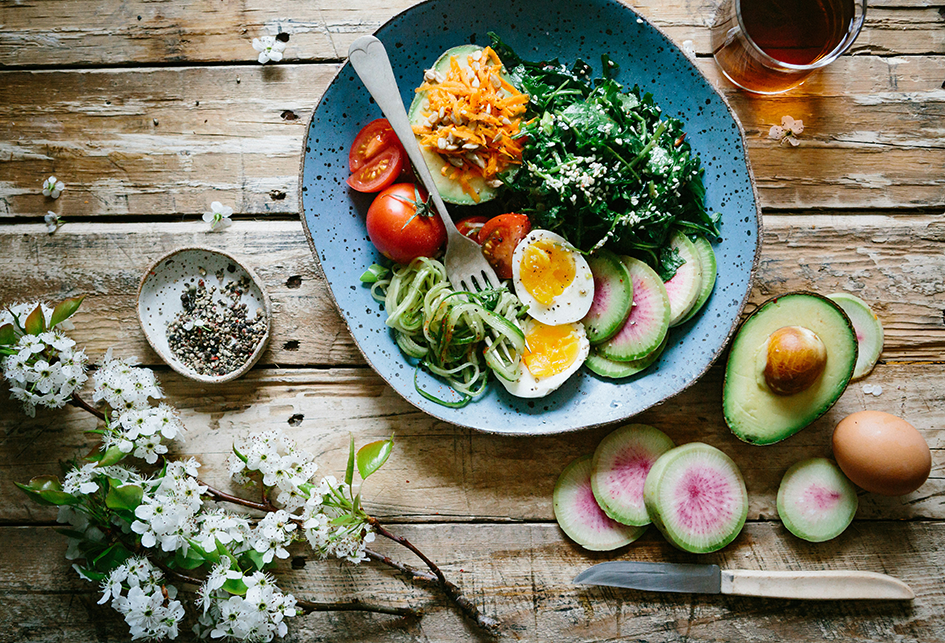
Photo by Brooke Lark on Unsplash
Key Nutrients Your Body Needs
1. Folate and Folic Acid
Folate supports the early development of your baby’s brain and spinal cord.
Food sources include:
- beans and lentils
- dark leafy vegetables
- oranges and other citrus fruits
- peanuts
- fortified breads, pasta, and breakfast cereals
Because food alone may not provide enough folic acid, ACOG recommends taking a daily prenatal vitamin containing at least 400 micrograms of folic acid. The recommended total intake during pregnancy is 600 micrograms per day.
2. Iron
Your body needs more iron during pregnancy to make additional blood and deliver oxygen to your baby.
Good sources include:
- lean meat and poultry
- beans and lentils
- iron-fortified cereals
- spinach and other leafy vegetables
- fish that is safe during pregnancy
Pairing plant-based iron foods with vitamin C sources such as berries, oranges, tomatoes, broccoli, or peppers may help your body absorb iron.
Ongoing fatigue should not automatically be treated with extra iron. Your prenatal care provider can test for anemia and recommend the appropriate supplement if needed.
Pregnant women generally need 27 mg of iron daily, and ACOG recommends testing during pregnancy for anemia rather than independently adding high-dose supplements.
3. Calcium and Vitamin D
Calcium and vitamin D support the development of your baby’s bones and teeth.
Sources include:
- pasteurized milk, yogurt, and cheese
- calcium-fortified plant-based drinks
- sardines
- salmon
- dark leafy vegetables
- eggs and vitamin D-fortified foods
Women aged 19 and older generally need 1,000 milligrams of calcium per day during pregnancy. Teenagers need more.
4. Choline and Iodine
Choline is important for the development of your baby’s brain and spinal cord, while iodine supports brain development and thyroid function.
Choline sources include:
- eggs
- milk
- soy foods
- peanuts
- meat
Iodine sources include:
- iodized salt
- dairy products
- eggs
- seafood
- some breads
Not every prenatal vitamin contains the same amount of choline or iodine, so discuss your supplement and diet with your prenatal care provider.
5. Protein
Protein supports the growth of your baby, placenta, uterus, and maternal tissues.
Choose a variety of sources, such as:
- fully cooked eggs
- chicken and turkey
- beans, peas, and lentils
- pasteurized Greek yogurt
- tofu and other soy foods
- nuts and seeds
- lower-mercury fish
6. Healthy Fats and Omega-3s
Healthy fats provide energy and support the development of the placenta and your baby’s organs.
Helpful sources include:
- avocado
- olive oil
- nuts and seeds
- nut butter
- salmon and other lower-mercury fish
Pregnant women are generally encouraged to eat 8 to 12 ounces of lower-mercury fish each week. Suitable choices can include salmon, shrimp, sardines, pollock, and tilapia.
If low energy has been making pregnancy harder, our guide to pregnancy fatigue and what may help looks at common reasons and when tiredness deserves more attention..
Simple Pregnancy Meal Ideas
Pregnancy meals do not need to be complicated.
Try combinations such as:
- oatmeal made with pasteurized milk or fortified soy milk, topped with berries and nuts
- fully cooked eggs with whole-grain toast, avocado, and fruit
- lentil soup with whole-grain bread and pasteurized yogurt
- cooked chicken or salmon with brown rice and vegetables
- a bean and vegetable bowl with quinoa and olive oil
- pasteurized Greek yogurt with berries, oats, and chia seeds
For snacks, try fruit with nut butter, pasteurized cheese with whole-grain crackers, yogurt with fruit, or hummus with washed vegetables.
Foods and Drinks to Limit or Avoid During Pregnancy
Food safety is especially important during pregnancy.
Avoid:
- raw or undercooked meat, poultry, seafood, and eggs
- raw fish, including sushi and sashimi
- unpasteurized milk, cheese, juice, or cider
- raw sprouts
- unwashed fruits and vegetables
- refrigerated pâté and premade deli salads
- high-mercury fish such as shark, swordfish, king mackerel, marlin, orange roughy, tilefish, and bigeye tuna
- alcohol
Deli meats, cold cuts, hot dogs, and dry sausages should be reheated until steaming hot before eating.
Limit total caffeine from coffee, tea, chocolate, soft drinks, and energy drinks to less than 200 milligrams per day unless your prenatal care provider gives you different guidance.
Do You Need a Prenatal Vitamin?
A balanced diet is important, but food alone may not provide every nutrient needed during pregnancy.
ACOG recommends taking a prenatal vitamin every day. A prenatal vitamin commonly includes folic acid, iron, vitamin D, and other important nutrients, although formulas vary.
Do not double the recommended dose or add separate vitamins, minerals, or herbal supplements without speaking with your prenatal care provider. More is not always better, and some nutrients can be harmful in excessive amounts.
Simple Tips for Eating Well During Pregnancy
You do not need to eat perfectly every day.
Helpful habits may include:
- eat regular meals and snacks when possible
- include protein with meals
- choose a variety of fruits and vegetables
- add whole grains and other fiber-rich foods
- drink fluids throughout the day
- wash produce carefully
- choose pasteurized dairy products
- cook meat, fish, poultry, and eggs thoroughly
- keep your prenatal appointments
- ask for help if nausea, food aversions, or dietary restrictions make eating difficult
If smaller, more frequent meals feel better during periods of nausea, use that approach rather than forcing large meals.
For more practical ideas between meals, read Healthy Snacks for Women That Support Energy and Cravings.
When to Talk to Your Healthcare Provider
Contact your obstetrician, midwife, or other prenatal care provider if nausea or vomiting prevents you from keeping down food or liquids, you begin losing weight, you notice signs of dehydration, or eating becomes extremely difficult.
You should also ask for individualized guidance if you have anemia, diabetes, food allergies, digestive disease, a vegetarian or vegan diet, an eating disorder, multiple pregnancy, or another medical condition that affects nutrition.
Pregnancy nutrition is not one-size-fits-all. Getting personal advice is part of supporting both your health and your pregnancy.
Frequently Asked Questions
What should I eat every day during pregnancy?
There is no single perfect pregnancy menu.
Try to include a variety of protein-rich foods, fruits and vegetables, whole grains or other fiber-rich carbohydrates, healthy fats, and pasteurized dairy or fortified alternatives.
Your prenatal vitamin helps cover nutrients that may be difficult to get consistently from food alone.
Do I need to eat more food as soon as I become pregnant?
Not necessarily.
Energy needs change as pregnancy progresses and also depend on your body, activity level, and whether you are carrying more than one baby.
Rather than simply “eating for two,” focus on nourishing foods and follow your prenatal care provider’s advice about appropriate weight gain and energy needs.
Which foods are most important during pregnancy?
No single food provides everything you and your baby need.
Foods rich in folate, iron, calcium, iodine, choline, protein, healthy fats, and other essential nutrients all contribute to a balanced pregnancy diet.
Variety matters more than relying on one “superfood.”
Is it safe to eat fish during pregnancy?
Yes, appropriate fish can be an important part of pregnancy nutrition.
FDA guidance recommends 8 to 12 ounces per week of lower-mercury fish, such as salmon, shrimp, sardines, pollock, and tilapia.
High-mercury species should be avoided.
Do I still need a prenatal vitamin if I eat a healthy diet?
Usually, yes.
A balanced diet is important, but pregnancy increases the need for several nutrients, and it can be difficult to meet every requirement consistently through food alone.
Take the prenatal vitamin recommended by your healthcare provider and avoid adding extra supplements unless advised to do so.
What if nausea makes healthy eating difficult?
Eat what you can tolerate rather than trying to follow a perfect meal plan.
Smaller, more frequent meals or snacks may feel easier than large meals.
Talk with your prenatal care provider if nausea or vomiting prevents you from keeping down food or liquids, causes weight loss, or leads to signs of dehydration.
Final Thoughts
Eating well during pregnancy is not about creating a perfect menu.
It is about choosing a variety of nourishing foods, taking your recommended prenatal vitamin, following food-safety guidance, and asking for help when nausea, fatigue, medical conditions, or food restrictions make eating more difficult.
Start with simple meals you can tolerate and enjoy. Include protein, fruits and vegetables, steady carbohydrates, healthy fats, and enough fluids whenever possible.
Every pregnancy is different. Your prenatal care provider can help you adjust your diet and supplements to your individual health needs.
The goal is not perfection. It is giving yourself consistent nourishment, reliable information, and the support you deserve throughout pregnancy.
What has been your biggest challenge with eating during pregnancy?
Are there any foods that make you feel better or give you more energy?
Share your experience in the comments — your tips might help other moms-to-be.