

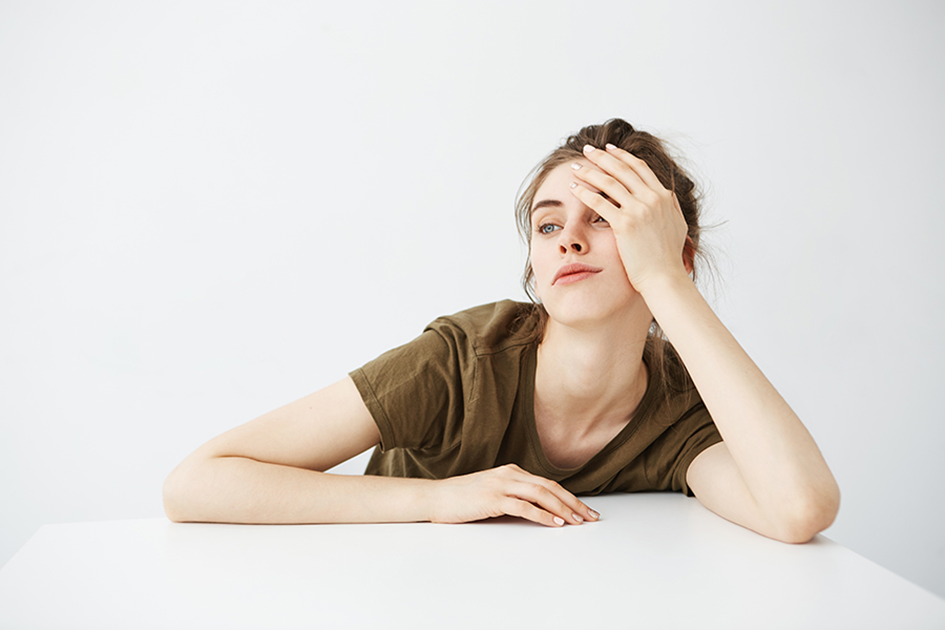
Do you often feel tired even after getting what seems like enough sleep?
You are not alone. Many women experience periods of low energy, brain fog, poor concentration, or a heavy, drained feeling that makes everyday responsibilities more difficult.
Sometimes fatigue is connected to sleep, stress, hydration, nutrition, caffeine, or too little movement. But ongoing tiredness can also be related to iron deficiency, hormonal changes, sleep disorders, medication, mental health, thyroid conditions, diabetes, or another health issue.
That is why fatigue should be treated as a symptom, not a diagnosis.
Below are seven common reasons you may feel tired, plus realistic steps that may help and signs that it is time to speak with a healthcare professional.
Image credit: Photo by Freepik
Feeling Tired Is a Symptom, Not a Diagnosis
Everyone feels tired occasionally, especially after poor sleep, a stressful week, illness, travel, or an unusually demanding period.
But fatigue that continues for several weeks, does not improve with rest, or begins affecting your work, relationships, concentration, or everyday life deserves more attention.
There is no single test or lifestyle habit that explains every case of tiredness. Looking at your sleep, meals, menstrual cycle, stress, movement, medications, and other symptoms can help you notice useful patterns without trying to diagnose yourself.
1. You Are Not Getting Restorative Sleep
The number of hours you spend in bed does not always show how restorative your sleep is.
You may wake up tired because of:
- an inconsistent sleep schedule
- difficulty falling or staying asleep
- stress or nighttime overthinking
- caffeine too late in the day
- noise, light, or an uncomfortable bedroom
- a sleep disorder such as sleep apnea
Try keeping a reasonably consistent bedtime and wake-up time, reducing late-night screen use, and creating a dark, quiet, comfortable sleep environment.
If you snore loudly, wake up gasping, experience morning headaches, or feel extremely sleepy during the day, talk with a healthcare professional. These can be signs of sleep apnea rather than simply a poor bedtime routine.
For more support, read Simple Evening Habits for a Calmer Mind and Better Sleep.
2. Your Meals May Not Be Supporting Steady Energy
Skipping meals, eating too little, or relying mainly on sugary snacks and refined carbohydrates may leave you feeling hungry, foggy, or drained later in the day.
Try building meals that include:
- protein
- fiber-rich carbohydrates
- fruits or vegetables
- healthy fats
- enough overall food for your needs
Examples include eggs with whole-grain toast, Greek yogurt with fruit and oats, a bean and vegetable bowl, or chicken with rice and vegetables.
However, persistent tiredness is not always something that can be solved by eating differently.
Iron deficiency is especially important for women to consider. Heavy menstrual bleeding, pregnancy, certain digestive conditions, or low iron intake may contribute to iron-deficiency anemia, which commonly causes fatigue, weakness, dizziness, headaches, shortness of breath, or noticeable heartbeats.
Do not begin high-dose iron supplements based only on tiredness. A healthcare professional can perform blood tests and determine whether iron deficiency is actually present.
3. You May Not Be Drinking Enough Fluids
Not drinking enough fluids may leave you feeling headachy, light-headed, less focused, or unusually tired.
Keep water available during the day and drink regularly rather than waiting until you feel extremely thirsty.
You may need more fluids during hot weather, exercise, pregnancy, breastfeeding, fever, vomiting, or diarrhea.
Water is usually the simplest option. Sugary drinks and large amounts of caffeine should not be your main source of hydration.
4. Hormonal Changes May Be Part of the Picture
Energy can change during different stages of a woman’s life.
Some women notice more fatigue:
- before or during their period
- during pregnancy
- after giving birth
- during perimenopause or menopause
- during periods of significant stress
But tiredness alone does not prove that your hormones are “out of balance.”
Fatigue can also be connected to thyroid conditions, iron deficiency, sleep problems, depression, medication, or other health issues. Notice whether your tiredness follows a pattern, but avoid trying to diagnose a hormonal condition from symptoms alone.
For more context, read 10 Subtle Signs Your Hormones Are Out of Balance.
5. Chronic Stress May Be Draining Your Mental Energy
Long periods of stress can make both your mind and body feel exhausted.
You may notice:
- difficulty switching off
- irritability
- tense muscles
- poor sleep
- reduced concentration
- emotional numbness
- feeling overwhelmed by small tasks
Helpful starting points may include taking short breaks, reducing unnecessary notifications, spending time outside, writing down what feels mentally heavy, or talking with someone you trust.
But rest alone may not be enough if fatigue appears alongside persistent sadness, hopelessness, anxiety, panic, or loss of interest in things you normally enjoy.
You may also find Signs You May Be Mentally Exhausted and Need a Real Break helpful.
6. You May Be Moving Too Little – or Pushing Too Hard
Long periods of sitting and very little movement may leave your body feeling stiff, sluggish, or low in energy.
A short walk, gentle stretching, light strength work, or another activity you enjoy can be a realistic place to start.
You do not need to complete a difficult workout. Some movement is better than none, and activity can be divided into shorter sessions throughout the week.
At the same time, more exercise is not always the answer. If physical or mental activity causes a severe worsening of fatigue that lasts for days, or everyday activity feels unusually difficult, speak with a healthcare professional rather than forcing yourself to push harder.
7. Caffeine May Be Affecting Your Sleep and Energy Cycle
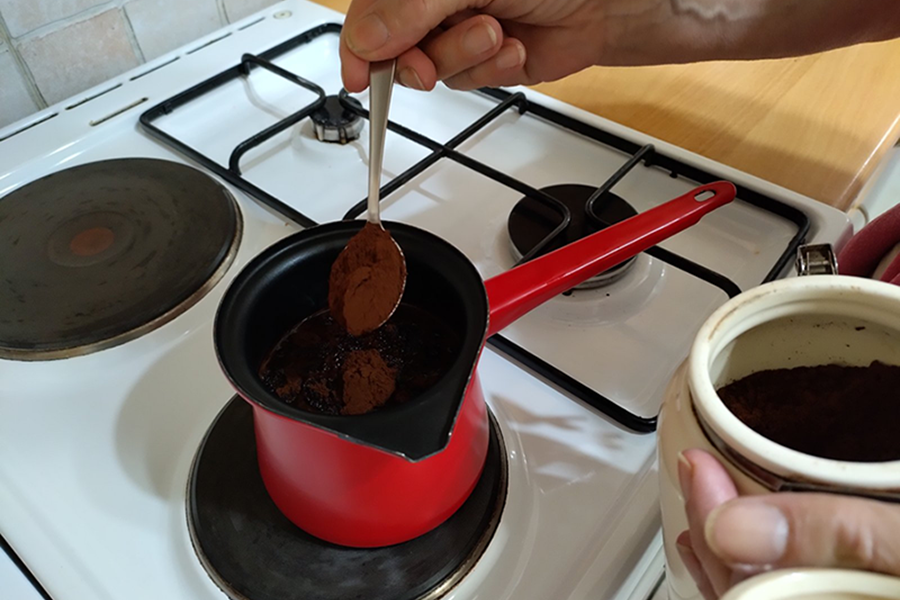
Caffeine can temporarily make you feel more alert, but it does not replace sleep or address the underlying cause of fatigue.
If caffeine is consumed late in the day or in amounts that are too high for your body, it may make it harder to fall asleep, increase anxiety, or reduce sleep quality. That can leave you more tired the next day and more dependent on another caffeine boost.
Instead of following one universal coffee limit, notice:
- how late you consume caffeine
- whether it makes you anxious or shaky
- whether it delays sleep
- whether you use it instead of eating or resting
- whether your energy crashes when it wears off
Try moving your final caffeinated drink earlier and reducing the amount gradually if needed.
Simple Habits That May Support Better Energy
You do not need to change everything at once.
Start with a few basics:
- keep a reasonably consistent wake-up time
- get natural light in the morning
- eat regular, balanced meals
- drink fluids throughout the day
- move your body in a way that feels manageable
- notice how caffeine affects your sleep
- create a calmer transition into bedtime
- track when fatigue feels better or worse
- allow time for recovery during stressful periods
A short sleep-and-energy diary can help you notice whether your tiredness follows your cycle, meals, sleep quality, stress, medication, or activity level.
When to Talk to a Healthcare Professional
Talk to a healthcare professional if you have been tired for several weeks, cannot explain why, or notice that fatigue is affecting your daily life.
You should also seek medical guidance if tiredness appears with:
- unexplained weight loss or weight change
- very heavy periods
- shortness of breath
- chest pain
- dizziness or fainting
- rapid or irregular heartbeat
- pale skin
- excessive thirst or frequent urination
- persistent low mood or loss of interest
- loud snoring, gasping, or choking during sleep
- severe daytime sleepiness
- fever, ongoing pain, or other new symptoms
A healthcare professional may ask about your sleep, menstrual cycle, diet, stress, medication, and medical history. Depending on your symptoms, blood tests may be used to check for conditions such as anemia, diabetes, or thyroid problems.
Do not assume that persistent fatigue is something you simply need to push through.
Final Thoughts
Feeling tired occasionally is part of being human.
But feeling exhausted most days is not something you should automatically blame on laziness, poor discipline, or a lack of motivation.
Sleep, balanced meals, hydration, manageable movement, less stress, and more thoughtful caffeine habits may help you feel more supported. But lasting fatigue can also be your body’s way of signaling that something needs professional attention.
Start with the habits you can realistically improve, and pay attention to patterns.
If your energy does not improve, ask for help. Getting answers is not overreacting — it is part of taking good care of yourself.
Maybe improving your sleep, meals, hydration, movement, or caffeine habits has helped you notice a difference.
Share what has helped your energy in the comments below — your experience may help another woman feel less alone.