If you reach for a warm cup after a busy day, choosing a tea can be as much about taste and routine as health. Finding the best herbal teas starts with knowing what is in the cup and what the evidence actually supports.
“Behavioral changes really do help get your head in the right place so you can anticipate going to sleep,” says Beth Czerwony, RD, LD, in a Cleveland Clinic guide to bedtime teas.
This guide looks at popular tea options for evening routines and after meals. Studies of extracts and peppermint-oil capsules do not automatically establish the same benefits for brewed tea.
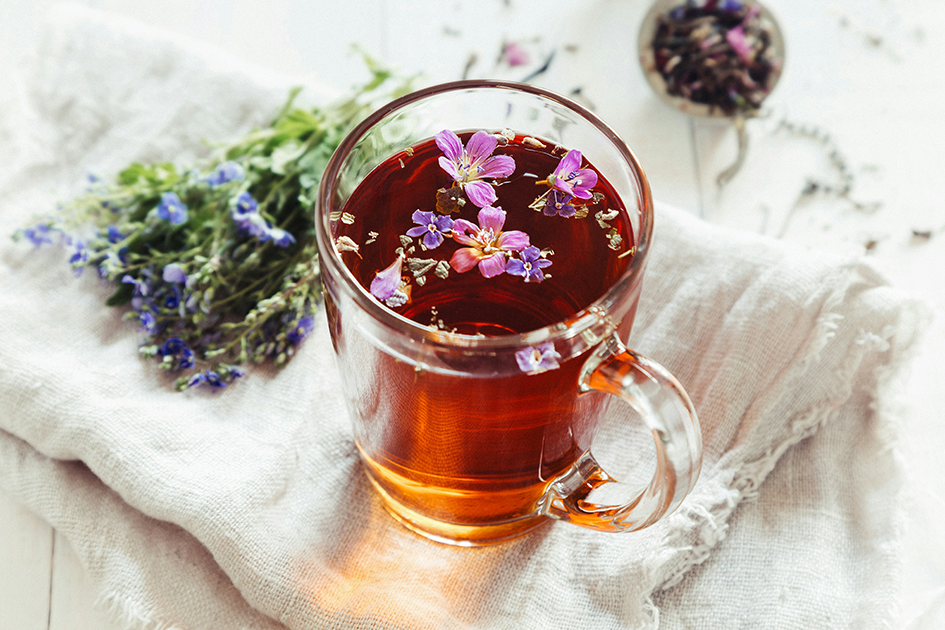
Image credit: Photo by Elena Leya on Unsplash
Affiliate Disclosure
As an Amazon Associate, I earn from qualifying purchases. This article contains affiliate links, which may earn BloomHerLife a commission at no extra cost to you. Thank you for supporting BloomHerLife.
1. Chamomile Tea: What the Sleep Research Shows
If you enjoy a soft floral flavor, chamomile tea can be a caffeine-free option for your evening routine.
A trial published in 2016 included 80 postpartum women with poor sleep. Compared with usual care, two weeks of chamomile tea improved one sleep-related score, but the groups no longer differed at four weeks. This small, short study does not establish lasting benefits or effects in other groups.
NIH’s chamomile guidance notes that evidence for treating insomnia is very limited. It also describes possible medicine interactions and a higher allergy risk in people sensitive to ragweed or related plants. Safety during pregnancy or breastfeeding is not well established.
Check the ingredients and follow the package instructions when preparing your tea. Pair it with a calmer evening routine that also includes regular sleep times and time away from screens.
2. Peppermint Tea After Meals
Peppermint tea brings a fresh mint flavor to an after-meal break. The evidence for its digestive benefits depends on the preparation.
NIH’s peppermint review describes some evidence that enteric-coated peppermint-oil capsules may improve symptoms of irritable bowel syndrome (IBS) in adults. Research on peppermint leaves is much more limited, so capsule findings do not establish that a cup of tea will relieve bloating.
The European Medicines Agency also notes that peppermint-leaf preparations can worsen reflux and heartburn. If you have these symptoms, choose another drink.
For more everyday ideas, explore our guide to morning habits for better digestion.
3. Ginger Tea for Comfort and Warmth
Ginger tea has a bold, spicy flavor that can make a warming alternative to gentler floral teas.
NIH’s ginger guidance describes evidence that ginger may help with pregnancy-related nausea and vomiting. Most studies tested supplements rather than foods, so those findings do not establish that a particular ginger tea will have the same effect.
Ginger can also cause heartburn or stomach discomfort. If you take medicines, are pregnant, or are breastfeeding, check with a healthcare professional before using ginger products to manage symptoms.
For a packaged option, compare Traditional Medicinals Organic Ginger Aid Herbal Tea by its ingredients, flavor, and preparation instructions. Follow the brewing directions rather than treating a cup as equivalent to a supplement dose.
For a broader look at food choices, explore our guide to foods for reducing bloating.
4. Bedtime Blends: Check the Ingredients
Two boxes labeled “bedtime tea” can contain quite different herbs. Start with the ingredient list, especially if you are looking for lemon balm.
The European Medicines Agency recognizes traditional medicinal use of lemon balm leaf for mild stress, sleep support, and mild digestive symptoms. Its assessment cites insufficient clinical trial evidence and does not cover combinations with other herbs.
If you are considering Celestial Seasonings Sleepytime Herbal Tea, check the exact version you are buying. The manufacturer’s ingredient list for the classic blend includes chamomile, spearmint, and lemongrass, but does not list lemon balm. Lemon balm and lemongrass are different plants.
Choose a blend by its ingredients and flavor, with realistic expectations about its effects. Evidence about one herb does not establish that a finished blend treats insomnia.
5. Green Tea for Earlier in the Day
Green tea is a true tea made from Camellia sinensis leaves. According to NIH’s green tea guidance, it contains caffeine.
NIH’s sleep guidance notes that caffeine’s effects can last up to eight hours. An afternoon cup may therefore interfere with sleep, particularly if you are sensitive to caffeine.
Enjoy green tea earlier in the day, and choose a caffeine-free herbal drink for your evening ritual. For everyday food ideas, explore our guide to what to eat for energy.
How to Create a Relaxing Tea Ritual
Let preparing your cup mark the start of a few quiet minutes.
- Check the blend’s ingredients and caffeine information.
- Follow the brewing instructions on the package.
- Read a few pages, listen to quiet music, or put your screens aside while you enjoy your drink.
- Have your tea earlier in the evening if a late cup leads to bathroom trips during the night.
For loose-leaf tea, the OXO BREW Twisting Tea Ball Infuser is one option. Check whether its size fits your cup, allows room for the leaves, and makes cleaning practical for your routine.
When to Get Medical Advice
Talk with a healthcare professional if sleep difficulties continue for a week or two, especially if you struggle to concentrate or stay alert during the day.
NIDDK’s symptom guidance recommends seeking medical advice when bloating is bothersome, changes suddenly, or occurs with abdominal pain, constipation, diarrhea, or unintended weight loss.
Frequently Asked Questions
Is decaffeinated tea completely caffeine-free?
No. FDA’s caffeine guidance explains that decaffeinated tea still contains some caffeine. For an evening cup, look for a caffeine-free blend and check its full ingredient list.
Are loose-leaf teas better than tea bags for sleep or digestion?
The evidence presented here does not establish that loose-leaf tea provides stronger sleep or digestive benefits than tea bags. Choose the format you find convenient, then compare the herbs, caffeine information, and brewing directions.
How do I choose the best herbal teas if I take medication?
Ask a pharmacist or your healthcare professional to review the exact blend’s ingredient list alongside your medicines and supplements. The appropriate choice depends on the herbs and possible interactions.
Final Thoughts
The best herbal teas for you depend on the ingredients, flavor, caffeine content, and how your body responds. Enjoy your cup as part of a quiet routine, with health expectations based on evidence for that particular herb and preparation.
Which tea flavor do you enjoy most: floral, minty, or spicy?
Is your tea ritual part of a morning pause, an after-meal break, or your evening routine?
Share your favorite tea ritual in the comments to give another woman an idea for her next quiet moment.