

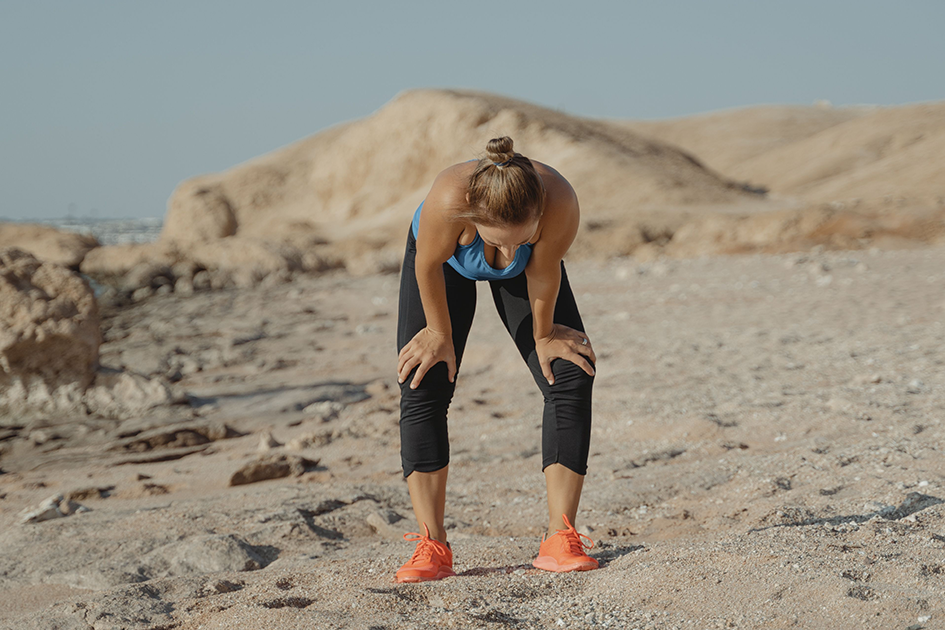
You’ve been exercising consistently for weeks or even months. You follow workout videos, go for walks, complete your planned workouts, and make an effort to stay active throughout the week.
Despite all that effort, you may still feel disappointed when you look in the mirror, step on the scale, or assess how you feel physically because the changes you expected haven’t appeared yet.
If this sounds familiar, you’re far from alone. Many women become frustrated when fitness results don’t arrive as quickly as they hoped. The reality is that progress depends on much more than the workouts themselves. Factors such as sleep, nutrition, stress levels, daily movement, and expectations all play important roles in determining the results you see.
The encouraging news is that you may not need to work harder. In many cases, a few adjustments to your overall lifestyle can help you get more from the effort you’re already putting in.
Image credit: Photo by Tima Miroshnichenko on Pexels
You’re Expecting Results Too Quickly
One of the most common reasons women feel stuck is simply that they expect visible changes too soon. Social media often showcases dramatic transformations that appear to happen overnight, but those stories rarely reflect reality.
Meaningful fitness progress takes time. Your body needs weeks and months to build strength, improve endurance, adapt to exercise, and make noticeable changes in body composition. Unfortunately, many people become discouraged and quit before those changes have a chance to appear.
While it’s natural to want quick results, long-term consistency almost always produces better outcomes than short bursts of intense effort followed by burnout.
You’re More Active During Workouts, But Less Active Overall
Completing a workout is beneficial, but it represents only a small portion of your day. If you exercise for 30 minutes and then spend most of the remaining hours sitting, your overall activity level may still be relatively low.
Researchers often refer to everyday movement outside of structured exercise as non-exercise activity. This includes activities such as:
- Walking
- Housework
- Taking the stairs
- Standing more often
- Moving around during the workday
Although these activities may seem insignificant on their own, they can contribute substantially to your overall energy expenditure and fitness level over time. Increasing daily movement often provides benefits that complement your workout routine and support long-term progress.
If you’re looking for simple ways to increase your daily movement, our guide on Simple Daily Movement Routine for Women shares easy habits that fit into almost any schedule.
You’re Not Getting Enough Sleep
Sleep is one of the most overlooked factors in fitness success. While many people focus heavily on workouts and nutrition, recovery often receives far less attention than it deserves.
During sleep, your body repairs tissues, recovers from exercise, regulates hormones, and performs numerous functions that support overall health.
When sleep quality or duration suffers, several areas of fitness can be affected, including:
- Energy levels
- Motivation
- Recovery
- Hunger cues
- Exercise performance
According to the National Sleep Foundation, most adults need between seven and nine hours of sleep each night for optimal health.
If you’re consistently feeling tired, improving your sleep habits may have a greater impact on your progress than adding extra workouts to your schedule.
Your Nutrition Doesn’t Match Your Goals
Exercise is important, but it cannot fully compensate for nutritional habits that don’t support your goals.
Some women unknowingly consume more calories than they realize, particularly after workouts when appetite increases. Others take the opposite approach and eat too little, leaving their bodies without enough fuel to recover properly and perform well.
Rather than focusing on restrictive diets or extreme eating plans, it can be more helpful to build meals around:
- Protein-rich foods
- Fruits and vegetables
- Fiber-rich meals
- Adequate hydration
- Consistent eating habits
Good nutrition supports recovery, energy levels, and overall wellness, making it easier for your workouts to produce meaningful results.
You’re Comparing Yourself to Other Women
Comparison is one of the fastest ways to lose motivation. Every woman begins her fitness journey from a different starting point, and numerous factors influence how quickly progress occurs.
Age, genetics, lifestyle habits, stress levels, sleep quality, and medical history can all affect results. Because of these differences, comparing your progress to someone else’s often creates unrealistic expectations.
Instead of focusing on another person’s timeline, pay attention to your own improvements. Small gains in strength, endurance, confidence, or consistency are still signs of progress, even if they don’t seem dramatic.
Stress May Be Working Against You
Stress is another factor that can quietly interfere with fitness progress. When stress remains elevated for long periods, it can influence sleep quality, recovery, eating habits, motivation, and overall energy levels.
Research from the American Psychological Association highlights the wide-ranging effects chronic stress can have on both physical and mental health.
This doesn’t mean stress makes fitness goals impossible to achieve. However, it does suggest that stress management deserves attention alongside exercise and nutrition. Activities such as walking, meditation, journaling, spending time outdoors, or simply creating more downtime can support both mental well-being and physical progress.
You’re Measuring Success in Only One Way
Many women judge their progress solely by the number on the scale. While weight can be one useful measurement, it doesn’t tell the whole story.
Fitness improvements often appear in other ways before significant weight changes occur. These may include:
- More energy
- Improved strength
- Better sleep
- Improved mood
- Greater endurance
- Better mobility
- Healthier daily habits
Recognizing these victories can help you stay motivated during periods when visible changes seem slow. Looking at the bigger picture often provides a more accurate view of your overall progress.
If you want a realistic home workout plan, you may also enjoy How to Tone Your Body at Home (Simple Plan That Actually Works).
What To Do Instead
If you’re exercising regularly but not seeing the results you expected, resist the urge to assume your efforts are pointless. Instead, take a step back and evaluate the factors that influence fitness beyond your workouts.
Ask yourself:
- Am I moving enough throughout the day?
- Am I getting enough sleep?
- Am I managing stress effectively?
- Am I eating in a way that supports my goals?
- Have I given myself enough time?
In many cases, the solution isn’t exercising harder or longer. It’s creating a balanced lifestyle that supports recovery, consistency, and long-term health.
Daily walks can also make a meaningful difference. Learn more in Walking for Weight Loss: Can Daily Walks Really Help Women Slim Down.
Conclusion
Fitness results rarely come from a single workout, a perfect week, or a short-term challenge. More often, they are the product of small habits repeated consistently over time.
If you’re exercising regularly and not seeing immediate changes, don’t assume you’re failing. Progress isn’t always visible right away, and your body may be improving in ways that aren’t obvious yet.
Stay patient, continue showing up for yourself, and focus on building sustainable habits that support your health and well-being. Lasting fitness success isn’t about perfection—it’s about consistency maintained over the long term.
If you’re ready to add simple strength training to your routine, explore our guide to the best resistance bands for women to compare beginner-friendly options for home workouts, toning, and building strength.
Have you ever felt like you’re working hard but not seeing the fitness results you expected?
Which challenge has been the biggest obstacle for you: consistency, sleep, stress, nutrition, or something else?
Share your experience in the comments. Your story may help encourage another woman on her wellness journey.