
You do not need a gym membership or long workouts to start building strength at home.
For many women, “toning” simply means feeling stronger, improving muscle definition, supporting posture, and becoming more consistent with movement. It does not require extreme routines, punishing workouts, or trying to change your body overnight.
A realistic at-home plan can include simple strength exercises, daily movement, enough recovery, and nourishing meals that support your body.
Here is a simple beginner-friendly plan you can do at home to build strength, feel more confident, and move with more energy over time.
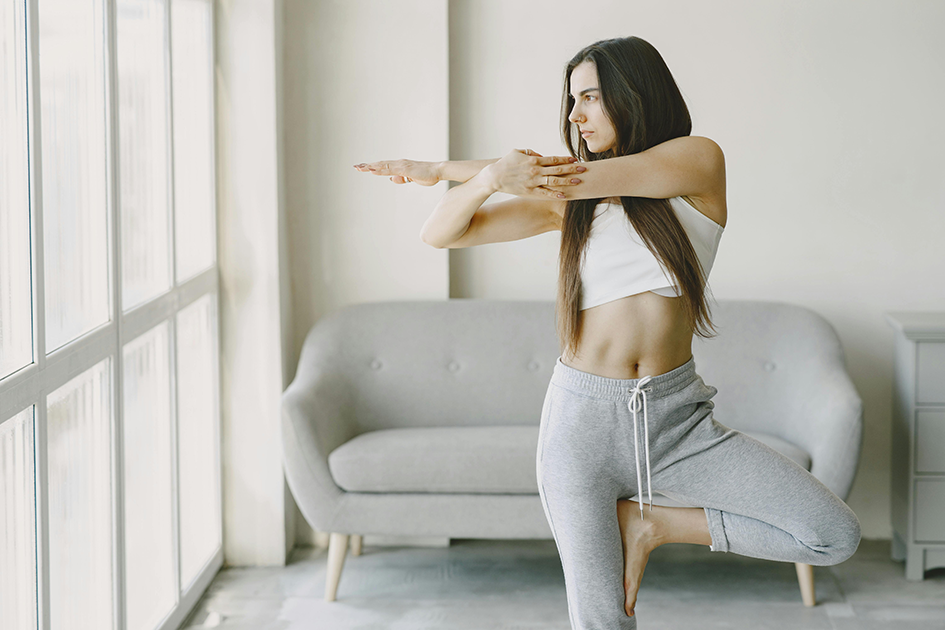
Image credit: Photo by Gustavo Fring on Pexels
What Does “Toning” Really Mean?
“Toning” is not a separate type of exercise. In everyday language, it usually means building strength, improving muscle definition, and feeling firmer or more supported in your body.
This often comes from a combination of:
- strength exercises
- daily movement
- enough protein and nourishing meals
- recovery and sleep
- consistency over time
Your results will depend on many factors, including your starting point, genetics, routine, nutrition, stress, sleep, and overall health. The goal is not perfection. The goal is to feel stronger and more connected to your body.
Why Strength Training Matters
Strength training is not only about how your body looks. It can support everyday movement, posture, balance, muscle strength, and confidence in daily life.
The CDC recommends that adults include muscle-strengthening activities at least 2 days per week, along with regular aerobic activity such as walking, cycling, or other moderate movement. That means a simple home routine can be a meaningful part of a healthy lifestyle when it is done consistently and safely.
Simple At-Home Plan
You can follow this routine 2–4 times per week, depending on your fitness level, energy, and recovery.
Start with 1–2 rounds. As you feel stronger, you can slowly add another round or increase repetitions.
1. Lower Body Focus
Try:
- squats
- reverse lunges
- glute bridges
- step-ups
These moves help strengthen the legs, glutes, and hips. Move slowly and focus on control instead of rushin
2. Upper Body Focus
Try:
- modified push-ups
- wall push-ups
- arm circles
- light dumbbell or resistance band rows
- shoulder presses with light weights or water bottles
Upper body strength can support posture, daily tasks, and a more balanced routine.
3. Core Strength
Try:
- plank
- dead bug
- bird dog
- heel taps
Core work is not only about the stomach area. A stronger core can help support posture, balance, and everyday movement.
If you prefer shorter workouts, try this.
A Simple Weekly Plan
Here is one easy way to structure your week:
- Monday: At-home strength routine
- Tuesday: Walk or gentle movement
- Wednesday: Rest or stretching
- Thursday: At-home strength routine
- Friday: Walk or low-impact movement
- Weekend: Rest, light activity, or one extra short workout
You do not need to follow this perfectly. Use it as a flexible guide and adjust it to your body, schedule, and energy.
Don’t Skip Daily Movement
Strength workouts matter, but daily movement matters too.
Walking, stretching, light housework, taking the stairs, or moving between long periods of sitting can all help your body feel more active and supported.
The CDC notes that adults benefit from a mix of aerobic activity and muscle-strengthening activity each week. So your home workouts do not need to replace walking or gentle daily movement – they can work together.
For a softer way to stay active, read Daily Movement for Women: Simple Ways to Move More Without Overdoing It.
For a gentler way to stay active between strength workouts, read Simple Daily Movement Routine for Women: 10 Easy Ways to Feel Stronger and More Energized.
Nutrition Matters Too
Exercise works better when your body is supported with enough fuel.
You do not need a strict diet to build strength at home. Focus on meals that include protein, fiber, healthy fats, and steady carbohydrates.
Helpful basics include:
- protein with meals
- whole foods more often
- enough water
- fruits and vegetables
- balanced meals instead of extreme restriction
- regular meals if skipping food leads to low energy or cravings
Food should support your workouts, energy, recovery, and overall well-being — not become another source of pressure.
For more meal ideas, read What to Eat for Energy: 12 Foods That Support Steady Energy.
Safety Tips Before You Start
A home workout should challenge you, but it should not cause sharp pain.
Keep these simple safety tips in mind:
- warm up for a few minutes before exercising
- move slowly and focus on form
- start with easier versions when needed
- stop if you feel sharp pain, dizziness, chest pain, or unusual shortness of breath
- rest between workouts
- increase difficulty gradually
If you are pregnant, recently postpartum, recovering from injury, living with a chronic condition, or unsure whether an exercise is safe for you, talk to a qualified healthcare professional before starting a new routine.
CDC guidance also notes that adults with chronic conditions or disabilities can be active, but activity should be adapted to ability and health status.
Tips for Feeling Stronger Over Time
Better results usually come from consistency, not intensity.
Try to:
- repeat the routine 2–4 times per week
- focus on proper form
- choose exercises you can do safely
- combine strength workouts with daily movement
- rest when your body needs recovery
- eat enough to support your energy
- track progress by strength, posture, confidence, and consistency — not only appearance
Progress may be slow at first, and that is normal. Small improvements count.
Final Thoughts
You do not need complicated workouts to start building strength at home.
A simple plan with lower body exercises, upper body moves, core work, daily movement, recovery, and nourishing meals can help your body feel stronger and more supported over time.
Start small. Choose a few exercises, move with good form, and repeat them consistently.
The goal is not to force quick changes. The goal is to build a routine that helps you feel stronger, more confident, and more at home in your body.
What is your main goal right now — feeling stronger, toning your body, or having more energy?
Do you prefer short workouts or longer routines at home?
Share your experience in the comments — your journey might motivate other women to start.