

For many women, the idea of strength training can feel a little intimidating at first.
It’s easy to picture heavy barbells, intense gym sessions, or workouts meant only for athletes. Some women also worry that lifting weights will make them look bulky or overly muscular.
The reality is much different.
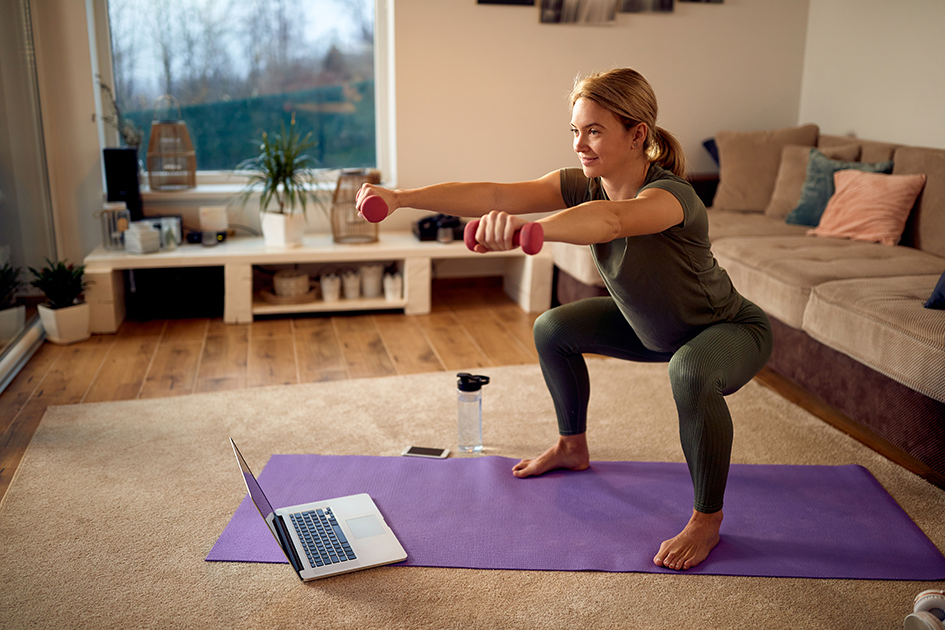
Strength training is one of the best things you can do for your overall health and fitness, and you don’t need a gym membership or expensive equipment to get started. Many effective strength exercises can be done right at home using only your body weight or a few simple fitness tools.
If you’re new to strength training, here’s why it’s worth considering and how you can begin with confidence.
What Is Strength Training?
Strength training is any type of exercise that makes your muscles work against resistance.
That resistance can come from:
- Your own body weight
- Resistance bands
- Dumbbells
- Kettlebells
- Weight machines
When your muscles are challenged regularly, they gradually adapt and become stronger over time.
While many people associate strength training with building muscle, its benefits go far beyond appearance. It can also support balance, mobility, posture, and overall physical function.
Why Strength Training Is Especially Important for Women
Many women naturally gravitate toward cardio workouts when their goal is to lose weight or improve fitness.
Cardio certainly has its place, but strength training offers benefits that cardio alone can’t provide.
If you’re currently focused on cardio exercise, you may also enjoy Walking for Weight Loss: Can Daily Walks Really Help Women Slim Down.
It Helps Maintain Muscle as You Age
Starting around age 30, adults gradually begin to lose muscle mass.
This is a normal part of aging, but regular strength training can help slow that process.
Maintaining muscle is important because it supports movement, balance, strength, and the ability to stay active throughout life.
It Supports Bone Health
Women are at a higher risk of developing osteoporosis as they get older.
According to the National Institute of Arthritis and Musculoskeletal and Skin Diseases (NIAMS), muscle-strengthening and weight-bearing activities can help support healthy bones.
It Can Support a Healthy Metabolism
Muscle tissue requires energy, even when you’re resting.
While strength training isn’t a shortcut to weight loss, maintaining muscle mass can support overall metabolic health as part of a balanced lifestyle.
Dr. Corinne Bazella, an OB/GYN with a special interest in menopause, explains that maintaining muscle is particularly important for women as they age. She notes that muscle tissue is highly metabolically active and that strength training may help support metabolic health while also helping women maintain a healthy weight during midlife.
This is one reason why strength training is often recommended alongside walking, healthy eating habits, and other forms of regular physical activity.
It Makes Everyday Tasks Easier
One of the most noticeable benefits often has nothing to do with the gym.
Simple daily activities—carrying groceries, lifting a child, climbing stairs, or moving furniture—can feel easier when your body is stronger.
Will Strength Training Make Women Bulky?
This concern stops many women from trying strength training, but it’s largely based on a common fitness myth.
Women naturally produce much lower levels of testosterone than men, which makes building large amounts of muscle significantly more difficult.
For most women, strength training is more likely to lead to:
- Greater strength
- Better posture
- Improved confidence
- More muscle definition
- Better overall fitness
Rather than creating a bulky appearance, strength training typically helps women feel stronger, healthier, and more capable.
Simple Strength Training Exercises for Beginners
One of the biggest misconceptions about strength training is that you need a complicated workout plan.
You don’t.
A few basic exercises are enough to build a strong foundation.
Bodyweight Squats
Squats work several major muscle groups, including the:
- Legs
- Glutes
- Core
Stand with your feet about shoulder-width apart. Lower your hips as though you’re sitting back into a chair, then push through your feet to return to standing.
Wall Push-Ups
Wall push-ups are a beginner-friendly version of the traditional push-up.
They help strengthen the:
- Chest
- Shoulders
- Arms
Stand facing a wall with your hands placed against it. Slowly bend your elbows to bring your body closer to the wall, then push yourself back to the starting position.
Glute Bridges
Glute bridges target the glutes while also engaging the core.
Lie on your back with your knees bent and feet flat on the floor. Lift your hips upward, pause briefly at the top, and slowly lower them back down.
Bird-Dog Exercise
This simple movement helps improve balance, stability, and core strength.
Begin on your hands and knees. Extend one arm forward and the opposite leg behind you. Hold for a moment, then return to the starting position and switch sides.
Step-Ups
Using a sturdy step, platform, or staircase, step up with one foot and then the other before stepping back down.
It’s a simple exercise that strengthens the legs while also improving balance and coordination.
How Often Should Beginners Strength Train?
If you’re just getting started, two or three strength-training sessions per week is usually enough.
Your muscles need time to recover between workouts, so rest days are an important part of the process.
You don’t need to exercise every day to see progress. In fact, consistency matters much more than doing long or intense workouts.
A simple routine that you can stick with week after week will usually produce better results than an ambitious plan that quickly becomes overwhelming.
Many women combine strength workouts with shorter routines like our 10-Minute Daily Workout for Women for a balanced approach to fitness.
Tips for Getting Started
If you’re new to strength training, try to keep things simple.
A few helpful guidelines include:
- Start slowly
- Focus on good form
- Be consistent
- Give your body time to recover
- Increase difficulty gradually
- Celebrate small wins along the way
It’s also important to remember that progress isn’t measured only by the amount of weight you can lift.
Feeling stronger, moving more comfortably, having better balance, or simply feeling more confident in your body are all meaningful signs that you’re moving in the right direction.
If your goal is to build a stronger, more toned body at home, be sure to read How to Tone Your Body at Home (Simple Plan That Actually Works).
Conclusion
Strength training is one of the most valuable forms of exercise women can add to their routine.
It can help support muscle strength, bone health, balance, posture, and overall well-being while making everyday activities feel easier.
The good news is that getting started doesn’t have to be complicated. You don’t need a gym membership, fancy equipment, or advanced workouts. A few simple exercises performed consistently can make a meaningful difference over time.
Start where you are, focus on steady progress, and give yourself permission to improve gradually.
The small steps you take today can lead to lasting benefits for years to come.
Have you ever tried strength training?
Which beginner exercise feels most approachable to you: squats, wall push-ups, glute bridges, bird-dogs, or step-ups?
Share your thoughts in the comments. We’d love to hear about your fitness journey.