

Healthy eating can start to feel complicated very quickly.
One person says to count calories. Another says to cut carbs. Someone else says to eat more protein, avoid sugar, track macros, skip snacks, or follow a strict meal plan.
But for many women, the most helpful place to begin is much simpler than that: learning how to build a balanced plate.
A balanced plate is not about perfection. It is not about weighing every bite or turning lunch into a math problem. It is a gentle visual guide that helps you put together meals that feel more satisfying, support steady energy, and make everyday eating easier.
Instead of asking, “How many calories is this?” you can ask, “Does this meal have enough protein, fiber, color, and healthy fat to keep me feeling good?”
That small shift can make healthy eating feel less stressful and much more sustainable.
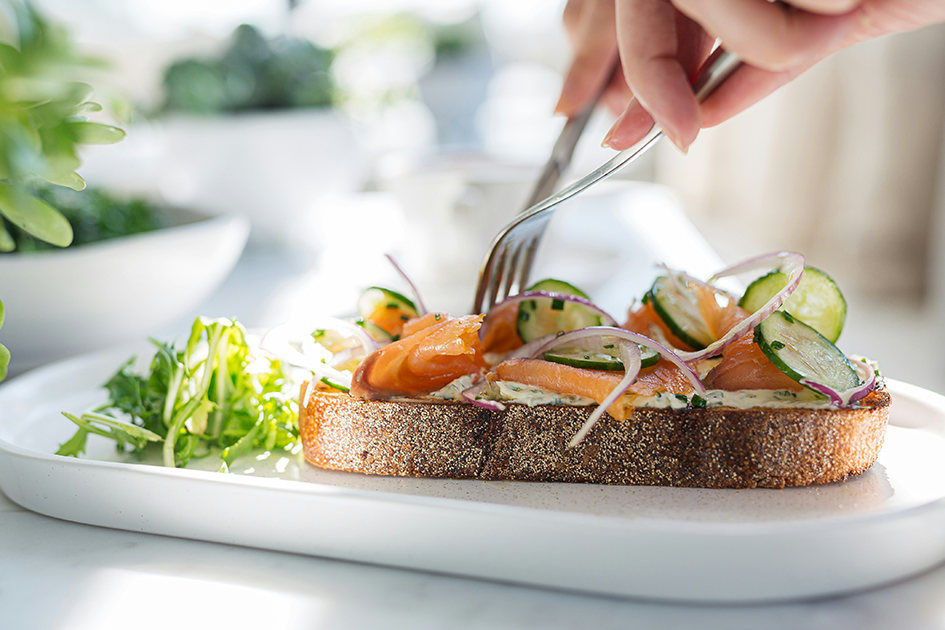
Image credit: Photo by Luisa Brimble on Unsplash
What Is a Balanced Plate?
A balanced plate is a simple way to organize your meal so it includes a mix of nutrients your body needs.
Most balanced plate methods follow a similar idea: fill part of your plate with colorful vegetables or fruit, add a source of protein, include a fiber-rich carbohydrate or whole grain, and finish with a small amount of healthy fat.
It does not need to look perfect.
Some days, your meal may be a bowl. Some days, it may be soup. Some days, it may be leftovers, a wrap, or something you quickly put together between work, family, errands, and everything else life asks from you.
The point is not to create a picture-perfect plate every time.
The point is to give your body a little more balance, one meal at a time.
Why Counting Calories Is Not Always the Easiest Starting Point
Calorie counting can be useful for some people in specific situations, especially with professional guidance. But for everyday healthy eating, many women find it tiring, restrictive, or emotionally draining.
Food is not only numbers. It is also energy, comfort, culture, connection, routine, pleasure, and nourishment.
Two meals may have similar calories but feel completely different in your body. A meal with protein, fiber, and healthy fats may help you feel full and steady for longer. A meal made mostly of refined carbohydrates or sugary foods may leave you hungry again sooner, even if the calorie number looks “reasonable.”
That is why building a balanced plate can be a more natural first step.
It helps you focus on food quality, meal structure, and how you feel afterward — not just the number attached to your meal.
The Simple Balanced Plate Formula
A helpful starting point is this:
½ of your plate: vegetables and/or fruit
¼ of your plate: protein
¼ of your plate: whole grains or fiber-rich carbohydrates
Add: a small amount of healthy fat
This does not have to be exact. You do not need to measure everything. Think of it as a soft guide, not a rulebook.
If you are eating a salad, the formula might look like leafy greens, grilled chicken, chickpeas, quinoa, avocado, and olive oil dressing.
If you are eating breakfast, it might look like Greek yogurt, berries, oats, chia seeds, and a spoonful of nut butter.
If you are eating dinner, it might look like salmon, roasted vegetables, brown rice, and a drizzle of olive oil.
The foods can change. The structure stays simple.
Step 1: Start With Color
A balanced plate often begins with color.
Vegetables and fruits bring fiber, vitamins, minerals, water, and plant compounds that support overall wellness. They also add volume to your plate, which can help the meal feel more satisfying without making it heavy.
You do not need ten different vegetables at every meal. One or two colorful options are enough to start.
Try adding spinach to eggs, tomatoes to a sandwich, berries to oatmeal, cucumber to a wrap, roasted carrots to dinner, or a handful of greens beside your usual meal.
If fresh produce feels expensive or difficult to use before it spoils, frozen vegetables and fruits can be a very practical option. They are easy to keep on hand, quick to prepare, and helpful on busy days when cooking from scratch feels like too much.
The goal is not to eat perfectly.
The goal is to make your plate a little more alive.
If bloating is something you often deal with, this guide may also help: Best Foods for Reducing Bloating Naturally.
Step 2: Add Protein So the Meal Actually Satisfies You
Protein helps make a meal feel more complete.
Without enough protein, you may finish eating and still feel like something is missing. You may also notice that you get hungry again sooner, especially after breakfast or lunch.
Good protein options include eggs, Greek yogurt, cottage cheese, chicken, turkey, fish, tofu, tempeh, beans, lentils, chickpeas, nuts, seeds, and lean meats.
You do not have to eat the same protein every day. In fact, variety can make healthy eating much easier to stick with.
For breakfast, protein might be eggs or Greek yogurt.
For lunch, it might be tuna, chicken, tofu, beans, or lentils.
For dinner, it might be salmon, turkey, chickpeas, or a simple bean-based meal.
If your meals often leave you tired or snacky an hour later, protein is one of the first places to look.
Step 3: Choose Carbohydrates That Give You Steadier Energy
Carbohydrates are not the enemy.
Your body uses carbohydrates for energy, and many carbohydrate-rich foods also provide fiber, minerals, and comfort. The difference is in the type of carbohydrate and how it is paired with the rest of your meal.
Whole grains and fiber-rich carbohydrates usually feel more satisfying than highly refined options. They digest more slowly and can help support steadier energy.
Good choices include oats, brown rice, quinoa, whole-grain bread, whole-wheat pasta, potatoes with the skin, sweet potatoes, beans, lentils, fruit, and starchy vegetables.
This does not mean you can never eat white bread, pasta, or dessert. A balanced approach leaves room for real life.
But when you want a meal that keeps you fuller and more energized, try pairing your carbohydrate with protein, fiber, and healthy fat instead of eating it alone.
A plain piece of toast may not hold you for long.
Toast with eggs and avocado is a more balanced meal.
Fruit alone may feel light.
Fruit with Greek yogurt and nuts feels more complete.
Small pairings can make a big difference.
If you often feel tired after meals or during the afternoon, you may also like this guide on what to eat for steady energy: What to Eat for Energy: 12 Foods That Boost Your Day.
Step 4: Do Not Forget Healthy Fats
Healthy fats help meals feel satisfying and enjoyable.
They also help carry flavor. A salad with only lettuce and lemon juice may technically be “light,” but it may not feel like a real meal. Add avocado, olive oil, nuts, seeds, or salmon, and suddenly the same meal feels more nourishing.
Healthy fat options include avocado, olive oil, nuts, seeds, nut butter, tahini, olives, eggs, and fatty fish like salmon or sardines.
You do not need a large amount. A little can go a long way.
Think of healthy fats as the finishing touch that makes a balanced plate feel comforting instead of cold or restrictive.
Avocado is one simple way to add healthy fats and creaminess to your plate. You can read more here: Avocado Benefits for Women (Simple, Healthy & Powerful).
What a Balanced Plate Looks Like in Real Life
Healthy eating becomes easier when you stop thinking every meal has to be new, complicated, or Instagram-worthy. Here are a few simple examples.
For breakfast, you might have oatmeal with Greek yogurt, berries, chia seeds, and almond butter.
For lunch, you might make a bowl with greens, roasted vegetables, chicken, quinoa, and olive oil dressing.
For dinner, you might have baked fish, sweet potato, broccoli, and avocado.
For a quick meal, you might make whole-grain toast with eggs, spinach, and tomatoes.
For a no-cook option, you might combine cottage cheese or Greek yogurt with fruit, nuts, and oats.
None of these meals are extreme. That is the point.
Balanced eating works best when it feels like something you can actually repeat.
How to Build a Balanced Plate When You Are Busy
Most women do not struggle with nutrition because they do not care.
They struggle because they are busy, tired, overwhelmed, or trying to make healthy choices in the middle of a full life.
That is why your balanced plate should be simple enough to use on an ordinary day.
Keep a few “building blocks” ready when you can: cooked rice or quinoa, boiled eggs, Greek yogurt, canned tuna, canned beans, frozen vegetables, washed greens, fruit, nuts, hummus, whole-grain bread, and avocado.
Then meals become easier to assemble.
You do not have to start from zero every time. You can create small combinations from what you already have.
A balanced plate can be leftovers with extra vegetables.
It can be a smoothie with protein, fruit, oats, and nut butter.
It can be soup with beans and whole-grain toast.
It can be a simple egg plate after a long day.
Healthy eating becomes less intimidating when you stop expecting every meal to be a project.
The “Good Enough” Plate Rule
One of the most helpful things you can do is let your meals be good enough.
Not every plate will be perfectly balanced. Not every day will include fresh greens, homemade food, and calm mealtimes.
Some days, your best meal may be a sandwich with extra protein and a piece of fruit. Some days, it may be pasta with vegetables stirred in. Some days, it may be takeout with a side salad.
That still counts.
The balanced plate method is not here to make you feel guilty. It is here to give you direction when you want to feel more nourished.
Instead of asking, “Was this perfect?” ask:
Did I add some protein?
Did I include color?
Did I choose a carbohydrate that gives me energy?
Did I add something satisfying?
Can I make one small improvement next time?
This mindset is much kinder — and usually much more effective — than starting over every Monday.
Common Balanced Plate Mistakes
One common mistake is making the meal too low in calories or too light because it looks “healthy.” A small salad with no protein, no grains, and no fat may look clean, but it may leave you hungry and reaching for snacks soon after.
Another mistake is relying only on carbohydrates, especially at breakfast. A sweet coffee and a pastry may taste comforting, but many women feel an energy dip later because the meal is missing protein and fiber.
A third mistake is avoiding fats completely. Healthy fats are not something to fear. They can make meals more satisfying and help you enjoy your food.
And finally, many women try to change everything at once.
You do not need to rebuild your entire diet overnight. Start with one meal. Add protein to breakfast. Add vegetables to lunch. Add a better snack in the afternoon.
Small changes are still changes.
A Simple Way to Practice This Today
Choose one meal you already eat often.
Do not replace it completely. Just balance it.
If you usually eat toast, add eggs or Greek yogurt and fruit.
If you usually eat pasta, add vegetables and a protein source.
If you usually eat salad, add beans, chicken, tofu, quinoa, avocado, or seeds.
If you usually eat cereal, add Greek yogurt, berries, and nuts.
This is how balanced eating becomes realistic.
You keep the foods that fit your life, and you gently make them more nourishing.
Final Thoughts
Building a balanced plate is not about controlling every bite.
It is about learning how to feed yourself in a way that feels steady, supportive, and realistic. When your meals include protein, fiber-rich carbohydrates, colorful plants, and healthy fats, you are more likely to feel satisfied and energized throughout the day.
You do not need a perfect diet to take care of your body.
You need simple habits you can return to again and again.
Start with one plate. Make it colorful. Add something filling. Choose foods you enjoy. Let it be good enough.
That is often where real change begins.
If smoothies are part of your healthy eating routine, explore our guide to the best blenders for smoothies to compare reliable options for quick breakfasts, snacks, and everyday nutrition.
What does a balanced plate look like for you?
Do you usually focus more on protein, vegetables, carbs, or just whatever is easiest that day?
Share your favorite simple balanced meal in the comments — it may give another BloomHerLife reader a fresh idea for her next lunch or dinner.