

Smoothies look like the perfect healthy choice. They are colorful, quick, pretty, and easy to make when you do not have much time. You can drink one on a busy morning, after a walk, between errands, or when you want something lighter than a full meal.
But here is the part many women notice quietly: sometimes a smoothie does not keep you full for long.
You drink it, feel good for a little while, and then an hour later you are hungry again. Maybe your energy drops. Maybe you start looking for something crunchy or sweet. Maybe you wonder why your “healthy breakfast” did not actually feel like breakfast.
That does not mean smoothies are bad. It usually means the smoothie was not balanced enough.
A smoothie made mostly from fruit and liquid can be refreshing, but it may not give your body enough protein, fiber, or healthy fats to feel satisfied. The good news is that a few small changes can make a big difference.
A smoothie should not just look healthy. It should help you feel nourished, steady, and supported.
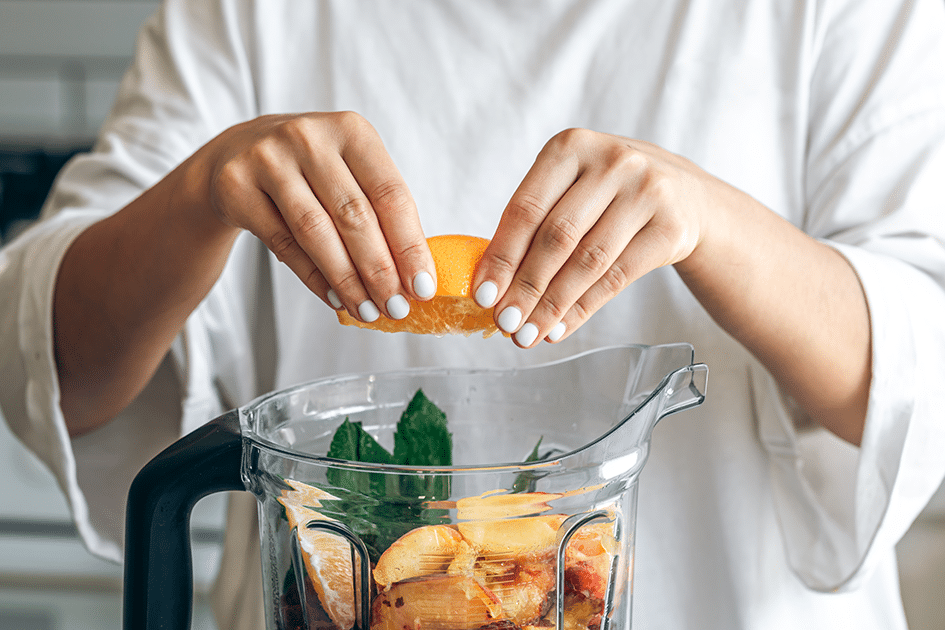
Image credit: Photo by pvproductions on Magnific
Why Some Smoothies Do Not Keep You Full
Many smoothies are built like drinks, not meals.
They may have banana, berries, juice, and maybe a little spinach. That sounds healthy, and those foods can absolutely be part of a nourishing routine. But if the smoothie is missing protein, fiber, and fat, it may move through your system faster than you expect.
A balanced smoothie works more like a small meal.
It has something that gives energy, something that supports fullness, something that adds texture, and something that makes it feel satisfying. Without that balance, the smoothie may taste good but leave your body asking for more.
This is especially common when a smoothie is used as breakfast.
If your morning meals often leave you tired or hungry again, this guide may help: What to Eat for Energy: 12 Foods That Boost Your Day.
Breakfast usually needs more structure than fruit and liquid alone. If your morning smoothie is followed by hunger, cravings, or another coffee soon after, the problem may not be your appetite. The problem may be that your smoothie is too light.
Mistake 1: Using Only Fruit
Fruit is not the enemy.
Fruit brings fiber, water, vitamins, minerals, color, and natural sweetness. Berries, bananas, mango, peaches, and apples can all make smoothies taste better and feel more enjoyable.
The mistake is not using fruit. The mistake is using only fruit.
A smoothie made with several servings of fruit and a splash of juice may taste delicious, but it can feel more like a sweet drink than a balanced meal. It may give you quick energy without enough staying power.
A better approach is to choose one or two fruits, then build around them.
For example, berries and banana can work beautifully. But instead of blending them only with juice, pair them with Greek yogurt, oats, chia seeds, or nut butter.
This keeps the smoothie sweet and enjoyable while making it more filling.
Mistake 2: Skipping Protein
Protein is one of the most common missing pieces in smoothies.
A smoothie with fruit, spinach, and almond milk may look healthy, but it may not contain much protein unless you intentionally add it. That can make a big difference in how long the smoothie keeps you satisfied.
Protein helps a smoothie feel more like a real breakfast or snack.
Good smoothie protein options include Greek yogurt, cottage cheese, kefir, milk, soy milk, silken tofu, protein powder, hemp seeds, peanut butter, almond butter, and some nuts or seeds.
You do not need to turn every smoothie into a high-protein shake. But adding a clear protein source can help it feel more complete.
Try this simple shift:
Instead of banana + berries + almond milk, try banana + berries + Greek yogurt + chia seeds.
Instead of spinach + fruit + water, try spinach + fruit + kefir or soy milk + oats.
Instead of a fruit-only smoothie, add a protein source that matches your taste and your routine.
Small upgrades often work better than trying to create the “perfect” smoothie.
For more filling food ideas, you may also like: Foods That Keep You Full Longer (And Help You Avoid Overeating).
Mistake 3: Forgetting Fiber
Fiber helps make smoothies more satisfying, especially when it comes from whole fruits, vegetables, oats, seeds, and other plant foods.
The tricky part is that some smoothies lose their fiber advantage when they rely too much on juice or sweetened liquids instead of whole ingredients.
A smoothie made with whole berries, banana, spinach, oats, and chia seeds will feel different from a drink made with fruit juice and a little fruit flavor. Whole ingredients usually bring more texture, more volume, and more fullness.
Easy fiber additions include:
- berries
- oats
- chia seeds
- ground flaxseed
- spinach
- avocado
- pear
- apple
- pumpkin puree
- cooked sweet potato
- lentils in very small amounts for creamy smoothies
You do not need to add all of these. In fact, if your digestion is sensitive, adding too much fiber at once may feel uncomfortable.
Start with one gentle fiber add-in. Oats, berries, chia seeds, and spinach are often easy places to begin.
If you want to add more fiber gently, start with this guide: High-Fiber Foods for Women: How to Eat More Fiber Without Bloating.
Mistake 4: Making It Too Low-Calorie
A smoothie can be healthy and still be too light.
This happens when you try to make the smoothie as small, low-calorie, or “clean” as possible. Maybe it has ice, spinach, a few berries, water, and nothing else. It looks like a wellness choice, but it may not give your body enough energy to carry you through the morning.
For many women, this leads to the familiar pattern: smoothie first, hunger soon after, then random snacking later.
That is not failure. That is your body asking for enough food.
If a smoothie is replacing a meal, it needs to act more like a meal. That means it should include a mix of carbohydrates, protein, fiber, and healthy fats.
A very light smoothie may work as a small snack. But if you want it to be breakfast, give it more structure.
Add Greek yogurt. Add oats. Add nut butter. Add chia seeds. Add avocado. Add milk or soy milk instead of water. Add something that helps it last.
Healthy eating should support your day, not leave you underfed by 10 a.m.
Mistake 5: Adding Too Much Juice
Juice can make a smoothie taste bright and sweet, but it can also make it less filling.
When you use juice as the main liquid, the smoothie can become more like a sweet drink. It may still contain vitamins and flavor, but it may not have the same fullness as a smoothie made with whole fruit, yogurt, milk, or another more balanced base.
This does not mean juice is never allowed. It simply means juice should usually be used thoughtfully, especially if your goal is steady energy and fullness.
If you like the taste of juice, try using a small splash for flavor and then blending with water, milk, soy milk, kefir, or Greek yogurt.
You can also get brightness from lemon, lime, orange segments, pineapple, berries, or a little ginger.
The goal is not to make the smoothie boring. The goal is to make it more supportive.
Mistake 6: Forgetting Healthy Fats
Healthy fats can make a smoothie feel smoother, creamier, and more satisfying.
Many smoothies have carbohydrates from fruit and maybe some protein from yogurt or milk, but they are missing fat. Without fat, some women find that the smoothie does not keep them full for long.
A small amount of fat can make the smoothie feel more complete.
Good options include avocado, peanut butter, almond butter, chia seeds, ground flaxseed, hemp seeds, walnuts, cashews, or a spoonful of tahini.
Avocado is one easy way to add creaminess and healthy fats to smoothies. You can read more here: Avocado Benefits for Women (Simple, Healthy & Powerful).
You do not need a lot.
Half a small avocado, a spoonful of nut butter, or a tablespoon of chia or ground flaxseed may be enough to change the texture and fullness.
This is also where smoothies can start to feel more comforting. A creamy smoothie often feels more like a meal than a thin, icy drink.
Mistake 7: Making It Too Sweet
Some smoothies become sweet from many directions at once.
Fruit, juice, flavored yogurt, honey, maple syrup, sweetened milk alternatives, and protein powders can all add sweetness. One or two sweet elements may be fine. But when several are combined, the smoothie may taste more like dessert than breakfast.
That is not always a problem. Sometimes you may want a dessert-style smoothie.
But if your smoothie leaves you hungry or craving more sweetness soon after, it may help to reduce the number of sweet ingredients.
Try using plain Greek yogurt instead of flavored yogurt.
Choose unsweetened milk or soy milk.
Use berries for sweetness and color.
Add cinnamon or vanilla for flavor without making it much sweeter.
Use half a banana instead of a whole banana if the smoothie already has other fruit.
Again, this is not about restriction. It is about balance.
You want the smoothie to taste good and help you feel good afterward.
Mistake 8: Drinking It Too Fast
Smoothies are easy to drink quickly.
That can be helpful when you are busy, but it can also make the meal feel less satisfying. When you drink a smoothie in a few minutes while answering emails or rushing out the door, your body may not get the same sense of “I ate something” that it gets from a slower meal.
This is not only about nutrients. It is also about the experience of eating.
Try sitting down for a few minutes when you can. Drink slowly. Use a spoon if it is thick enough. Add toppings if you are making a smoothie bowl. Give your body a moment to register the meal.
If a smoothie always feels like it disappears too quickly, make it thicker.
Use frozen fruit, Greek yogurt, oats, avocado, or chia seeds. Pour it into a bowl. Add berries, nuts, or granola on top.
A smoothie bowl often feels more satisfying because you eat it, not just drink it.
How to Build a More Balanced Smoothie
A better smoothie does not need to be complicated.
Use this simple formula: Fruit or vegetables + protein + fiber + healthy fat + liquid.
That is it.
Here are a few examples:
Berries + Greek yogurt + oats + chia seeds + milk
Banana + spinach + peanut butter + ground flaxseed + soy milk
Mango + Greek yogurt + avocado + lime + water
Blueberries + cottage cheese + oats + almond butter + milk
Strawberries + kefir + chia seeds + a small handful of spinach
You can adjust the texture, flavor, and sweetness based on what you enjoy.
The important thing is that your smoothie has more than fruit and liquid. When you give it structure, it becomes much more likely to keep you satisfied.
If you like simple food formulas, you may also find this guide helpful: How to Build a Balanced Plate Without Counting Calories.
Best Ingredients for a Filling Smoothie
A filling smoothie usually includes a few simple building blocks.
For protein, try Greek yogurt, kefir, cottage cheese, milk, soy milk, silken tofu, or a protein powder you tolerate well.
For fiber, try berries, oats, chia seeds, ground flaxseed, spinach, pear, apple, pumpkin, or avocado.
For healthy fats, try nut butter, avocado, chia seeds, flaxseed, hemp seeds, or walnuts.
For flavor, try cinnamon, vanilla, cocoa powder, ginger, lemon, lime, mint, or a few dates if you want extra sweetness.
For liquid, try water, milk, soy milk, kefir, or an unsweetened milk alternative.
You do not need a pantry full of trendy ingredients. A few basics can carry you far.
Greek yogurt, berries, oats, chia seeds, spinach, banana, and peanut butter are enough to make many satisfying smoothies.
Smoothie Ideas That Actually Feel Like Food
Here are a few realistic smoothie ideas that can feel more satisfying than a fruit-only blend.
Berry Oat Smoothie
Blend berries, Greek yogurt, oats, chia seeds, and milk.
This is a good breakfast smoothie because it gives you fruit, protein, fiber, and creaminess. It also feels familiar, almost like a blended version of yogurt and oatmeal.
Peanut Butter Banana Smoothie
Blend banana, peanut butter, Greek yogurt or soy milk, ground flaxseed, and cinnamon.
This one is comforting and satisfying. It works well when you want something sweet but still more balanced than a plain fruit smoothie.
Green Smoothie That Does Not Taste Like Grass
Blend spinach, banana, Greek yogurt, chia seeds, and milk or soy milk.
Spinach has a mild taste, so it blends easily. The banana adds sweetness, while yogurt and seeds make it more filling.
Avocado Berry Smoothie
Blend berries, avocado, Greek yogurt, and a little milk or water.
Avocado makes the smoothie creamy without making it taste strongly like avocado. This is a good option if you want a thicker texture and more staying power.
Mango Lime Smoothie
Blend mango, Greek yogurt, avocado, lime juice, and water or milk.
This feels bright and fresh, but the yogurt and avocado help make it more balanced.
When a Smoothie Is Better as a Snack
Not every smoothie needs to be a full meal.
Sometimes you may want a lighter smoothie as a snack, and that is completely fine. A smaller smoothie can be useful after a walk, between meals, or when you want something refreshing but not heavy.
The difference is expectation.
If your smoothie is only fruit, ice, and water, think of it as a light snack.
If you want it to replace breakfast or lunch, make it more complete.
This small mindset shift can prevent frustration. The smoothie is not failing you. It just needs to match the role you are asking it to play.
For more simple snack ideas, read: Healthy Snacks for Women That Support Energy and Cravings.
What to Avoid When Buying Smoothies
Store-bought smoothies can be convenient, but they vary a lot.
Some are balanced and made with whole foods. Others are closer to sweet drinks with a healthy-looking label. Flavored yogurts, fruit juice concentrates, syrups, sweetened bases, and large portions can all change how the smoothie feels in your body.
When buying a smoothie, look for a few things:
Does it have protein?
Does it include whole fruits or vegetables?
Is the base mostly juice or something more balanced?
Are there added sweeteners?
Is the portion size realistic for your needs?
You do not have to analyze every smoothie forever. But a quick look can help you choose one that supports your energy instead of leaving you hungry again.
A Simple Smoothie Upgrade Plan
If your usual smoothie does not keep you full, do not change everything at once.
Start with one upgrade.
Add Greek yogurt for protein.
Add oats for fiber.
Add chia seeds for thickness.
Add nut butter for healthy fat.
Add spinach for color and extra nutrients.
Use milk or soy milk instead of juice.
Make it thicker and eat it as a bowl.
Try that for a few days and notice how you feel.
The best smoothie is not the prettiest one online. It is the one that fits your life, tastes good, and helps you feel nourished.
Final Thoughts
Smoothies can be a beautiful part of a healthy routine, but they need balance to truly support you.
If your smoothie makes you hungry again quickly, it may be missing protein, fiber, healthy fats, or enough overall energy. It may also be too sweet, too thin, or too easy to drink in a rush.
You do not need to give up smoothies. You just need to build them more like a meal.
Start with fruit or vegetables. Add protein. Add fiber. Add a little healthy fat. Choose a liquid that supports the goal. Make it taste good enough that you actually enjoy it.
Healthy eating is not about making the lightest smoothie possible. It is about making food that helps you feel steady, satisfied, and cared for.
If smoothies are part of your healthy eating routine, explore our guide to the best blenders for smoothies to compare reliable options for quick breakfasts, snacks, and everyday nutrition.
Do your smoothies actually keep you full?
Sometimes a smoothie only needs one small upgrade — more protein, more fiber, a little healthy fat, or a thicker texture.
Share your favorite smoothie ingredient in the comments — it may give another BloomHerLife reader a simple idea for her next breakfast.