

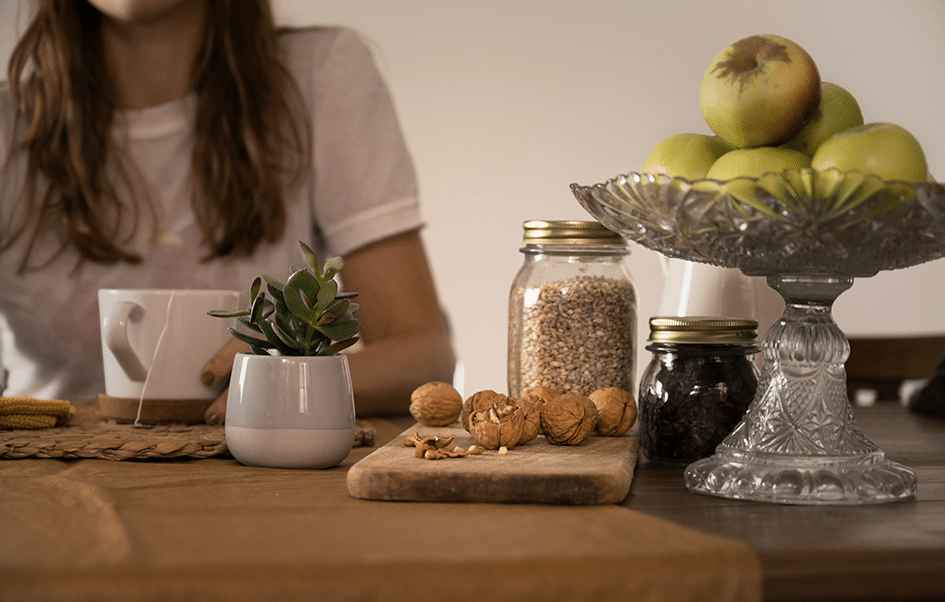
Some meals leave you feeling light, comfortable, and satisfied. Others seem to sit heavily in your stomach for hours.
Many women know this feeling well: bloating after dinner, uncomfortable fullness, gas, pressure, or the sense that digestion is slower than it should be. Sometimes it happens after a large meal. Sometimes it happens after foods that are perfectly healthy, like beans, vegetables, dairy, protein-rich meals, or high-fiber foods.
This is where digestive enzymes often enter the conversation.
Digestive enzyme supplements have become popular among women looking for support with bloating, heavy meals, and occasional digestive discomfort. But they can also be confusing. Some products sound very scientific. Others promise too much. And not every woman actually needs them.
This guide is designed to help you understand what digestive enzymes do, when they may be worth considering, and which beginner-friendly options may fit different needs.
Digestive enzymes are not a magic fix. They are not a replacement for healthy meals, hydration, movement, stress support, or medical care when symptoms are persistent.
But for some women, the right digestive enzyme may be one helpful tool inside a broader gut health routine.
If you are still building your foundation, you may also want to read about foods that support gut health naturally.
Image credit: Photo by Francesco Cavallini on Unsplash
What Are Digestive Enzymes?
Digestive enzymes are proteins that help break food down into smaller parts so your body can absorb nutrients.
Different enzymes help digest different types of food. Amylase helps break down carbohydrates. Protease helps break down protein. Lipase helps break down fats. Lactase helps break down lactose, the sugar found in milk and dairy products.
Your body already makes digestive enzymes naturally. Most are produced by the pancreas and released into the small intestine during digestion.
Expert Insight
“These enzymes are responsible for breaking down the major dietary components of the foods that we eat,” says Dr. Alison Schneider, gastroenterologist at Cleveland Clinic.
That is the simple reason digestive enzymes matter.
Without them, food cannot be broken down and absorbed properly. But this does not mean everyone needs a supplement.
Some women may benefit from digestive enzyme support in specific situations. Others may feel better simply by eating more slowly, reducing stress around meals, drinking enough water, or adjusting fiber intake gradually.
Digestive Enzymes vs. Probiotics
Digestive enzymes and probiotics are often discussed together, but they are not the same thing.
Digestive enzymes help break down food.
Probiotics are live microorganisms that may help support the balance of bacteria in the gut.
A simple way to think about it is this: Digestive enzymes help with the meal you are eating.
Probiotics are more about supporting the gut environment over time.
This difference matters because many women buy a probiotic when what they really notice is heaviness after certain meals. Others look at enzymes when their real issue may be gut balance, constipation, stress, or food sensitivity.
Sometimes both can be part of a routine. Sometimes neither is the first step.
If you are comparing the two, this beginner-friendly guide to probiotics for women may help you understand the difference.
When Might Digestive Enzymes Be Worth Considering?
Digestive enzymes may be worth exploring if you often feel heavy, bloated, or uncomfortable after specific meals.
For example, some women notice discomfort after high-protein meals, fatty meals, dairy, beans, cruciferous vegetables, or large portions of fiber-rich foods. Others feel that digestion becomes slower with age, stress, hormonal changes, or lifestyle shifts.
That said, digestive symptoms are not always caused by a lack of enzymes.
Bloating can also be linked to constipation, eating too quickly, stress, food intolerances, hormonal changes, IBS, low movement, dehydration, or other medical issues.
This is why the most honest answer is: digestive enzymes may help some women, but they are not necessary for everyone.
Expert Insight
“Overall, a healthy person really doesn’t need to take digestive enzyme supplements,” explains dietitian Susan Denhard, M.S., R.D., L.D.N., at Johns Hopkins Medicine.
That does not mean enzymes are useless.
It means they should be used thoughtfully — not as a daily “wellness shortcut” for everyone.
If you often feel bloated even when eating healthy, you may want to explore why nourishing foods can still feel hard to digest.
What to Look for in a Digestive Enzyme Supplement
Choosing a digestive enzyme supplement can feel overwhelming because formulas vary a lot.
Some products focus on general digestion. Some include lactase for dairy. Some include enzymes that help break down fats, proteins, carbohydrates, or fiber. Others combine enzymes with probiotics or prebiotics.
A good product should make it clear what enzymes it contains and what type of digestion it is designed to support.
For many women, the most useful formulas are broad-spectrum options that include enzymes for proteins, fats, carbohydrates, and fiber. If dairy is the main issue, lactase may be more relevant. If beans and certain vegetables cause gas, alpha-galactosidase may be more targeted.
It also helps to choose products from reputable brands, start slowly, and avoid stacking too many supplements at once.
Digestive enzymes are usually taken with meals, but always follow the product label and speak with a healthcare provider if you are pregnant, breastfeeding, have a medical condition, take medication, or have ongoing digestive symptoms.
Affiliate Disclosure
This article contains affiliate links, which means BloomHerLife may earn a small commission if you purchase through certain links — at no additional cost to you. We only recommend products that fit the wellness-focused lifestyle and content we share. Thank you for supporting BloomHerLife.
Our Recommended Digestive Enzymes for Women
The following options were chosen for different needs, not because one product is perfect for everyone.
Some women may prefer a women-focused formula. Others may want a premium option, a budget-friendly choice, a cleaner formula, or a product that combines enzymes with probiotics.
Use this section as a starting point — not as a medical prescription.
1. Garden of Life Raw Enzymes Women
Best Women-Focused Choice
Garden of Life Raw Enzymes Women is one of the more relevant choices for this article because it is specifically marketed toward women.
It includes a broad digestive enzyme blend and also adds nutrients often associated with women’s wellness, such as vitamin B12, biotin, and zinc. The formula also includes probiotics, which may appeal to women who want a more complete digestive support product.
This may be a good choice for women who want a women-focused enzyme supplement rather than a general unisex formula.
Highlights:
- women-focused formula
- includes multiple digestive enzymes
- includes probiotics
- includes vitamin B12, biotin, and zinc
- vegetarian-friendly
2. Enzymedica Digest Gold with ATPro
Best Premium Digestive Enzyme
Enzymedica Digest Gold with ATPro is a popular premium digestive enzyme supplement.
It is designed for people who want a stronger broad-spectrum enzyme formula. It may be especially appealing to women who notice discomfort after larger meals or meals that include protein, fats, carbohydrates, and fiber.
This is not the cheapest option, but it is one of the better-known enzyme products in the digestive wellness category.
Highlights:
- premium broad-spectrum formula
- designed for multiple food groups
- vegan formula
- often used for gas, bloating, and meal heaviness
- good option for women who want a stronger formula
3. NOW Supplements Super Enzymes
Best Budget-Friendly Choice
NOW Super Enzymes is a well-known option from a long-established supplement brand.
It is often chosen by people who want a straightforward, budget-friendly enzyme blend. The formula is designed to support the breakdown of fats, carbohydrates, and proteins.
One important note: this product may not be suitable for vegetarians or vegans because some formulas include animal-derived ingredients such as ox bile or pancreatin. That does not make it a bad product, but it does mean readers should check the label carefully before buying.
Highlights:
- budget-friendly option
- well-known supplement brand
- supports digestion of fats, carbs, and protein
- simple, no-frills formula
- not ideal for women looking for a vegetarian formula
4. Pure Encapsulations Digestive Enzymes Ultra
Best Clean Premium Formula
Pure Encapsulations Digestive Enzymes Ultra is a good option for women who prefer a cleaner, more professional-feeling supplement brand.
It is marketed as a vegetarian digestive enzyme supplement and is designed to support digestion of protein, carbohydrates, fiber, and dairy. This may appeal to women who want a broader enzyme formula without a long list of lifestyle-focused extras.
It is more expensive than some other options, but the brand has a strong reputation among people who prefer minimalist supplement formulas.
Highlights:
- vegetarian enzyme supplement
- supports protein, carb, fiber, and dairy digestion
- clean premium brand feel
- good for women who prefer simple formulas
- higher price point
5. Zenwise Health Digestive Enzymes
Best Enzymes + Probiotics Blend
Zenwise Health Digestive Enzymes may be a good choice for women who want enzymes, probiotics, and prebiotics in one product.
This type of formula can be appealing if you want a more all-in-one digestive wellness supplement. It is commonly marketed for gas, bloating, and digestive discomfort, especially after hard-to-digest meals.
However, all-in-one products are not automatically better for everyone. Some women do better with simpler formulas because it is easier to know what is helping or bothering them.
Highlights:
- combines enzymes, probiotics, and prebiotics
- popular digestive wellness option
- designed for gas and bloating support
- convenient all-in-one formula
- may not be ideal if you prefer simpler supplements
Which Digestive Enzyme Should You Choose?
There is no single best digestive enzyme for every woman.
If you want a women-focused formula, Garden of Life Raw Enzymes Women is the most directly aligned with the topic.
If you want a premium enzyme-only product, Enzymedica Digest Gold is a strong option.
If you want something more budget-friendly, NOW Super Enzymes may be worth considering.
If you prefer a clean, professional-style formula, Pure Encapsulations Digestive Enzymes Ultra may be a better fit.
If you want enzymes combined with probiotics and prebiotics, Zenwise may be the most convenient all-in-one option.
The best choice depends on what you actually need support with.
Heavy meals are different from dairy sensitivity. Fiber-related bloating is different from constipation. Stress-related bloating is different from enzyme insufficiency.
That is why it helps to pay attention to patterns instead of buying supplements based on hype.
If constipation is part of the problem, you may also want to read about constipation in women and natural ways to find relief.
Digestive Enzymes Are Not a Replacement for Healthy Habits
Even a good digestive enzyme will not replace the basics.
If you eat quickly, skip water, sleep poorly, feel constantly stressed, or suddenly add large amounts of fiber, digestion may still feel uncomfortable.
Many women get better results when they combine supplements with simple habits:
eating more slowly, drinking enough water, walking after meals, managing stress, adding fiber gradually, and choosing foods that feel good for their body.
This is especially important because bloating does not always mean you need enzymes.
Sometimes your body needs more hydration. Sometimes it needs movement. Sometimes it needs a calmer nervous system. Sometimes it needs medical support.
If you are trying to build stronger daily habits, these simple evening habits for digestion may help your body feel more supported.
When to Talk to a Doctor
Digestive enzymes may be helpful for occasional meal-related discomfort, but ongoing symptoms should not be ignored.
Talk to a healthcare provider if you have persistent bloating, severe abdominal pain, unexplained weight loss, vomiting, blood in your stool, ongoing diarrhea, chronic constipation, difficulty swallowing, or symptoms that suddenly change.
You should also ask for professional guidance before taking digestive enzymes if you are pregnant, breastfeeding, have a digestive disorder, take medication, or have a medical condition.
Supplements can be useful, but they work best when used thoughtfully.
Your body deserves more than guessing.
Final Thoughts
Digestive enzymes can be helpful for some women, especially when certain meals feel heavy or harder to digest.
But they are not necessary for everyone, and they are not a shortcut around the foundations of gut health.
The best approach is usually balanced.
Start with food, hydration, movement, stress support, and sleep. Notice your patterns. Pay attention to how your body responds. If a digestive enzyme seems helpful, choose one that matches your actual needs instead of the loudest product claim.
Gut health is rarely about one perfect supplement.
It is about learning how to support your body with more patience, more awareness, and habits that actually fit your life.
Have you ever tried digestive enzymes for bloating or heavy meals?
Did they help your digestion feel more comfortable, or did lifestyle habits make a bigger difference?
Share your experience in the comments — your insight may help other women make more thoughtful gut health choices.