You finish dinner feeling comfortably full, then spend the evening loosening your waistband and wondering whether a digestive enzyme would help. Online, the bottles promise less bloating, better absorption, and easier digestion – but the differences can be surprisingly hard to see.
Finding the best digestive enzymes for women starts with a more useful question: which food component, if any, are you struggling to digest?
This guide compares five formulas by their published ingredients, enzyme activities, serving sizes, and limitations, so you can decide whether a particular supplement is worth considering – or whether a different next step makes more sense.
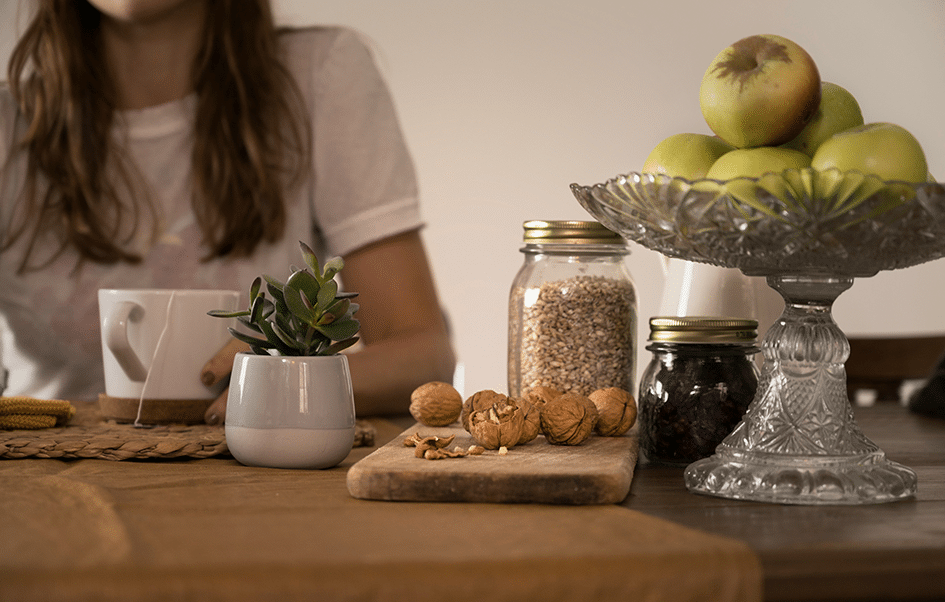
Photo by Francesco Cavallini on Unsplash
In This Article
Affiliate Disclosure
As an Amazon Associate, I earn from qualifying purchases. This article contains affiliate links, which may earn BloomHerLife a commission at no extra cost to you. Thank you for supporting BloomHerLife.
What Digestive Enzymes Actually Do
Digestive enzymes break food down for absorption. Amylase acts on starch, proteases on protein, lipase on fat, and lactase on lactose.
Registered dietitian Morgan Denhard, MS, RD, LDN, describes how her team uses prescription enzymes for some patients with cystic fibrosis or recurrent pancreatitis at Johns Hopkins Medicine. She gives this advice for healthy adults.
Overall, a healthy person really doesn’t need to take digestive enzyme supplements.
Match the Enzyme to the Food Pattern
When Dairy Repeatedly Triggers Symptoms
If milk or ice cream repeatedly brings on gas, cramps, or diarrhea, lactose intolerance is one possibility. The NIDDK lactose intolerance guide explains how lactase products, smaller portions of dairy, and lactose-free options can help some people manage symptoms.
When Beans Are the Main Trigger
Alpha-galactosidase breaks down some carbohydrates in beans. An eight-person meal trial found lower gas production and less flatulence at 1,200 GalU after a bean-heavy meal. An IBS pilot study in 20 adults found similar symptom ratings with the enzyme and placebo.
When the Pattern Is Unclear
Look for patterns across meals and bowel movements. Our guides to foods that cause bloating and constipation in women can help you decide what to track.
How We Selected and Compared These Formulas
We compared five formulas using published U.S. labels and clinical sources reviewed on October 6, 2026. We looked at which food component each enzyme acts on, activity per labeled serving, cost per serving, and added ingredients or warnings. We assessed clinical evidence separately from the claims on the packaging.
ALU measures lactase activity. GalU measures alpha-galactosidase activity. Compare the same enzyme in the same units and account for serving size.
The wording “for women” describes the formula’s intended market. The FDA supplement guide explains that manufacturers are responsible for supplement safety and labeling before sale.
Comparing the Best Digestive Enzymes for Women
These are manufacturer-reported enzyme activities per labeled serving.
| Product | Serving used for comparison | Targeted enzyme activities | Important difference |
|---|---|---|---|
| Pure Encapsulations Digestive Enzymes Ultra | 2 capsules | Lactase: 1,600 ALU Alpha-galactosidase: 120 GalU | Vegetarian enzyme blend without added probiotics or betaine HCl |
| Enzymedica Digest Gold with ATPro | 1 capsule | Lactase: 900 ALU Alpha-galactosidase: 450 GalU | Vegan blend with an additional ATPro complex |
| Garden of Life RAW Enzymes Women | 1 capsule | Lactase: 1,575 ALU Alpha-galactosidase: 541 GalU | Includes vitamins, minerals, and probiotics; label lists soy |
| NOW Super Enzymes capsules | 1 capsule | No lactase or alpha-galactosidase listed | Contains betaine HCl, ox bile, porcine pancreatin, and bovine gelatin |
| Zenwise Digestive Enzymes | Version-dependent; see note below | Lactase is listed; individual enzyme activity units are not shown on the reviewed label | Combines enzymes, prebiotics, probiotics, and botanicals; published versions differ |
1. Pure Encapsulations Digestive Enzymes Ultra: An Enzyme-Focused Vegetarian Option
Pure’s product sheet lists a two-capsule serving for this vegetarian blend. A 180-capsule bottle provides 90 labeled servings. The manufacturer advises against use during pregnancy or breastfeeding.
View Pure Encapsulations Digestive Enzymes Ultra on Amazon
2. Enzymedica Digest Gold with ATPro: One Capsule, With Additional Ingredients
The one-capsule formula includes ATPro, a blend of ATP, magnesium citrate, phytase, and CoQ10, according to Enzymedica. The registered Digest Gold trial describes a study of bloating after meals in healthy adults. Published results are needed to judge whether the formula helps with symptoms.
View Enzymedica Digest Gold with ATPro on Amazon
3. Garden of Life RAW Enzymes Women: Enzymes With Nutrients and Probiotics
The Garden of Life product page describes a 90-capsule formula with added vitamins, minerals, and probiotics. The label lists soy. Check for overlap with a multivitamin or probiotic you already take.
View Garden of Life RAW Enzymes Women on Amazon
4. NOW Super Enzymes: A Formula With Betaine HCl and Ox Bile
The NOW capsule label lists betaine HCl, ox bile, porcine pancreatin, bovine gelatin, and sulfites. Ask a healthcare professional to review the formula if you take medication, especially a blood thinner, or have a papaya or pineapple allergy.
View NOW Super Enzymes capsules on Amazon
5. Zenwise Digestive Enzymes: Confirm the Version Before Comparing
The Zenwise product page lists two capsules in its directions and DE111 in its ingredient text. The reviewed label gives a total weight for the enzyme and prebiotic blend. Check the serving size, probiotic strain, and any enzyme activity units on the exact bottle you’re considering.
Check the Zenwise Digestive Enzymes listing and label on Amazon
Compare the Cost of a Serving, Not Just the Bottle
Divide the current bottle price by the number of labeled servings. A hypothetical $30 bottle with 90 capsules costs about $0.33 per one-capsule serving or $0.67 per two-capsule serving.
Choose a Useful Next Step
If a healthcare professional agrees that a supplement trial is reasonable, decide together what you’ll track and when you’ll review it. Brent Bauer, MD, describes this approach in a Mayo Clinic Q&A.
Use one formula at a time and follow the directions for that bottle. Seek advice if symptoms worsen or you suspect a reaction. Our guide to evening habits for digestion covers practical changes you can try with meals.
Try This Today
Open the Supplement Facts image for one bottle you’re considering. Write down the serving size and activity units for the enzyme you’re looking for, or mark its activity as undisclosed if you see only a blend weight.
When to Get Medical Advice
Arrange a medical assessment for persistent bloating, ongoing diarrhea, oily stools, or unexplained weight loss. Get urgent medical help if you’re bloated and cannot pass stool or gas. Seek emergency care for sudden severe abdominal pain or vomiting blood.
Clinicians treat exocrine pancreatic insufficiency with prescribed pancreatic enzyme replacement therapy. Ask a healthcare professional to check the exact supplement label if you’re pregnant, breastfeeding, taking medication, or managing an allergy or a digestive condition.
Frequently Asked Questions
Should I Take Digestive Enzymes Every Day?
There is no automatic daily requirement for a healthy adult. If a product is appropriate for a particular food-related issue, follow its label and the plan agreed with your healthcare professional; daily symptoms deserve assessment rather than indefinite supplement use.
Can I Add Enzymes to a Probiotic I Already Take?
First check whether the enzyme product already contains probiotics, prebiotics, or other overlapping ingredients. Taking both does not automatically improve results, and a pharmacist or clinician can review the combination; our probiotics guide for women explains how to assess that separate purchase.
Can Digestive Enzymes Make Gluten Safe if I Have Celiac Disease?
A gluten-free diet is the treatment for celiac disease. Choose gluten-free foods even if a supplement label mentions gluten digestion.
Final Thoughts
Start with the food that repeatedly bothers you, then check the label for the enzyme, serving size, and added ingredients. If symptoms keep returning or the trigger remains unclear, bring the pattern to a healthcare professional.
Which part of an enzyme label do you check first?
Serving size and activity units can be easy to miss.
Share what you look for in the comments.