You spend Saturday running errands and finish with plenty of steps, yet your watch records few active minutes. On Sunday, a bike ride produces the opposite result. Which number should you pay attention to?
When comparing active minutes vs steps, both are useful, but they describe different parts of your day. Steps capture movement on foot; active minutes usually reflect time at a qualifying effort level.
Understanding the difference helps you plan activity without chasing every number on your screen.
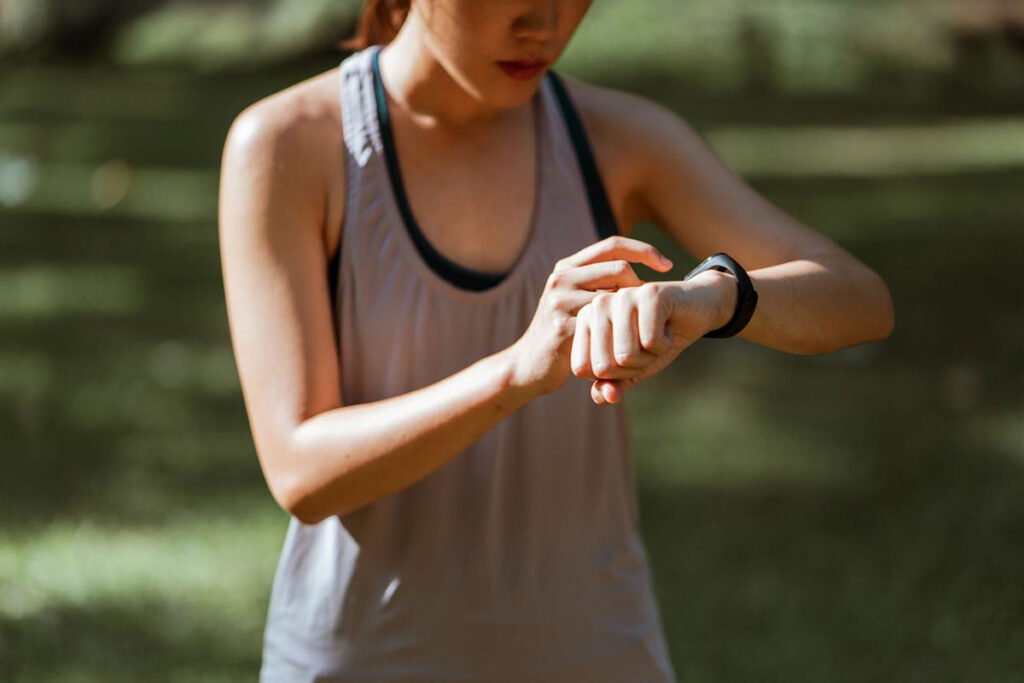
Photo by Káplár Bálint Áron on Unsplash
In This Article
Active Minutes vs Steps: The Key Difference
| Number | What it helps you track | What it can miss |
|---|---|---|
| Steps | How much you move on foot | Walking intensity, cycling, swimming and strength work |
| Active minutes | Time at an effort level defined by your device | Easier movement and some muscle-strengthening activity |
A long, leisurely shopping trip can add steps without much sustained effort. A brisk walk may increase both numbers. A low step total does not automatically mean an inactive day.
For help choosing a walking target, read our guide to 10,000 steps a day.
Why Your Watch May Count Minutes Differently
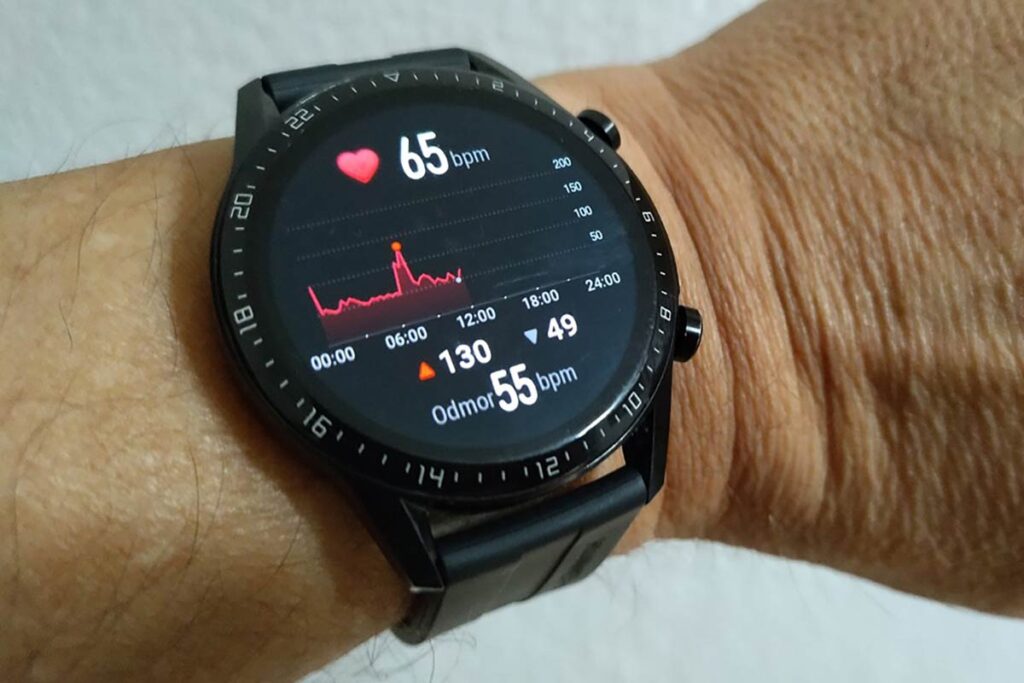
Device rules matter. Fitbit’s official guide explains that Active Zone Minutes count each minute in a vigorous or peak heart-rate zone twice, while a moderate-zone minute counts once.
That means 15 minutes entirely in a vigorous zone can earn 30 zone minutes. Some Fitbit models using the older active-minutes feature require 10 continuous minutes before logging them.
Other devices may use different thresholds, so check your model’s definition before comparing totals with a friend.
Your tracker is applying a rule, not grading your effort.
Which Number Should Guide Your Routine?
Use steps to notice your walking habits and activity time to plan aerobic exercise. In its expert exercise Q&A, Mayo Clinic outlines a weekly goal for most healthy adults: at least 150 minutes of moderate aerobic activity or 75 minutes of vigorous activity, or an equivalent mix, plus strength training at least twice weekly.
Check whether your app shows elapsed minutes or weighted minutes before comparing its weekly total with these goals.
To judge effort without relying only on your watch, use the CDC’s talk test: at moderate intensity, you can hold a conversation, but singing is difficult. Vigorous activity makes speaking more than a few words without a breath difficult.
A 2024 study in JAMA Internal Medicine followed 14,399 women aged 62 or older and found that more steps and more moderate-to-vigorous activity time were each associated with lower risks of death and cardiovascular disease. It was observational, so it cannot prove cause and effect or establish the same results for younger women. It did not test branded tracker scores.
The practical takeaway: choose a measure that helps you keep moving, while understanding its limits.
Put Both Numbers to Work
- Many steps, few active minutes: if comfortable, make part of a walk brisk enough to raise your breathing.
- Few steps after cycling or swimming: record the activity and its effort rather than adding a walk just to satisfy a step target.
- A day spent mostly sitting: add short movement breaks, even if you already completed a workout.
For busy days, explore how to stay active when you have no time to exercise.
Keep beginner strength training for women in the picture, too. Neither total tells you whether you challenged all your major muscle groups.
Try This Today
On your next comfortable walk, notice when singing becomes difficult but conversation still feels manageable. Compare that part of the walk with the minutes your device records.
Frequently Asked Questions
Can I convert steps into active minutes?
There is no reliable universal conversion. The same number of steps can take different amounts of time and involve very different effort levels.
Do short walks count if my tracker misses them?
Yes; short bouts of movement can still be useful. A device’s recording threshold does not determine whether your body benefits from activity.
To find a device that suits the activities you enjoy, use our fitness tracker buying guide to compare everyday options with both steps and active minutes in mind.
Final Thoughts
Let steps help you notice movement and active minutes help you understand effort. Use the numbers to make your next activity choice, while leaving room for strength work and easier days. Your routine should make sense beyond the screen.
Have you ever finished a workout with surprisingly few steps?
Tell us whether steps or active minutes motivate you more.
Share your experience in the comments.