You buy spinach for one dinner, use half a can of beans, and find both behind the milk days later. Meanwhile, a recipe meant for four leaves you facing the same meal all week.
Cooking for one or two works better when you plan the amount you will use and give perishable ingredients a clear next meal.
Here is how to build a satisfying dinner, scale the cooking to your household, and store leftovers while they are still worth eating.
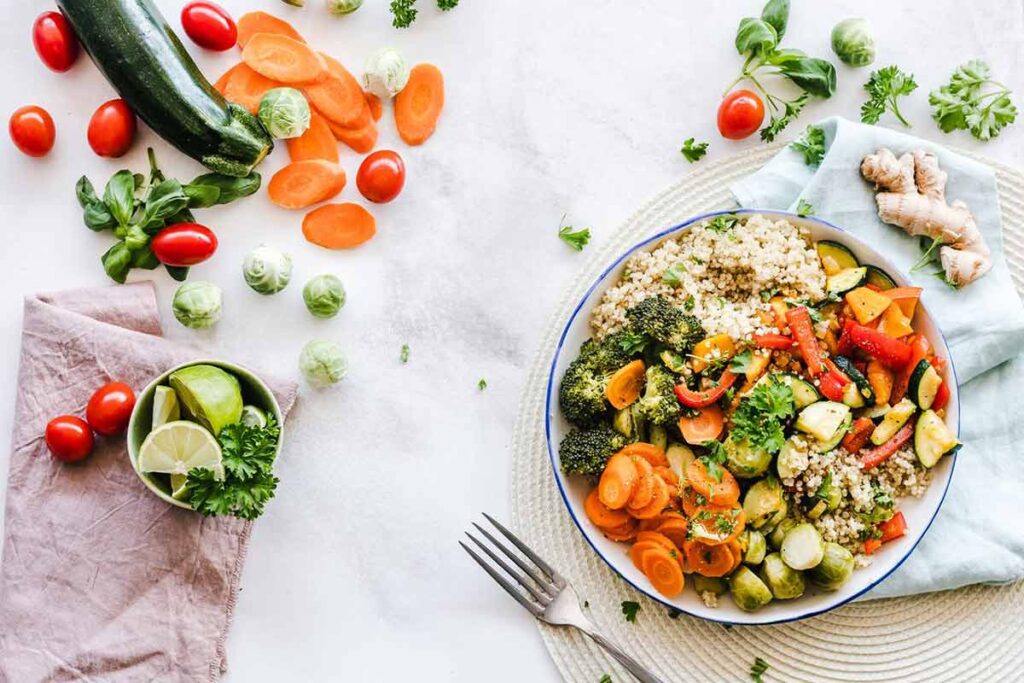
Photo by Ella Olsson on Pexels
In This Article
Start With a Dinner That Feels Complete
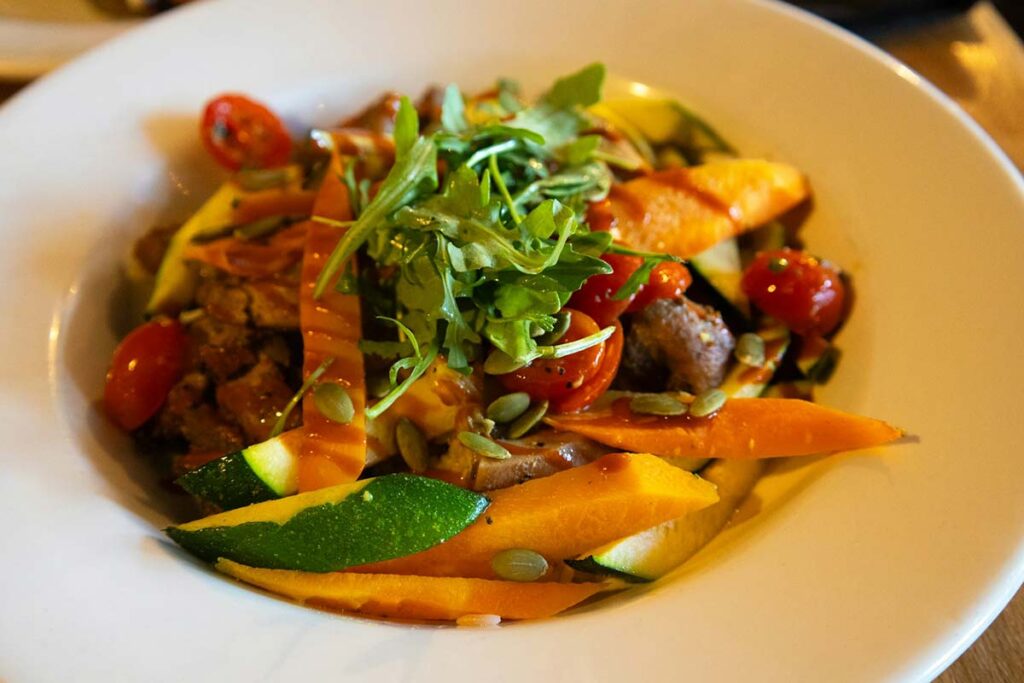
Mayo Clinic dietitians describe balanced meals as a mix of produce, protein, starches or grains, and fats. Think eggs, sautéed spinach, whole-grain toast, and olive oil.
For a visual guide, explore how to build a balanced plate without counting calories. Let your appetite help guide the amount you serve; a small household still deserves a satisfying dinner.
Give Ingredients a Second Meal
Before shopping, check what is already in your fridge and count the evenings you will eat at home. Choose a few ingredients that work in more than one dish.
Tonight: beans, sautéed spinach, and bell pepper over brown rice, finished with olive oil and lemon.
Tomorrow: the remaining spinach and pepper in an omelet, with whole-grain toast.
That second meal gives the vegetables a purpose before you buy them. An ingredient is easier to use when you already know its next meal.
If dinner uses half a can of beans, refrigerate the rest in a covered container for tomorrow’s lunch, or freeze it. Check the package directions for storing opened foods.
Buy loose produce when smaller amounts suit your week, and use frozen vegetables when you want to take out only what you need. For a quick pantry protein, our guide to canned beans explains sodium, fiber, and rinsing.
Match the Recipe to Your Actual Week
Count the meals as well as the people. For a soup or skillet recipe labeled four servings, halving the ingredients gives you about two: dinner for two people, or dinner and another meal for one. If two people want dinner plus tomorrow’s lunch, the full recipe may make sense.
In advice she gives patients who are too busy or tired to cook, registered dietitian Danielle Sobieski recommends frozen ingredients and freezing extra meals in individual portions.
Choose the approach you will use. Give extra portions a destination before cooking them. A larger package is useful when you can eat or freeze the food; compare that with buying a smaller amount you will finish.
When practical, keep cooked grains, vegetables, and sauces separate. You can turn the same rice into a bean bowl one day and a side for eggs the next, changing the flavor without buying a whole new set of ingredients.
Keep One Easy Dinner in Reserve
Leave room for a late workday or a canceled dinner plan. Keep the makings of one easy meal on hand, such as canned beans, frozen vegetables, and microwave brown rice.
Check the fridge before opening anything new. If your plans change, decide that evening which perishable foods you can use soon and which suitable foods to freeze while still fresh.
Put Leftovers Away Promptly
Follow USDA leftover storage guidance:
Divide cooked leftovers into shallow containers and refrigerate within 2 hours, or 1 hour if the air temperature is above 90°F.
Keep your refrigerator at 40°F or below.
Use refrigerated leftovers within 3–4 days, or freeze portions you will not eat in that time.
Label containers with the cooking date. Reheat leftovers to 165°F, checking with a food thermometer.
Try This Today
Put one safely stored freezer meal on next week’s calendar before writing your grocery list. You will have a dinner planned around food you already own.
Frequently Asked Questions
How do I cook for two people with different appetites?
Prepare shared ingredients, then serve different amounts or offer extra rice, beans, or toast. The recipe’s serving count helps with planning; your plates can look different.
What if I have very little freezer space?
Choose recipes designed for one or two and buy smaller amounts of perishable foods. Keep a quick pantry dinner available for nights when the fresh ingredients are gone.
Final Thoughts
Start with two dinners that share a few ingredients, then decide what you will cook, refrigerate, or freeze. A useful dinner plan fits the week you actually have. Your own dinner deserves that care, too.
What tends to go unused when you cook for one or two?
Share a dinner that helps you use what is already in your fridge.
Leave your idea in the comments to help another reader plan her next meal.