

Healthy eating can start to feel surprisingly complicated.
One day carbohydrates are the problem. The next day it is fat, meal timing, sugar, or whether you are getting enough protein. Meanwhile, you still need to decide what to make for lunch when you have 15 minutes and half a refrigerator of leftovers.
A balanced meal does not need to follow a perfect formula. A simpler goal is to combine foods that provide protein, fiber-rich carbohydrates, plants, and healthy fats in a way that leaves you nourished and satisfied.
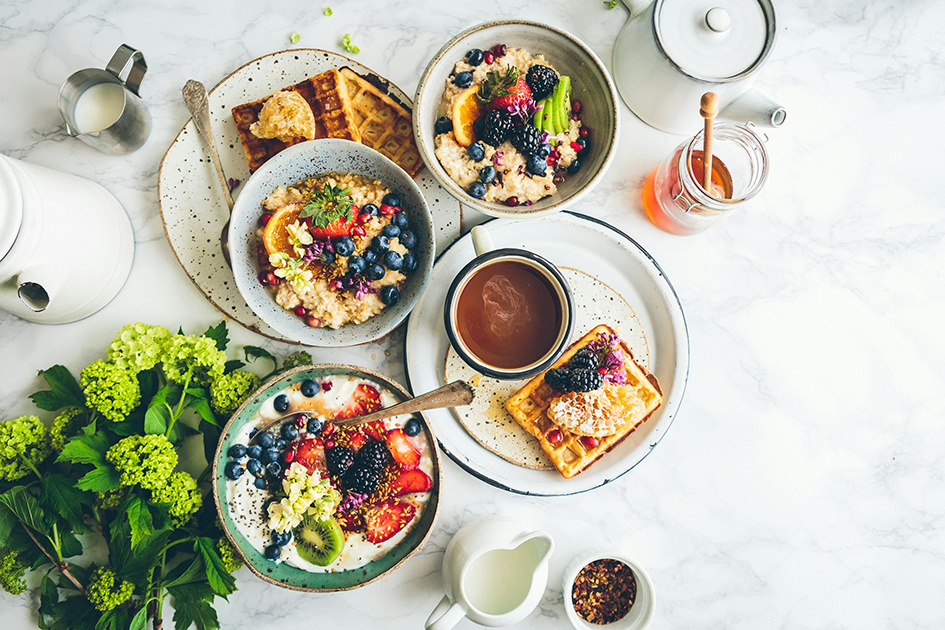
Photo by Brooke Lark on Unsplash
What Does a Balanced Meal Actually Look Like?
One useful starting point is to think about the different jobs food does on your plate.
Harvard’s Healthy Eating Plate suggests making about half the plate vegetables and fruits, one quarter whole grains, and one quarter healthy protein, while including healthy plant oils in moderation. The proportions are intended as a flexible visual guide, not a prescription for exact calories or serving sizes.
That means a balanced dinner might be salmon, roasted vegetables, brown rice, and a little olive oil. But the same idea can work with soup, sandwiches, breakfast, or a meal assembled from leftovers.
Start With a Source of Protein
Protein does more than belong to gym culture. Your body uses it to maintain and repair tissues, and including protein in a meal can also make that meal more satisfying.
Practical options include eggs, Greek yogurt, chicken, fish, tofu, beans, lentils, cottage cheese, nuts, and seeds.
Cleveland Clinic dietitian Teresa Eury, RD, explains why some meals leave us hungry again quickly: “Foods low in protein, high in refined sugars and lacking heart-healthy fats tend to leave us feeling hungry.”
Her practical example is refreshingly ordinary: a salad with chicken and walnuts, with a baked potato or sweet potato on the side. It combines vegetables, protein, fat, and a carbohydrate without turning lunch into a nutrition project.
Do Not Be Afraid of Carbohydrates
Carbohydrates are not automatically the part of the meal that needs to disappear.
Instead, think about which carbohydrates you eat most often. Oats, potatoes, beans, brown rice, quinoa, whole-grain bread, fruit, and other fiber-rich foods bring more nutritional value than relying mainly on highly refined options.
Pairing them with protein, vegetables or fruit, and some fat also creates a more complete meal.
If low energy is one of your biggest concerns, our guide to foods that support steady energy takes a closer look at everyday food choices.
Let Plants Take Up Some Space
You do not need a giant salad at every meal.
Frozen vegetables count. So do berries in yogurt, tomatoes in an omelet, vegetable soup, an apple with lunch, or broccoli tossed into pasta.
Variety matters more than chasing one “superfood.” Different fruits and vegetables provide different combinations of fiber, vitamins, minerals, and plant compounds.
And if certain foods regularly leave you bloated or uncomfortable, that does not necessarily mean you need to eliminate whole food groups. Our guide to signs your gut may be out of balance explains when digestive patterns deserve a closer look.
Add Healthy Fat Without Making It Complicated
A little fat can add flavor and help make a meal more satisfying.
Think olive oil over vegetables, avocado with eggs, walnuts in oatmeal, seeds on yogurt, or nut butter with fruit.
The goal is not to calculate the percentage of fat in every meal. It is to make room more often for foods such as nuts, seeds, avocado, fish, and plant oils rather than treating all dietary fat as something to avoid.
Three Balanced Meals You Can Actually Make
A balanced meal can be very simple:
Breakfast: Greek yogurt, oats, berries, and walnuts.
Lunch: Whole-grain toast with eggs or hummus, tomatoes, cucumber, and fruit.
Dinner: Chicken, salmon, tofu, or beans with potatoes or brown rice, vegetables, and olive oil.
None of these meals is nutritionally “perfect.” They simply include several food groups and give you a useful structure you can adjust to your appetite, schedule, preferences, and budget.
What About Snacks?
A snack does not have to become another carefully engineered mini-meal.
If you need something that holds you until dinner, pairing two types of food often works better than grabbing something very light on its own: apple and peanut butter, yogurt and berries, hummus and vegetables, or cheese with whole-grain crackers.
If you are not hungry between meals, you do not need to snack simply because a schedule says you should.
You Do Not Need a Perfect Plate at Every Meal
This may be the most useful rule of all.
The NHS Eatwell Guide specifically notes that you do not have to achieve perfect balance with every individual meal. The overall pattern across a day or even a week matters more. It also advises people with medical conditions or special dietary needs to seek individualized guidance from a doctor or registered dietitian.
Pregnancy, diabetes, digestive disease, food allergies, eating disorders, kidney disease, and other medical circumstances can all change what “balanced” means for one person.
Final Thoughts
Healthy eating does not require a flawless plate, a complicated meal plan, or a list of foods you are never allowed to eat.
Start with a few questions instead: Where is my protein? Is there some fiber? Can I add a fruit or vegetable? Is this meal satisfying enough for me?
Food should support your life, not control it. A balanced way of eating is something you can return to again and again, even when real life is busy.
Maybe it is a carefully planned dinner, or maybe it is yogurt, fruit, oats, and nuts on a day when cooking simply is not happening.
Share your favorite simple meal in the comments below — it may give another reader an idea for her next busy day.