

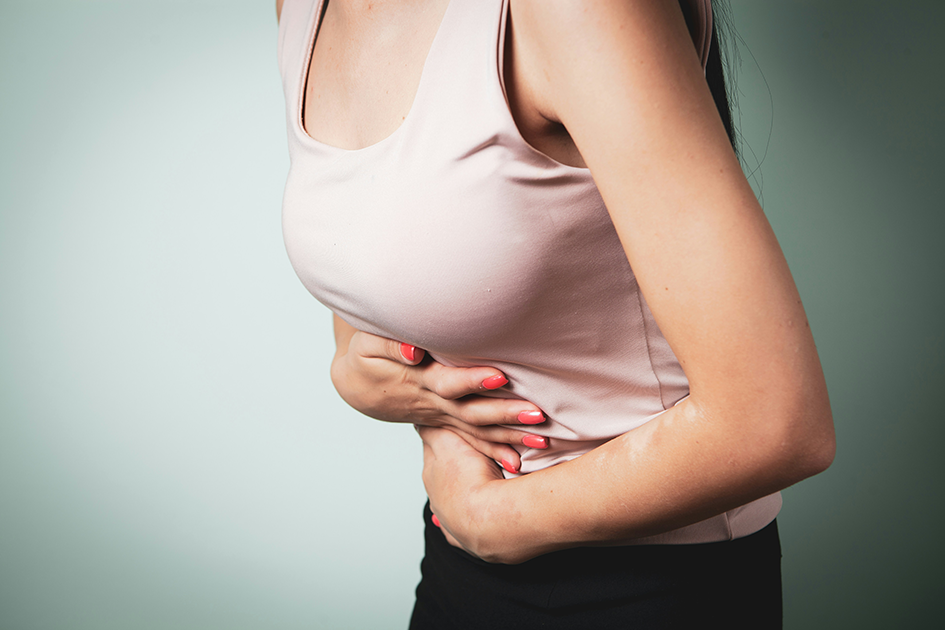
Bloating can make your abdomen feel tight, full, or simply uncomfortable, especially after a meal.
It is also very common. Research summarized by the National Institute of Diabetes and Digestive and Kidney Diseases suggests that about 16% to 31% of people experience bloating.
Gas is one possible cause, but constipation, food intolerances, irritable bowel syndrome (IBS), menstrual changes, and other digestive issues can also play a role.
That is why there is no single trick that works for everyone. But when bloating is occasional and mild, a few simple changes may help you feel more comfortable.
Photo by Sasun Bughdaryan on Unsplash
1. Slow Down When You Eat
Eating quickly can make you swallow more air, which may contribute to gas and bloating.
Try putting your fork down occasionally, chewing thoroughly, and giving yourself a little more time to finish your meal.
You do not need to count chews or turn lunch into a mindfulness exercise. Simply eating less hurriedly can be a useful place to start.
2. Take a Break From Fizzy Drinks
Carbonated drinks introduce extra gas into your digestive system.
If you notice that sparkling water, soda, or other fizzy drinks leave your stomach feeling particularly full, try switching to still water for a few days and see whether it makes a difference.
This is especially worth testing if your bloating tends to appear soon after drinking them.
3. Take a Gentle Walk
Movement can be surprisingly helpful when you feel gassy or sluggish after eating.
Cleveland Clinic notes that physical activity helps move food, waste, and gas through the intestinal tract. Registered dietitian Beth Czerwony, RD, LD, and colleagues commonly recommend walking as one of the simplest approaches to trapped gas and bloating.
You do not need an intense workout. A comfortable walk around the block or ten minutes of light movement may be enough to see whether activity helps you.
If walking regularly seems to improve your digestion, it can also become part of a longer-term routine rather than something you do only when bloating appears.
4. Pay Attention to Constipation
Sometimes the problem is not a particular food at all.
When stool stays in the colon longer, gas and digestive contents may build up and contribute to a feeling of fullness or pressure. Cleveland Clinic lists constipation as one of the common digestive causes of bloating.
Regular movement, adequate fluids, and enough dietary fiber may help support bowel regularity.
But increase fiber gradually. Suddenly adding large amounts of bran, beans, or high-fiber foods can temporarily create more gas and bloating.
5. Look for Patterns Instead of Blaming One Food
Beans, lentils, dairy products, wheat, onions, broccoli, and many other foods can cause bloating in some people.
That does not mean they are “bad” foods or that everyone with bloating should avoid them.
Keep a simple note for a week or two:
- What did you eat?
- When did bloating begin?
- Were you constipated?
- Were you close to your period?
- Was the portion unusually large?
- Did the same food cause symptoms more than once?
A pattern is much more useful than eliminating several foods after one uncomfortable meal.
If digestive symptoms happen frequently, our guide to signs your gut may be out of balance can help you look at the bigger picture.
6. Remember That Your Cycle Can Matter
For some women, bloating changes throughout the menstrual cycle.
Hormonal fluctuations can affect fluid retention as well as the way food and gas move through the digestive tract. That can help explain why a meal that normally feels fine may leave you noticeably more bloated at another point in the month.
If bloating predictably appears around your period and then improves, tracking the timing for a few cycles can provide useful context.
7. Give Stress Some Attention, Too
The gut and brain communicate constantly, which is one reason digestive symptoms sometimes become more noticeable during stressful periods.
A short walk, slow breathing, stretching, taking a real lunch break, or simply sitting quietly for a few minutes will not “cure” bloating. But reducing tension may help when stress is contributing to digestive discomfort.
The goal is not to blame symptoms on stress. It is to recognize that digestion is influenced by more than food alone.
When Persistent Bloating Needs More Than Home Remedies
A real Cleveland Clinic case illustrates why persistent bloating should not automatically be treated as a food problem.
A 41-year-old woman had experienced fullness and bloating after meals for more than 10 years. Previous testing had not revealed ulcers or H. pylori, and acid-suppressing medications had not helped. Specialists eventually diagnosed functional dyspepsia, a disorder involving chronic upper digestive symptoms, and treated the underlying condition.
The lesson is not that persistent bloating means you have functional dyspepsia. It is that long-lasting symptoms can have causes that cannot be identified by simply removing one food after another.
The NHS advises seeing a doctor if bloating happens regularly, does not go away, persists despite dietary changes, or occurs with unexplained weight loss or blood in your stool. Seek urgent medical help for symptoms such as severe sudden abdominal pain, vomiting blood, or an inability to pass stool or gas.
Frequently Asked Questions
How long does it take for bloating to go away?
It depends on the cause. Bloating related to a large meal, gas, or temporary constipation may improve within hours, while bloating linked to an underlying digestive condition can last longer or return frequently.
Can drinking water help reduce bloating?
It may help, especially when constipation or higher sodium intake is contributing. Regular hydration supports normal digestion, but drinking excessive amounts of water at once is unlikely to provide an instant fix.
When should I worry about frequent bloating?
Talk with a healthcare professional if bloating is persistent, becoming more severe, or occurs with symptoms such as unexplained weight loss, vomiting, blood in the stool, severe abdominal pain, or major changes in bowel habits.
Final Thoughts
Occasional bloating often improves on its own, and simple changes can sometimes make the waiting more comfortable.
Eat a little more slowly. See whether fizzy drinks are contributing. Move gently after meals. Pay attention to constipation and recurring food patterns rather than immediately cutting out whole food groups.
And if bloating keeps returning or changes noticeably, treat that as useful information rather than something you simply have to live with.
Noticing when it happens can sometimes be more useful than immediately cutting foods from your diet.
Share what patterns you have noticed in the comments below — your experience may help another reader know what to watch for.