

Pregnancy changes your body, but it does not automatically mean you need to stop exercising.
For most women with a healthy, uncomplicated pregnancy, regular physical activity can remain part of everyday life. The important part is adjusting intensity, balance, position, and exercise choices as your body changes.
If you have a medical or pregnancy complication, or you are unsure whether a particular activity is appropriate, talk with your obstetric care provider before continuing or starting a routine.
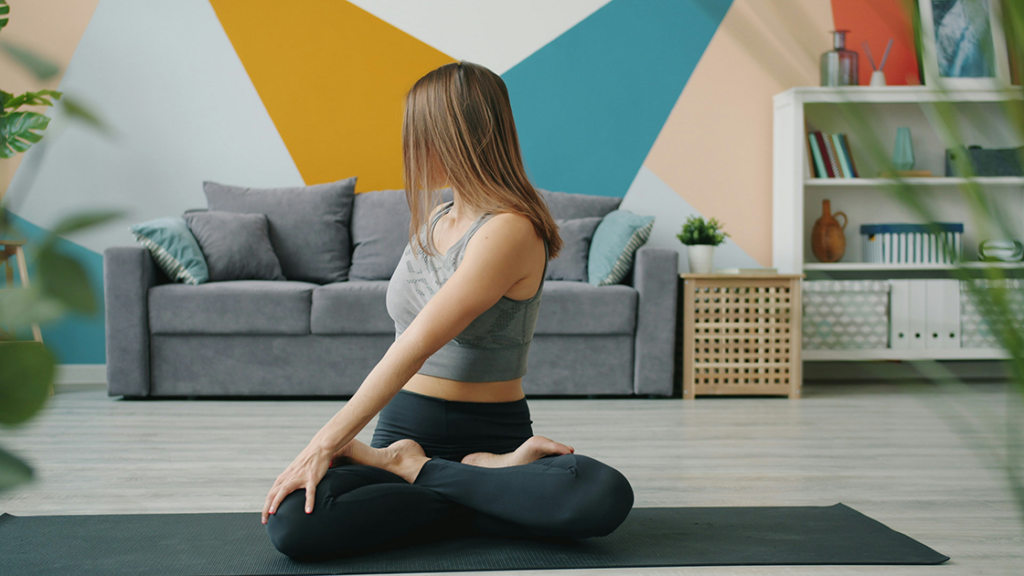
Photo by Vitaly Gariev on Unsplash
How Much Exercise Is Recommended During Pregnancy?
The American College of Obstetricians and Gynecologists (ACOG) recommends that women with uncomplicated pregnancies aim for at least 150 minutes of moderate-intensity aerobic activity per week.
Moderate intensity means your heart rate and breathing increase, but you should still be able to talk normally. If you were not active before pregnancy, ACOG recommends starting gradually, even with just a few minutes at a time.
That 150 minutes does not need to happen in long workouts. A 20-minute walk here and a short swim there can add up.
Walking Is Often the Simplest Place to Start
Walking requires little equipment and can easily be adjusted as pregnancy progresses.
You can shorten the distance, slow the pace, or take more breaks when needed.
If walking becomes uncomfortable because of pelvic pressure, back pain, or fatigue, that is not a sign that you have “failed” at staying active. Your exercise routine is supposed to adapt to pregnancy.
If low energy is making movement difficult, our article on pregnancy fatigue and everyday energy can help you look at sleep, nutrition, hydration, and other factors together.
Swimming and Water Exercise Can Feel Especially Comfortable
Swimming and water workouts can be useful because the water supports some of your body weight.
For women who feel increasingly heavy or uncomfortable on land, being in the water may make movement easier on the back, hips, and knees.
A stationary bike can also be an option. As pregnancy progresses and balance changes, it is generally safer than cycling outdoors where a fall is possible.
Prenatal Yoga and Pilates Need Pregnancy-Specific Modifications
Yoga and Pilates can support flexibility, controlled movement, and relaxation, but not every class is designed for pregnancy.
Look for prenatal versions or tell the instructor that you are pregnant and how far along you are.
Avoid hot yoga and hot Pilates, and modify positions that become uncomfortable as your belly grows.
Pregnancy is not the time to compete for the deepest stretch.
Strength Training Does Not Automatically Need to Stop
The old advice to simply “avoid lifting weights” during pregnancy is too broad.
Women with uncomplicated pregnancies can generally participate in strength-conditioning exercise, although loads and movements may need to change.
OB-GYN Salena Zanotti, MD, emphasizes the bigger principle:
“The most important thing to remember is to listen to your body’s cues and not push yourself too hard.”
She notes that women who already lift weights may often continue with modifications, such as reducing the load rather than trying to maintain maximal lifting performance.
Useful options may include:
- supported squats
- resistance-band exercises
- wall or elevated push-ups
- light-to-moderate resistance exercises
- controlled upper-body and lower-body strength work
Good form becomes increasingly important as your center of gravity changes.
What About Running?
If you were already a runner before pregnancy, pregnancy does not necessarily mean you must stop.
ACOG OB-GYN Anne Srisuro, MD, describes one patient who continued training after becoming pregnant despite previously running half marathons. As her belly grew and pelvic pressure made running uncomfortable, she simply reduced her training.
The lesson was not “keep running no matter what.” It was to adapt when your body tells you the old routine no longer fits.
Someone who has never run before pregnancy should not use pregnancy as the time to suddenly begin an intense running program.
Activities That Deserve More Caution
Some activities carry risks that cannot be solved simply by “being careful.”
Avoid activities with a significant risk of falling or being hit in the abdomen, such as:
- contact sports
- downhill skiing
- horseback riding
- gymnastics
- off-road cycling
- skydiving
Scuba diving should also be avoided during pregnancy.
After about 20 weeks, prolonged exercise while lying flat on your back may reduce blood return to the heart because of pressure from the uterus, so exercises may need to be modified. ACOG also recommends attention to hydration, avoiding overheating, and adapting exercise when medical or obstetric complications are present.
Know the Signs That Mean “Stop”
Listening to your body means more than deciding whether a workout feels difficult.
Stop exercising and contact your obstetric care provider if you experience warning signs such as:
- vaginal bleeding
- dizziness or fainting
- chest pain
- significant shortness of breath
- severe or unusual pain
- regular painful contractions
- fluid leaking from the vagina
- calf pain or swelling
- muscle weakness that affects balance
Do not try to “push through” symptoms because you exercised at a higher level before pregnancy.
A Simple Pregnancy Movement Week
Your routine does not need to look like a fitness program.
A realistic week might include:
Monday: 20–30 minute walk
Tuesday: gentle strength exercises
Wednesday: rest or light stretching
Thursday: walk or swimming
Friday: prenatal yoga
Saturday: another walk or comfortable activity
Sunday: rest
Your actual routine can be shorter or longer depending on your fitness level, trimester, symptoms, pregnancy history, and advice from your healthcare professional.
The goal is not to hit every workout perfectly. It is to keep moving safely when your pregnancy allows it.
Do Not Forget Food, Fluids, and Recovery
Exercise is only one part of staying well during pregnancy.
Regular meals, adequate fluids, and enough recovery matter too. If you are increasing your activity but struggling with hunger or energy, see our pregnancy nutrition guide for a more complete look at balanced eating during pregnancy.
And if anxiety is making it difficult to relax or stay active, our guide to pregnancy stress and anxiety offers gentler ways to support emotional well-being.
When Exercise Advice Needs to Be Individual
Not every pregnancy follows the same rules.
Women with certain heart or lung conditions, pregnancy complications, bleeding, significant anemia, cervical or placental problems, or other medical concerns may need individualized recommendations or restrictions.
That is why “safe during pregnancy” should never mean “safe for every pregnant woman in every circumstance.”
Your prenatal care team knows your medical history and pregnancy in a way an online article cannot.
Frequently Asked Questions
Is walking enough exercise during pregnancy?
For many women with uncomplicated pregnancies, walking can be a very useful form of activity. It is easy to adjust by changing the pace, distance, or number of breaks, but your overall activity plan should still reflect your fitness level, symptoms, trimester, and advice from your pregnancy care provider.
Can I continue strength training while pregnant?
Often yes, especially if you were already strength training before pregnancy. Loads, positions, and exercises may need to change as pregnancy progresses, and good form becomes increasingly important as balance and your center of gravity change.
What exercises should be avoided during pregnancy?
Activities with a high risk of falling, abdominal impact, overheating, or pressure-related complications deserve more caution. Contact sports, horseback riding, downhill skiing, gymnastics, off-road cycling, skydiving, and scuba diving are among the activities generally avoided during pregnancy.
When should I stop exercising during pregnancy?
Stop and contact your obstetric care provider if you experience warning signs such as vaginal bleeding, dizziness or fainting, chest pain, significant shortness of breath, regular painful contractions, fluid leakage, severe or unusual pain, calf swelling, or weakness that affects balance.
Final Thoughts
Exercise during pregnancy does not have to be intense to matter.
Walking, swimming, modified yoga, stationary cycling, and appropriately adjusted strength work can all be reasonable options for many women with uncomplicated pregnancies.
Start from your own fitness level, adjust as pregnancy changes, and pay attention to symptoms rather than trying to maintain a pre-pregnancy standard.
The goal is not to prove how much your pregnant body can do. It is to keep it moving in ways that still feel safe and sustainable.
Maybe walking still feels great, or perhaps swimming, stretching, or a shorter strength routine suits your changing body better.
Share your experience in the comments below — it may help another mom-to-be find an activity worth discussing with her healthcare provider.