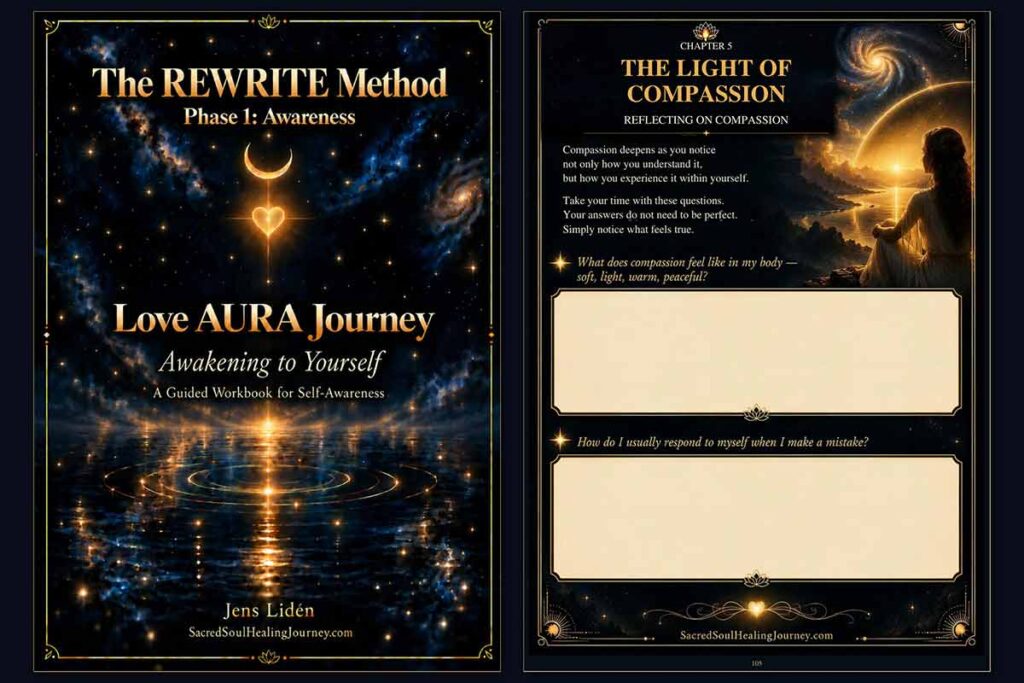
You want to start journaling, but a blank page leaves you wondering what to say. A gratitude prompt, a daily plan, and an exercise about a worry offer very different starting points.
The best journals for mental health give you different amounts of structure. This guide compares five journals to help you choose one that fits how you want to write.
A 2022 systematic review of 20 randomized trials found possible benefits from journaling interventions, but results varied and the evidence had methodological limitations. These findings do not establish that the five journals below treat anxiety or other mental health conditions.
If you have been feeling emotionally exhausted lately, start with a length and structure that feel manageable.
Photo by Polina on Pexels
In This Article
Affiliate Disclosure
As an Amazon Associate, I earn from qualifying purchases. This article contains affiliate links, which may earn BloomHerLife a commission at no extra cost to you. Thank you for supporting BloomHerLife.
How These Journals Compare
This guide compares daily structure, prompt style, planning features, and flexibility. Product descriptions were checked against manufacturer or publisher information and the linked Amazon listings. The recommendations focus on matching a writing format to your preferences.
| Journal | Main structure | Consider before buying |
|---|---|---|
| The Five Minute Journal | Short morning and evening gratitude prompts | Repeating prompts offer less freedom for open-ended entries. |
| Clever Fox Self-Care Journal | Reflection, schedules, and wellness trackers | More sections to complete than a simple diary. |
| The 6-Minute Diary | Brief daily entries with introductory guidance | The original and PURE editions have different introductions. |
| The Anxiety Journal | Themed writing exercises and explanations about worry | A workbook format rather than a repeating daily diary. |
| Worry for Nothing | A question sequence focused on one concern | Requires focused reflection on a particular worry. |
1. The Five Minute Journal
The Five Minute Journal uses five short daily prompts divided between morning and evening, with a focus on gratitude and reflection.
Its structured format may suit readers who want a brief, repeatable routine. If you prefer long diary entries or exploring difficult feelings without set questions, a blank notebook may offer more flexibility.
Key Features
- Five daily prompts
- Morning and evening entries
- Gratitude-focused format
Best For
Readers who prefer short, structured entries to open-ended writing.
Consider Before Buying
The gratitude-focused format may feel repetitive if you want varied topics or more freedom to write.
2. Clever Fox Self-Care Journal
Clever Fox Self-Care Journal combines guided reflection with daily planning over a three-month period. Morning pages include gratitude, an affirmation, a daily goal, and space for a schedule and to-do list. Evening pages offer two reflection questions that change each day.
Compared with The Five Minute Journal, it includes more planning and tracking tools. This may suit readers who want to keep their routines and reflections in one place.
Key Features
- Three months of guided entries
- Morning planning and evening reflection
- Wellness trackers
- Monthly self-care planning
Best For
Readers who want a journal and self-care planner in one book.
Consider Before Buying
The extra planning and tracking sections may feel like too much if you only want a few short writing prompts.
You can use the planning sections to schedule small self-care habits that fit your day.
3. The 6-Minute Diary
The 6-Minute Diary is built around short morning and evening entries focused on gratitude and self-reflection. The original edition also includes a substantial introduction explaining the approach and how to use the journal.
Like The Five Minute Journal, it offers a brief daily writing routine. Its longer introductory section may appeal to readers who want more guidance before starting, while Clever Fox is better suited to combining reflection with daily planning.
Key Features
- Morning and evening prompts
- Gratitude and self-reflection format
- Detailed introduction in the original edition
- Designed for 21 weeks of daily use
Best For
Readers who want a short daily routine with background reading and instructions.
Consider Before Buying
The original edition and the PURE edition have different introductory sections. Choose the original for more background reading, or PURE if you prefer to begin with less introductory material.
4. The Anxiety Journal by Corinne Sweet
Written by psychologist and psychotherapist Corinne Sweet, The Anxiety Journal combines explanations about anxiety with writing prompts, mindfulness exercises, and techniques drawn from cognitive behavioral therapy (CBT).
Unlike the gratitude-focused journals above, it centers on worries and anxious thoughts. It may suit readers who prefer themed exercises and explanatory material to a repeating morning-and-evening routine.
Key Features
- Written by a psychologist and psychotherapist
- Anxiety-focused prompts and explanations
- Mindfulness exercises
- Exercises drawing on CBT techniques
Best For
Readers looking for a guided self-help workbook focused on worry rather than gratitude or daily planning.
Consider Before Buying
Using CBT-based exercises in a journal is not the same as receiving individualized CBT from a qualified professional. This book should not replace care for persistent or disruptive anxiety.
If worries keep returning at bedtime, our guide to overthinking before bed offers ideas for a brief writing routine.
5. Worry for Nothing: A Guided Anxiety Journal
Worry for Nothing by Four Progress uses a structured sequence of CBT-inspired prompts. The questions ask you to describe a worry, record physical and emotional sensations, examine evidence for and against the thought, and consider an alternative interpretation.
Compared with a gratitude journal, this format focuses on a specific worry rather than reviewing the day. It may suit readers who prefer a step-by-step writing exercise to an open-ended diary entry.
Key Features
- CBT-inspired question sequence
- Prompts about thoughts and physical sensations
- Space to examine evidence for and against a worry
- A focus on individual worries rather than daily planning
Best For
Readers who want a structured way to write about a particular worry.
Consider Before Buying
The questions require more focused reflection than a brief gratitude entry. CBT-inspired prompts do not make the journal a substitute for individualized therapy or establish that it treats an anxiety disorder.
How to Choose the Right Journal
Before choosing, ask yourself:
- Do I want short repeating prompts or varied exercises?
- Will planning pages help me, or make writing feel like more work?
- Do I want to review the day or explore one specific concern?
In Cleveland Clinic’s gratitude-journaling guidance, psychologist Susan Albers, PsyD, describes using the practice in her clinical work and encourages people to notice small, specific experiences. She notes:
Authentic gratitude doesn’t have to be anything grand.
If you are planning a mental reset day, a short entry can be one option for reflection without committing to a daily writing schedule.
Try This Today
Before buying, try two prompts on any paper: “Today I appreciated ___” and “One concern on my mind is ___.” Notice which feels more natural, then use that preference to guide your choice.
Frequently Asked Questions
Do I need to complete every prompt or write every day?
No. You can leave a prompt blank, write less often, or switch to open-ended entries. The five- and six-minute product names describe suggested routines, not a required amount of writing or a guarantee of results.
What if journaling makes me feel worse?
Harvard Health notes that expressive writing can initially feel upsetting. Pause if you become increasingly distressed, and speak with a qualified professional if this keeps happening. You do not need to force yourself to continue.
When should I seek professional support?
NIMH recommends professional help for distressing symptoms lasting two weeks or more, including loss of interest, sleep difficulties, or trouble completing usual activities. Seek help sooner if symptoms are severe or worsening. A different journal should not replace appropriate assessment and treatment.
Final Thoughts
The most useful journal is one whose format fits the way you want to write. Short gratitude prompts, planning pages, and worry-focused exercises serve different purposes, so choose the structure you are likely to use.
You do not need a branded journal to begin: a plain notebook is also an option. Treat these products as tools for personal reflection, without expecting a particular mental health outcome.
Which journaling format feels most natural to you?
Tell us what helps you return to the page.
Share your experience in the comments below.