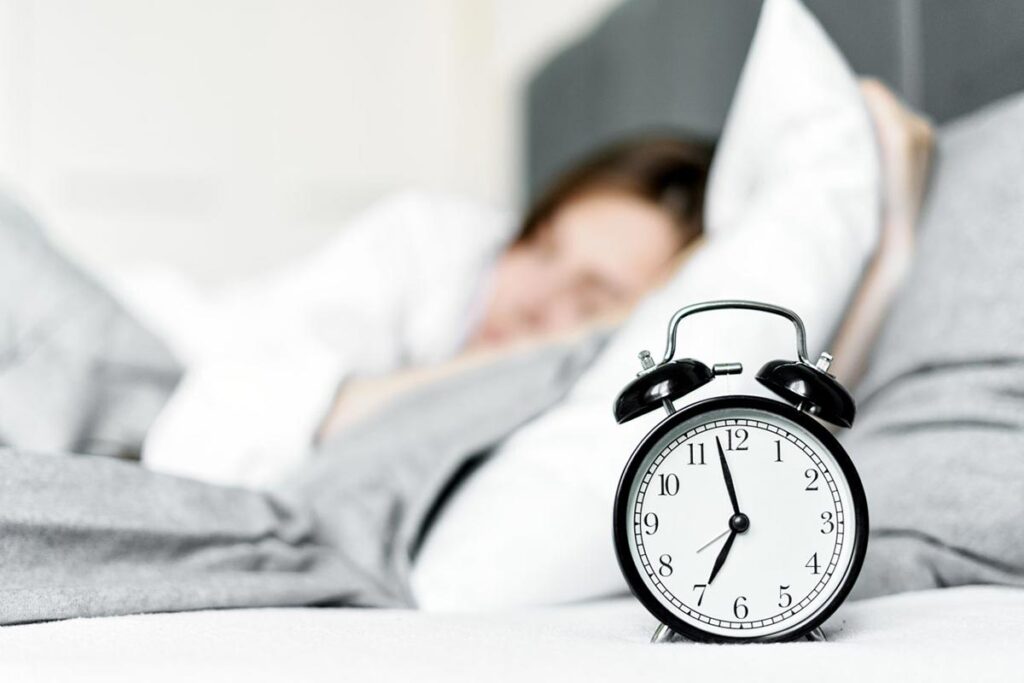
The room is still dark when your alarm sounds. You hit snooze, then search for something that might make mornings feel easier: a sunrise clock, a daylight lamp, or a device promising both.
The labels can make them look interchangeable.
A light therapy lamp and a sunrise alarm clock serve different purposes. One provides bright light while you are awake; the other gradually adds light before your alarm. Understanding that difference can help you separate a gentler wake-up from treatment for seasonal mood symptoms.
Photo by Anastasiya Vragova on Pexels
In This Article
The Difference at a Glance
Light therapy lamp and sunrise alarm clock comparison
| Feature | Light therapy lamp | Sunrise alarm clock |
| Main purpose | Bright-light therapy, commonly for winter-pattern depression | A gradual transition to waking |
| When used | While awake, often after getting up | Before your scheduled wake-up time |
| Light pattern | Sustained bright light | Light that gradually brightens |
| What to check | Lux at a stated distance and UV filtering | Sunrise duration, brightness, and sound backup |
A soft glow does not establish a therapeutic light dose.
What a Light Therapy Lamp Does
In a published Mayo Clinic Q&A, a reader described feeling more depressed each winter and asked whether a light box could help. Mayo explains that light therapy may relieve symptoms of seasonal affective disorder (SAD), sometimes alongside psychotherapy or medication.
Typical guidance involves 10,000 lux for about 20–30 minutes soon after waking, with eyes open but without looking directly into the light. Use a UV-filtered lamp intended for SAD, following its specified distance and your clinician’s plan.
Distance is part of the dose. A brightness claim needs a measurement distance; a lamp across the room may not provide the exposure described in its instructions.
What a Sunrise Alarm Clock May Help With
A sunrise clock gradually brightens before your wake-up time, often adding sound at the end. For someone who dislikes an abrupt alarm in a dark bedroom, that transition may feel more comfortable.
In a small 2010 study, 16 adults who struggled with waking felt less sleepy and more alert after simulated dawn. The researchers found no significant improvement in task performance or cortisol response.
That supports modest expectations about morning grogginess, without proving benefits for every retail model. If this matches your goal, our sunrise alarm clock guide compares practical options.
Match the Device to Your Main Concern
The alarm feels abrupt: a sunrise clock may suit your preference; retain a sound backup until you know whether light wakes you reliably.
Your mood drops each winter: discuss assessment and treatment options before treating a clock as a light-therapy substitute.
You sleep too little: protect sleep time first; neither device supplies missing sleep.
If mornings feel crowded even after you are awake, our calm morning routine offers small ways to reduce rushing.
If bedtime keeps slipping later, our simple evening habits offer a starting point.
Try This Today
Write down whether the difficulty is waking, getting enough sleep, or feeling low through the day. Bring that distinction to your next appointment or use it to clarify what you want a device to do.
Check with your clinician before bright-light therapy if you have bipolar disorder, eye disease, or take medicines that increase light sensitivity. The National Institute of Mental Health describes persistent low mood, loss of interest, and sleep or appetite changes among depression symptoms; seek assessment if these last around two weeks, or sooner if severe or disrupting daily life.
Our guide to winter blues explores the wider seasonal pattern.
Frequently Asked Questions
Can a sunrise alarm clock treat SAD?
Clinical dawn simulation has shown benefits in some studies, including a 2001 randomized trial of 95 adults. That does not establish that a retail sunrise clock reproduces the tested treatment; discuss an appropriate device and protocol with your clinician.
Will a sunrise alarm work if I wear a sleep mask?
A mask can block the light the clock relies on, so you may miss the sunrise effect. Keep an audible alarm if you need to wake at a specific time.
Final Thoughts
Choose according to the part of your morning you want to change. A sunrise clock may make waking feel gentler; a light therapy lamp belongs within a more deliberate plan for bright-light exposure. Persistent low mood deserves care beyond the bedside table.
What feels hardest about dark mornings for you?
Have you tried a sunrise clock or a light therapy lamp?
Share what you noticed in the comments below.