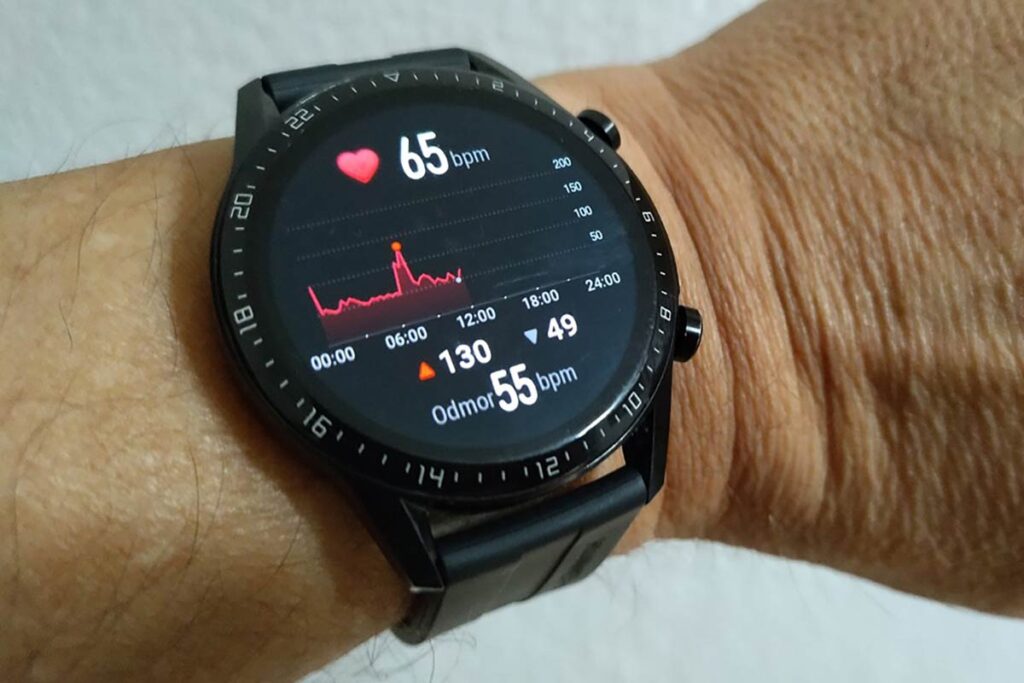
If you are wondering how to stay active when you have no time to exercise, start with the gaps that already exist in your day.
A brief walk between tasks can be more manageable than waiting for a completely free evening.
Work, caregiving, and household responsibilities can leave little room for a formal session. Short bouts of movement can help you build activity around those demands, while a realistic weekly plan gives those small efforts a direction.
Photo by Resume Genius on Unsplash
In This Article
Know What Your Weekly Goal Includes
The CDC recommends at least 150 minutes of moderate-intensity aerobic activity or 75 minutes of vigorous activity each week, plus strength activities on at least two days that work all major muscle groups.
You can build toward these goals gradually and divide activity into shorter sessions. Light movement breaks help interrupt sitting, while aerobic and strength activities have their own roles in your week.
How to Stay Active in Short Breaks
Match a short walk to something already in your day: the end of a call, a lunch break, or a trip to refill water. Standing up can be a reminder to move, and taking a few steps adds activity.
Former Mayo Clinic endocrinologist James Levine put it this way: “Don’t sit when you can stand, and don’t stand when you can move.”
Make Walking Fit Your Existing Plans
Look for a walking opportunity that fits your surroundings and current fitness:
- Walk part of a familiar errand when practical.
- Take a short loop before lunch.
- Use a clear indoor route during a phone call.
- Choose stairs when they feel comfortable and appropriate.
Our walking guide discusses pace, time, and realistic expectations.
Use Short Workouts as Part of a Plan
Mayo Clinic physical therapist Danielle Johnson encourages busy people to find movement within a normal day. A walking meeting is one example she gives.
When you have time for a structured session, our 10-minute workout offers one format. Allow extra time for warming up, cooling down, and changing position.
Strength sessions can also be short. Our beginner strength training guide explains movements, repetitions, and recovery.
Make It Easier to Stay Active
Keep the shoes or equipment you already use where you can reach them easily. A simple setup list—comfortable clothes, a clear floor, and your chosen routine—can help you get ready when time opens up.
Chores, gardening, and active play can also add movement. How much they contribute to your aerobic goal depends on the effort involved.
Review a Realistic Week
Look back at what happened over a few days. Record minutes of brisk walking separately from light movement breaks, and note which days included strength work.
For example, three five-minute brisk walks add up to 15 minutes of aerobic activity. Use that as one part of building toward your weekly goal, adding activity gradually as your schedule and fitness allow.
On crowded days, a short walk may be all that fits. Use quieter days for a longer walk or a planned strength session, and review the whole week before deciding what to adjust.
Try This Today
Choose a clear indoor route you can walk in about two minutes at home or at work. Use it as a backup today if an outdoor walk does not fit your schedule.
Frequently Asked Questions
Does activity need to last at least ten minutes to count?
No. The current guidelines removed the old ten-minute minimum. Shorter bouts of moderate- or vigorous-intensity aerobic activity can contribute to your weekly total, so you can begin with the time available.
How do I know whether an activity is moderate?
The CDC’s talk test offers a practical guide: you can talk during moderate activity, but singing would be difficult. The effort depends on your fitness, so the same walking pace can feel different to different people.
Final Thoughts
To stay active through a busy week, choose one opportunity to move today and see how it fits your actual schedule. Build from that starting point, with room for both aerobic activity and strength work across the week.
If you want to explore equipment for home sessions, compare our best resistance bands for women.
What is one small gap in your day that you could use for movement?
Maybe it is a few minutes before lunch, between calls, or after an evening task.
Share a practical idea in the comments to help another busy reader find a starting point.