
Some weeks, you feel motivated, clear, and steady. Other weeks, everything feels harder.
You may feel tired for no obvious reason. You may crave sweeter foods, feel more emotional, lose focus more easily, or notice that your patience is shorter than usual. Then, a few days later, your period starts — and suddenly the pattern begins to make sense.
Your menstrual cycle is not just about your period.
It is a monthly rhythm that can influence energy, mood, appetite, cravings, sleep, motivation, and even how social or withdrawn you feel.
This does not mean your hormones control everything about you. Life, stress, sleep, food, work, relationships, and health all matter too. But learning how your cycle tends to affect you can help you stop blaming yourself for normal body changes — and start supporting yourself with more compassion.
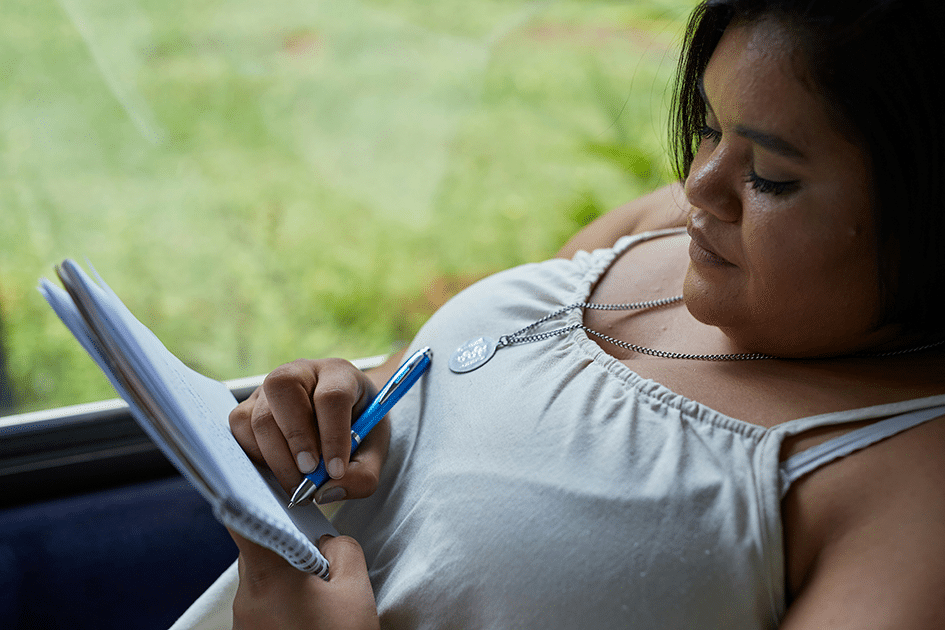
Image credit: Photo by Sweet Life on Unsplash
Your Cycle Is Giving You Information
Many women are taught to think of their period as an inconvenience.
But your cycle can also give you useful information about your body.
When you begin to notice patterns, you may realize that certain symptoms are not random. Your energy may dip around the same time each month. Your cravings may become stronger before your period. Your mood may feel more sensitive during the second half of your cycle.
Instead of seeing this as weakness, you can see it as feedback.
Your body may be asking for more rest, steadier meals, gentler movement, better sleep, or less pressure during certain days.
A Simple Look at the Menstrual Cycle
Every woman’s cycle is different, but many cycles move through four general phases:
- Menstrual phase
- Follicular phase
- Ovulation
- Luteal phase
These phases are influenced by changing levels of hormones such as estrogen and progesterone.
Expert Insight
According to Cleveland Clinic, the rise and fall of hormones help trigger the different phases of the menstrual cycle. Estrogen rises during the follicular phase, ovulation is triggered by a rise in luteinizing hormone, and progesterone rises during the luteal phase.
This is why you may not feel exactly the same every day of the month.
Your body is not working from one steady hormonal setting. It is moving through a rhythm.
Menstrual Phase: When Your Body May Ask You to Slow Down
The menstrual phase begins on the first day of bleeding.
For some women, this phase feels like relief. PMS symptoms may begin to ease. The emotional pressure of the days before your period may start to lift.
For others, this phase can bring cramps, fatigue, headaches, digestive changes, or a strong desire to rest.
During your period, it may help to think less about pushing through and more about working with your body.
That does not mean you have to cancel everything or stay in bed. It simply means this may be a time to be more realistic with your energy.
Supportive habits may include warm meals, hydration, gentle movement, earlier bedtime, and not expecting yourself to perform at full speed if your body clearly needs something softer.
Follicular Phase: When Energy May Begin to Return
The follicular phase begins with your period and continues until ovulation.
As your period ends, many women notice that energy slowly improves. Motivation may return. Focus may feel easier. You may feel more open to starting projects, planning, exercising, or socializing.
This is often the time when healthy routines feel easier to restart.
If you have been trying to build new habits, the follicular phase may be a good time to begin. You may feel more mentally flexible and more willing to try something new.
This can be a helpful time to:
- Plan meals
- Start a new workout rhythm
- Organize your week
- Try a new wellness habit
- Focus on creative work
If your energy is low even during this part of your cycle, it may be worth looking at sleep, stress, blood sugar, iron levels, thyroid health, or other possible causes.
Ovulation: When You May Feel More Energized or Social
Ovulation usually happens around the middle of the cycle, although the exact timing varies.
Some women feel their best around ovulation. Energy may feel higher. Mood may feel brighter. Confidence may increase. You may feel more social, more motivated, or more physically strong.
Other women notice ovulation discomfort, bloating, breast tenderness, or a small mood shift.
Both experiences can be normal.
This is why tracking your cycle can be helpful. You are not trying to force your body into someone else’s pattern. You are learning your own.
Around ovulation, some women also notice fewer cravings or a more stable appetite. This does not happen for everyone, but it can be useful to observe.
Luteal Phase: When Cravings, Mood, and Fatigue May Increase
The luteal phase begins after ovulation and lasts until your next period starts.
This is the phase where many women notice the biggest changes.
You may feel:
- More tired
- More sensitive
- Hungrier than usual
- More interested in sweet or salty foods
- Less motivated to exercise intensely
- More prone to bloating
- More easily irritated
- Less patient with stress
This does not mean you are failing.
Your body may simply be in a phase where it needs steadier support.
The Office on Women’s Health explains that PMS symptoms often happen after ovulation and before the period starts. These symptoms can include fatigue, sleep problems, appetite changes, food cravings, anxiety, irritability, mood swings, and trouble concentrating.
If this sounds familiar, you may also want to read our article on why you feel so tired before your period and what may help naturally.
Why Cravings Can Feel Stronger Before Your Period
Cravings are not always just about discipline.
They can be connected to changes in hormones, sleep, stress, appetite, and blood sugar.
During the luteal phase, some women feel hungrier or notice stronger cravings, especially for sweet or high-carbohydrate foods. If you are also sleeping poorly, skipping meals, drinking more caffeine, or dealing with stress, cravings may feel even stronger.
This is where many women become hard on themselves.
But cravings are often a signal, not a character flaw.
Your body may need more consistent meals, more protein, more fiber, more magnesium-rich foods, or simply more rest.
Research Highlight
A review published in Nutrition Reviews found that energy intake appears to be lower in the early follicular phase compared with the mid-luteal phase, with an additional decrease around ovulation. The researchers also noted that the size of these changes likely varies from person to person and from cycle to cycle.
In simple terms, appetite can shift across the cycle. You are not imagining it.
If cravings often feel intense, our guide on why you may always feel hungry explains other hormone-related reasons appetite can feel difficult to manage.
Mood Changes Are Worth Noticing, Not Ignoring
Mood shifts before your period are common, but that does not mean they should be dismissed.
There is a difference between feeling a little more emotional and feeling like you cannot function.
Mild irritability, sensitivity, sadness, or anxiety before your period may be part of PMS for many women. But if mood symptoms are severe, interfere with your relationships, affect work, or make you feel hopeless, it is important to speak with a healthcare professional.
You deserve support.
Tracking mood changes can help you understand whether they happen predictably in the same part of your cycle. This information can be useful if you talk to a doctor, therapist, or gynecologist.
It can also help you plan your month with more kindness.
Maybe the week before your period is not the best time to overload your schedule, start a strict diet, or say yes to every request. Maybe it is a time to protect your energy a little more.
Food Can Support a Steadier Cycle Experience
You do not need a perfect “cycle syncing” diet to support your hormones.
For most women, the basics matter most:
- Eat enough
- Include protein
- Add fiber
- Choose healthy fats
- Stay hydrated
- Avoid skipping meals if it makes you feel worse
- Reduce extreme sugar-and-caffeine swings
During the luteal phase, balanced meals can be especially helpful.
Try combining protein, fiber-rich carbohydrates, and healthy fats. This may help support steadier energy and reduce the intensity of cravings.
Examples include:
- Greek yogurt with berries and seeds
- Eggs with avocado and whole-grain toast
- Salmon with sweet potato and vegetables
- Lentil soup with olive oil and greens
- Oatmeal with nuts, chia seeds, and fruit
For more everyday meal ideas, explore our guide to foods that help balance hormones.
If blood sugar swings seem connected to your mood or cravings, read our guide on how blood sugar affects hormones in women.
How to Track Your Cycle Without Obsessing
Cycle tracking does not have to be complicated.
You do not need to record every symptom forever.
Start with a few simple notes:
- First day of your period
- Energy level
- Mood
- Cravings
- Sleep quality
- Appetite
- Bloating
- Headaches or cramps
After two or three cycles, patterns may become easier to see.
You might notice that you feel most focused after your period. You might see that cravings begin about a week before bleeding. You might realize that poor sleep makes PMS symptoms worse.
This kind of awareness can reduce frustration.
Instead of thinking, “What is wrong with me?” you can think, “This pattern has happened before. What support do I need this week?”
When to Get Medical Support
Some cycle changes are common.
But certain symptoms deserve medical attention.
Talk with a healthcare professional if you experience:
- Very heavy bleeding
- Periods that last longer than seven days
- Severe pain
- Bleeding between periods
- Missed periods for several months
- Sudden major cycle changes
- Extreme fatigue
- Severe mood symptoms
- Symptoms that interfere with daily life
A regular cycle should not make you feel like you are barely surviving every month.
If your symptoms are intense, persistent, or worsening, it is worth asking for help.
Final Thoughts
Your menstrual cycle can tell you a lot about your body.
It may help explain why your energy rises and falls, why your mood feels more sensitive at certain times, and why cravings can become stronger before your period.
This does not mean every feeling is hormonal. It simply means your cycle may be one important part of the bigger picture.
When you understand your patterns, you can support yourself differently.
You can plan more demanding tasks when energy is naturally higher. You can prepare balanced meals before cravings become intense. You can protect your sleep before your period. You can give yourself more grace during the days when your body feels heavier, slower, or more emotional.
Hormone balance is not about controlling your body perfectly.
It is about listening more closely, responding more gently, and building daily habits that support hormone balance over time.
If you’re interested in tracking ovulation or learning more about your menstrual cycle, explore our guide to the best basal body thermometers to compare reliable options and understand what features matter most.
What about you?
Have you noticed that your energy, mood, or cravings change during certain parts of your cycle?
Share your experience in the comments below — your story may help another woman feel more connected to her body.