You used to get cramps the morning your period started. Now they wake you the night before, and the ache lingers after the bleeding stops.
Your period still comes on schedule. On the first day, you spend a meeting shifting in your chair, trying to find a position that hurts less.
If period pain in your 40s is new, stronger, or lasting longer than it used to, make an appointment with your primary care clinician or gynecologist. A change that starts to affect your sleep, work, or plans is worth bringing up.
Photo by RDNE Stock project on Pexels
In This Article
What Can Change in Your 40s
Perimenopause is the transition leading up to menopause, when hormone levels fluctuate. The Office on Women’s Health says it usually starts in your mid- to late 40s and lasts about four years on average. It can start earlier, and the length varies.
Your periods may come closer together, farther apart, or skip a month. They can also be lighter or heavier. Menopause is confirmed after 12 consecutive months without a period. If your cramps are new or getting worse, bring it up with your clinician even if your periods still come on schedule.
Mayo Clinic lists fibroids, adenomyosis, and endometriosis among the possible causes of painful periods. Fibroids are noncancerous growths in or around the uterus. Tissue like the uterine lining grows within the uterine muscle in adenomyosis and outside the uterus in endometriosis.
In Marianne’s account for FEMISA, her periods started getting heavier around age 43 and became more painful. She began turning down evening plans during her period. A hospital evaluation found adenomyosis.
When to Book a Visit
The NHS period pain guide recommends getting checked if your periods become more painful or start interfering with everyday activities. Tell your clinician if you’ve noticed any of these changes.
- Cramps are getting stronger, starting earlier, or continuing after the bleeding stops.
- Pelvic pain also happens between periods, during sex, or when you pee or have a bowel movement.
- You have a heavier flow, your period lasts longer, or you spot between periods.
If you’re changing pads more often or getting up at night to change them, mention that when you book. Our guide to heavier periods in your 40s explains what to look for.
When to Get Help Right Away
Get emergency care now for severe pelvic pain, pain that’s rapidly worsening, or pelvic pain with heavy vaginal bleeding, faintness, pain at the tip of your shoulder, or trouble breathing.
Seek same-day care for pelvic pain with a fever. If you could be pregnant and have pelvic pain or unusual bleeding, seek care the same day, even without a positive pregnancy test.
What May Help at Home
Try these steps for familiar, manageable cramps. If your pain is new, stronger, or lasting longer than usual, book a visit even if a home measure eases it.
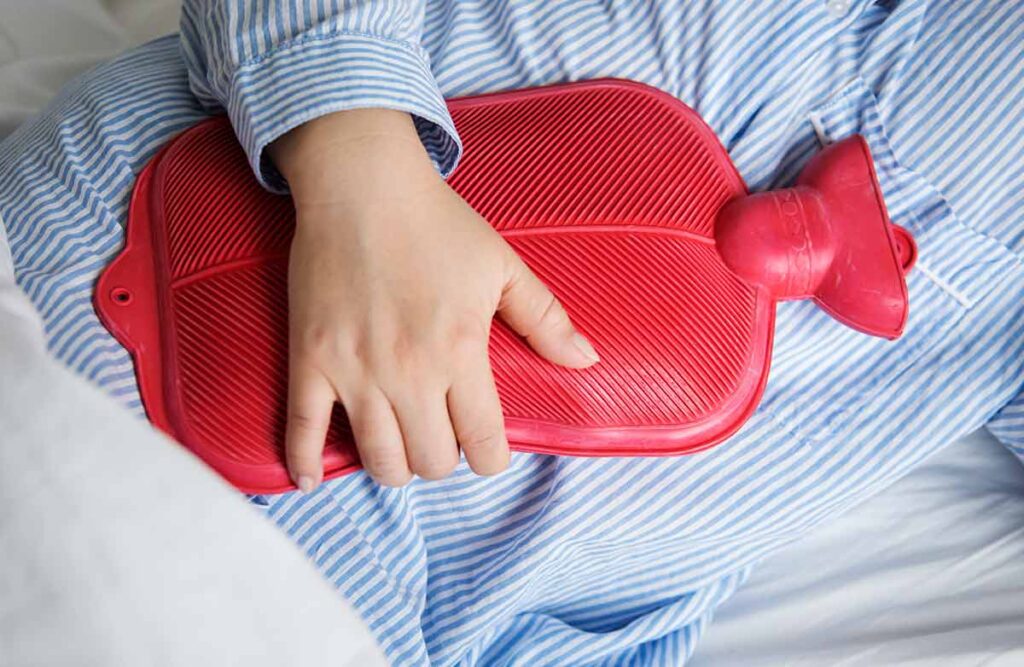
- Heat. Try a warm bath or a heating pad on your lower belly. Follow the pad’s directions and take it off before you fall asleep.
- Gentle movement. Take a short walk if it feels comfortable. Regular exercise may ease period cramps. How much it helps in your 40s is still unclear.
- Stress. If you feel tense, try a few minutes of slow, gentle breathing while seated or lying down.
- Food. Beans and lentils are sources of iron. If your periods are heavier and you feel unusually tired, ask your clinician about checking for anemia.
Magnesium. Small studies on magnesium have found mixed results for cramps. If you’re considering a supplement, ask your clinician or pharmacist first, especially if you have kidney disease or take medicines that interact with magnesium.
What to Tell Your Clinician
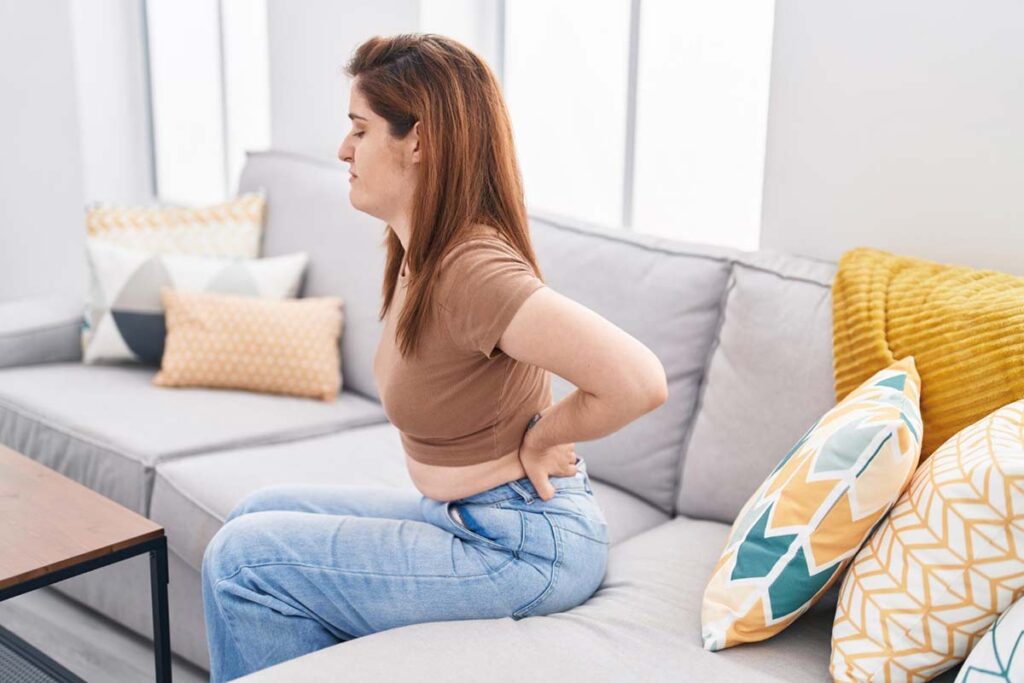
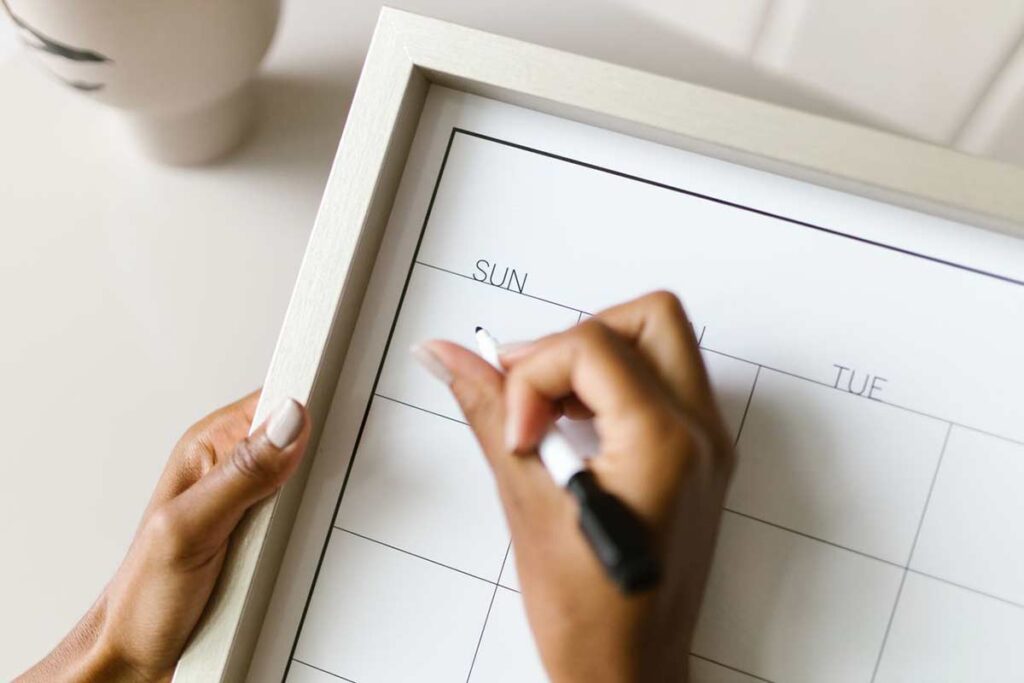
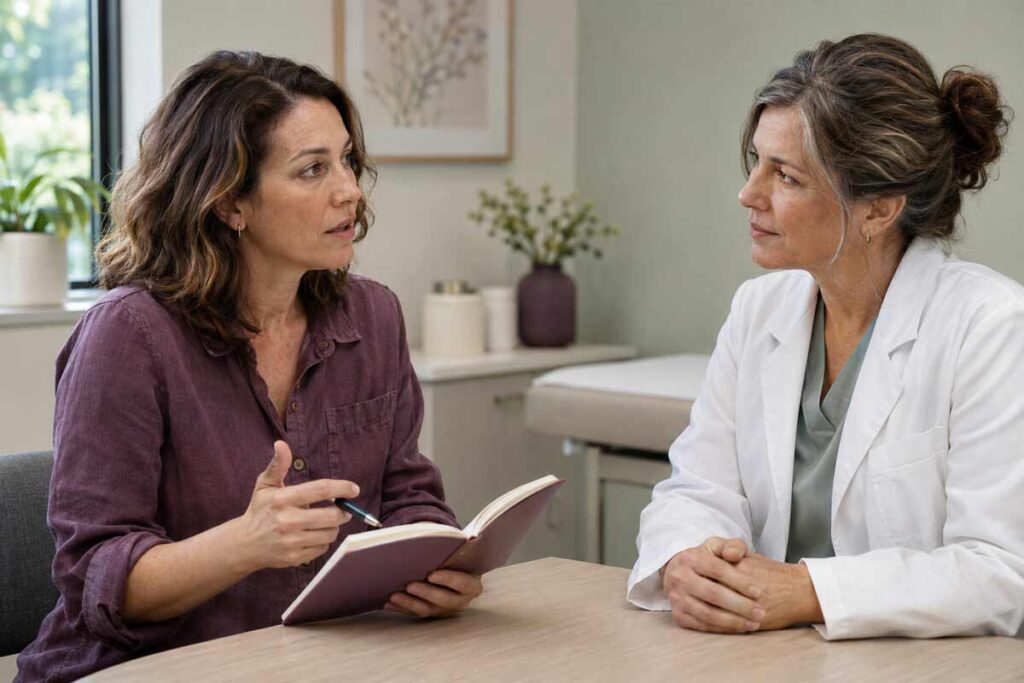
When you prepare for your visit, jot down when the bleeding started, when the pain began and eased, how heavy the flow was, and what you tried for relief. Include where you felt the ache. Our guide to back and thigh cramps explains how period pain can spread.
Bring a list of the medicines you take, including any over-the-counter pain relievers. If you recently changed your birth control or had an IUD placed, note when.
Your clinician may suggest a pelvic exam or ultrasound. If bleeding has changed, a pregnancy test and a blood count can help check for pregnancy and anemia. If you’re 45 or older and have abnormal bleeding, your clinician may recommend taking a sample of the uterine lining.
For familiar, manageable cramps, a warm bath may help you get comfortable. If warmth or your usual pain relief helps, note how long the relief lasts so you can tell your clinician.
Questions to Ask Your Doctor
- Could my changing cramps be related to perimenopause, and what else might explain them?
- Would a pelvic ultrasound help, and should we check for anemia if my periods are heavier?
- What can I safely use for pain relief with the medicines I already take?
- What’s the next step if my ultrasound is normal and the pain continues?
- When should I follow up, and which symptoms mean I should get help sooner?
Try This Today
In a note on your phone, finish the sentence “My cramps used to ___, and now they ___.” Have that note handy when you call.
Frequently Asked Questions
Could I Have Endometriosis With a Normal Ultrasound?
Yes. As a Mayo Clinic Q&A explains, some endometriosis can be hard to see on a scan. Let your clinician know if the pain continues after your ultrasound.
What if I Spot After a Year Without a Period?
After 12 months in a row without a period, contact your clinician promptly about any vaginal bleeding, even a single episode of spotting. Tell them when you last had a period and whether cramps came with the bleeding.
Final Thoughts
When you call for an appointment, describe what the pain has made you change. “I’ve started moving meetings on the first day of my period” gives your clinician a clearer picture of how it affects your day. Ask which symptoms should prompt you to call again before your visit.
Do you keep notes about your cycle?
Which detail has been most useful to write down?
Share your tracking tip in the comments.