By your third trip to the sink, the skin across your knuckles feels tight again. You reach for a cream, then remember how slippery your phone felt the last time you used it.
A thicker layer may feel fine after dinner, when the dishes are done and you can leave your hands alone for a while.
These five hand creams for dry hands cover both moments. For daytime, think about what you’ll touch right after applying cream. At bedtime, think about how much residue you’re comfortable leaving on your skin. The right fit can be a tube by the sink, a small one in your bag, or a richer cream on the nightstand.
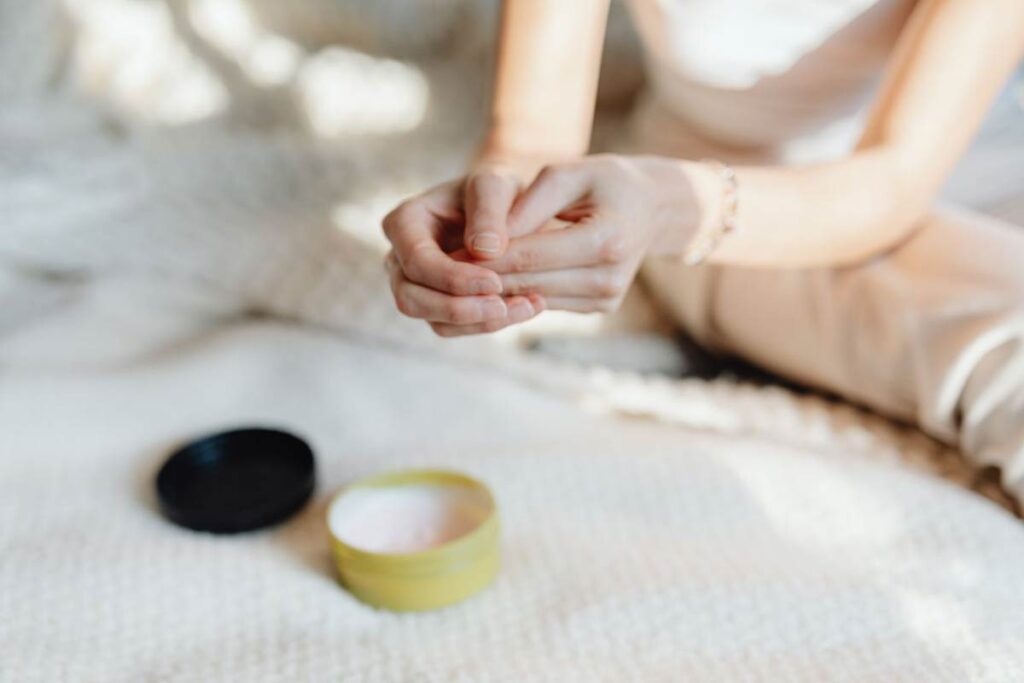
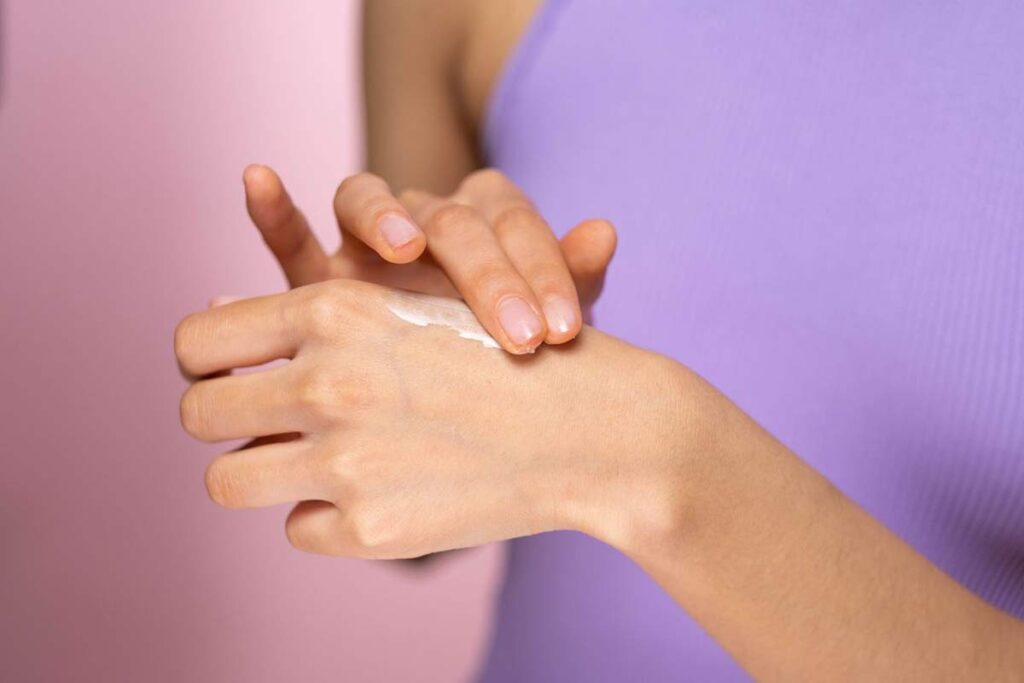
Photo by Ron Lach on Pexels
In This Article
Affiliate Disclosure
As an Amazon Associate, I earn from qualifying purchases. This article contains affiliate links, which may earn BloomHerLife a commission at no extra cost to you. Thank you for supporting BloomHerLife.
Compare the Five Hand Creams at a Glance
I compared the U.S. product listings and manufacturer descriptions for texture, fragrance, ingredients, and package size. If your hands already feel comfortable between washes with a light moisturizer, start with our comparison of hand cream and lotion.
| Hand cream | Where it fits | Pack size |
|---|---|---|
| Gold Bond Healing | Day, beside a busy sink | 3 oz tube |
| Eucerin Advanced Repair | Day, for rough, intact skin | Three 2.7 oz tubes |
| La Roche-Posay Cicaplast | Day, in a bag or desk drawer | 50 mL tube |
| Neutrogena Norwegian Formula | Night, for a small dab without fragrance | 2 oz tube |
| Burt’s Bees Almond & Milk | Night, for a richer, scented cream | 2 oz jar |
Daytime Hand Creams
Gold Bond Healing Hand Cream with Aloe
Best fit for frequent handwashing. The formula contains glycerin, dimethicone, and aloe. Gold Bond describes it as fast-absorbing and designed to keep skin moisturized through handwashing. The 3 oz tube is a practical choice for the sink you use most often.
Gold Bond lists added fragrance. If scented creams have irritated your skin before, the fragrance-free Cicaplast is another daytime option.
View the Gold Bond 3 oz tube on Amazon
Eucerin Advanced Repair Hand Cream
Best fit for rough, intact skin. Eucerin describes this fragrance-free cream with 5% urea and a ceramide as fast-absorbing. The three-pack makes sense if you tend to remember your cream when you’re in another room or away from home. You can keep a tube in each place you’ll use it.
Keep urea products off open splits or bleeding skin, as DermNet explains in its urea guidance.
View the Eucerin three-pack on Amazon
La Roche-Posay Cicaplast Hand Cream
Best fit for a bag or desk drawer. This fragrance-free 50 mL tube contains shea butter, glycerin, and niacinamide. La Roche-Posay describes the finish as quick-absorbing and non-greasy. It fits the gap between washing your hands at work and getting back to your keyboard.
View the Cicaplast 50 mL tube on Amazon
Hand Creams for Bedtime
Neutrogena Norwegian Formula Hand Cream
Best fit for a concentrated, fragrance-free cream. This is the 2 oz fragrance-free version of Neutrogena’s glycerin-rich Norwegian Formula. A small dab is a sensible starting point. Work it over your dry knuckles or the skin around your nails, then add a little more where you want it.
View the fragrance-free Neutrogena tube on Amazon
Burt’s Bees Almond & Milk Hand Cream
Best fit for a richer cream in a jar. Sweet almond oil and beeswax are among the ingredients in this 2 oz cream. Scoop out a small amount for the backs of your hands when you have time to leave a richer layer on.
The ingredient list includes fragrance and milk. If you prefer a fragrance-free cream before bed, the Neutrogena tube is the simpler match for that preference.
View the Burt’s Bees 2 oz jar on Amazon
How to Use Hand Cream After Washing and at Bedtime
After washing, pat your hands dry and apply cream while the skin is still slightly damp. Work a little around the nails and fingertips. This follows the American Academy of Dermatology’s handwashing guidance.
At night, start where your hands feel roughest. If cream on your palms bothers you, use most of it on the backs of your hands and fingers. You can use the same cream at both times if the texture suits you.
If tightness follows dishwashing or cleaning, gloves for wet chores may help limit repeated contact with water and detergent. For the combination of wet chores and cold air, see our guide to dry hands in winter.
Try This Today
Try a small dab of a cream you already tolerate before a familiar task, such as unlocking your phone. If the residue bothers you, see how the same cream feels before bed.
When Cracks Need Medical Attention
A 64-year-old patient developed sore, inflamed patches on the backs of both hands after repeatedly washing with dish soap. Clinicians identified irritant contact dermatitis in this published case report. If your own symptoms flare after the same task or product, that detail is worth bringing to a medical visit.
Make an appointment if cracks repeatedly reopen or bleed, or if a painful or itchy rash keeps coming back. A clinician can help identify the cause of persistent hand irritation.
Seek prompt medical care if the skin starts draining, the pain increases, or your symptoms worsen quickly, especially if you feel feverish or unwell. These can be signs of infection.
Frequently Asked Questions
What does “unscented” mean on a hand cream?
A cream labeled unscented can still contain ingredients that mask other odors. If added fragrance bothers your hands, look for a fragrance-free label and check the ingredient list. The FDA explains how fragrances are labeled.
Can I use an ointment on just my knuckles?
A little plain petrolatum can help hold moisture on an extra-dry patch of intact skin. Ointments leave more residue than creams, so a small area may be easier to cover at bedtime. DermNet explains the role of ointments for dry skin.
How soon can I use hand cream after sanitizer?
Let the sanitizer dry completely, then apply your hand cream. That is the sequence Cleveland Clinic recommends in its advice on handwashing and dry hands.
Final Thoughts
Start with the cream you can picture using on a busy day. Notice how your hands feel before your next wash or first thing in the morning. Those are good moments to judge whether the cream and the habit fit your routine.
When do your hands feel driest?
Tell us what you keep by the sink or the bed.
Share what makes you reach for it again.