You turn a page in bed and feel the paper catch against a rough fingertip. After the dishes, a shower, and one last handwash, your knuckles feel tight again, even though you used cream earlier.
An overnight hand care routine gives moisturizer a longer stretch on your skin before the next wash. Start with a product you tolerate, pay attention to the driest areas, and add gloves only if they feel comfortable.
The aim is a repeatable habit that fits the end of your day.
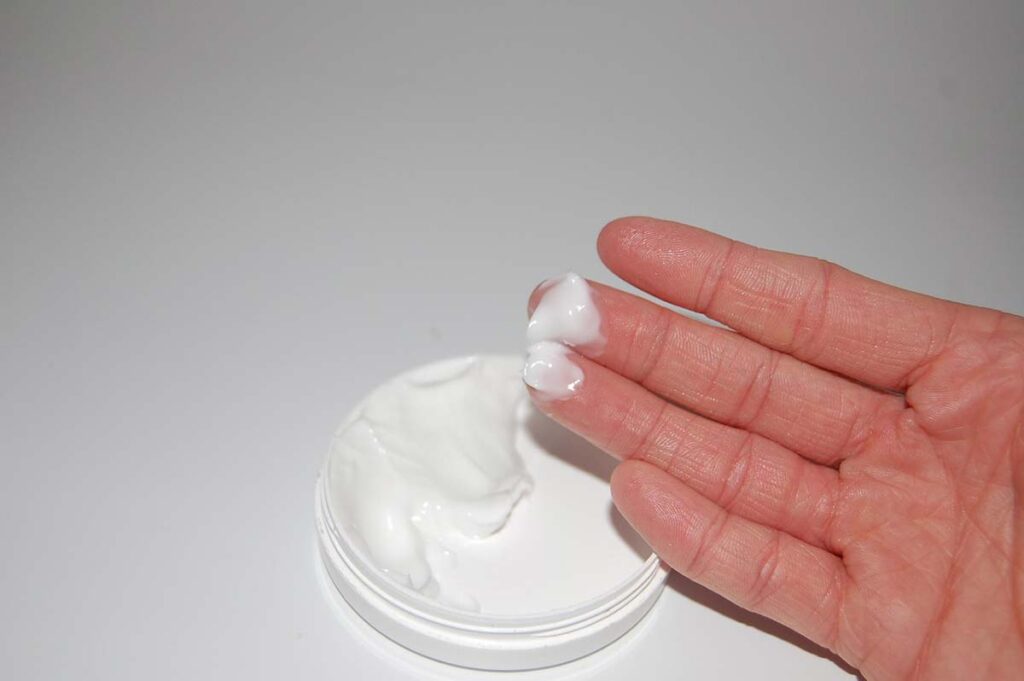
Photo by Mizianitka on Pixabay
In This Article
Why Bedtime Is a Useful Window
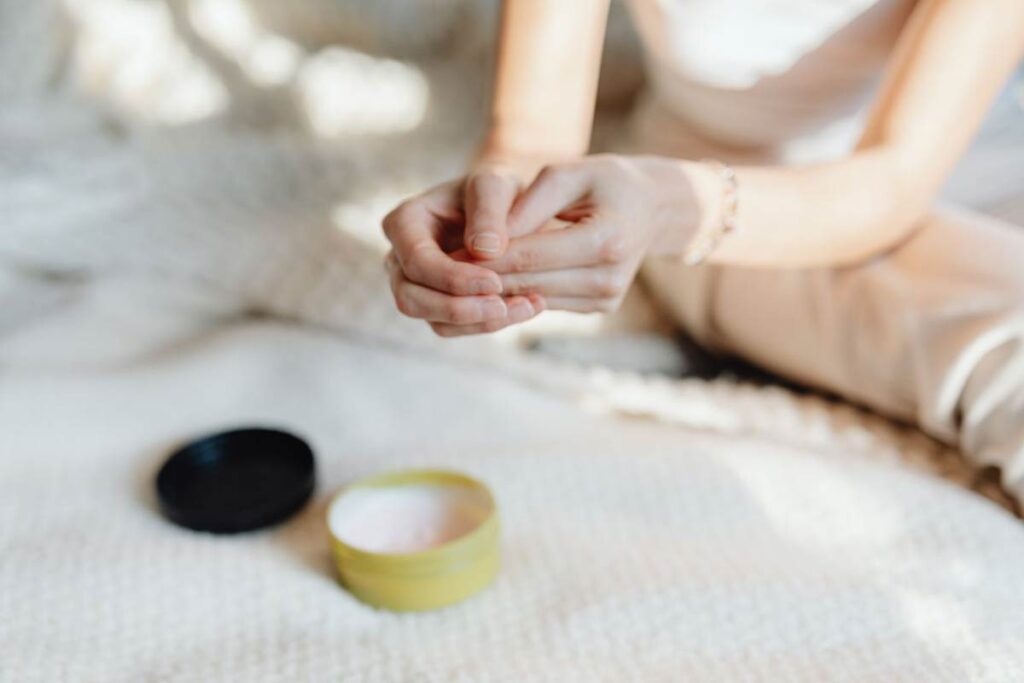
During the day, cream competes with dishwater, cooking, and the next trip to the sink. Bedtime gives moisturizer time to stay put. A heavier texture is also easier to manage once you have put your phone down.
The British Association of Dermatologists explains that water and detergents can strip protective oils from the skin. Rough skin does not automatically need exfoliation. Skip abrasive scrubs on sore or cracked areas.
If cold weather adds to the pattern, our guide to dry hands in winter explores the daytime triggers.
Build Your Overnight Hand Care Routine
1. Finish the wet jobs first
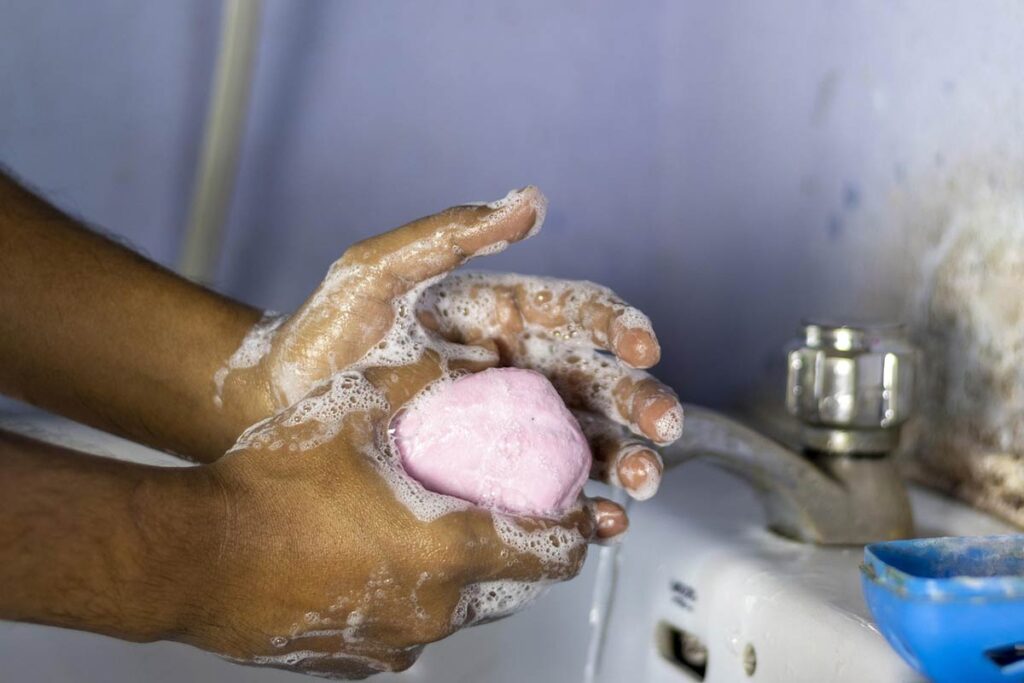
Finish washing dishes or showering before you settle down. Use lukewarm water for your last necessary handwash, rinse thoroughly, and pat gently, leaving skin slightly damp.
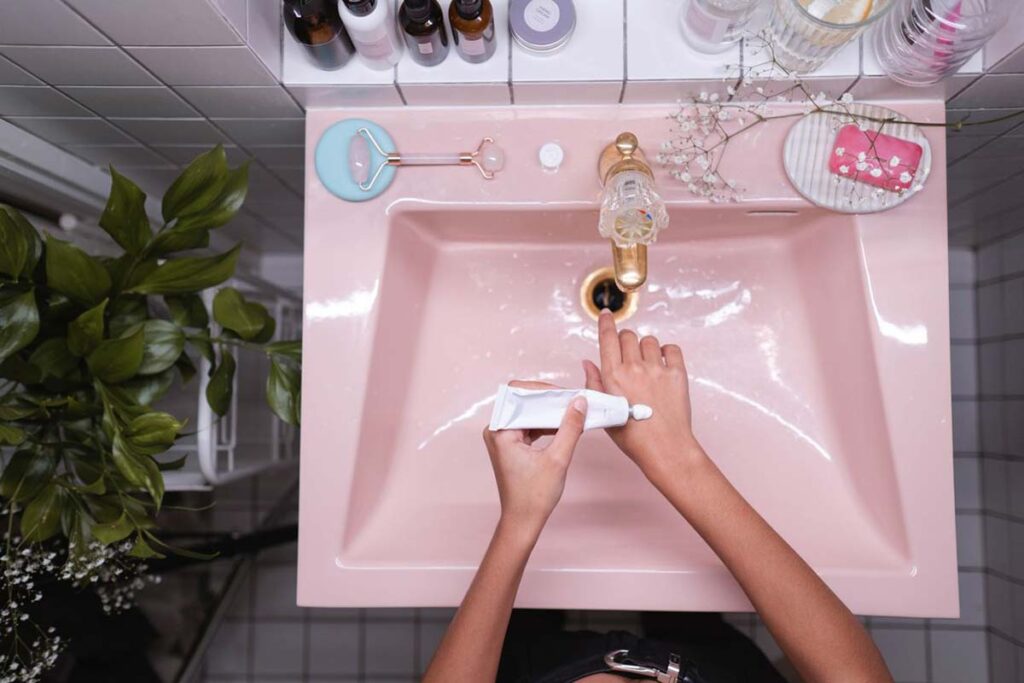
The American Academy of Dermatology recommends applying cream or ointment to damp hands, including around the fingertips and nails. Make moisturizing part of that final wash.
2. Apply one rich moisturizer
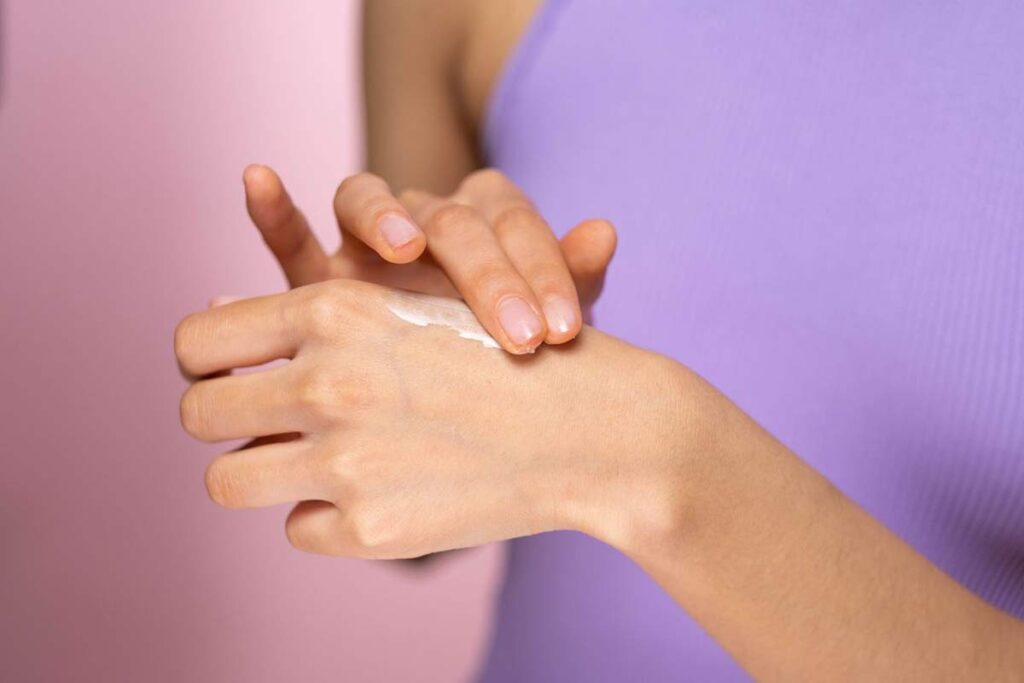
Choose a fragrance-free cream or plain petroleum jelly you already tolerate. Smooth it over your knuckles, fingertips, and the backs of your hands. One product is enough to begin.
In a Mayo Clinic reader Q&A about dry, cracked, painful thumb tips, Mayo Clinic staff suggest a heavier cream or petroleum jelly during sleep. Their answer also emphasizes addressing the cause of the dryness.
For help choosing a comfortable texture, our hand cream vs hand lotion guide compares the options.
3. Make gloves optional
Clean, loose cotton gloves can help keep moisturizer off the bedding. They are optional; remove them if your hands feel hot, sweaty, or itchier. Check your clinician’s instructions before wearing gloves over prescription hand treatments. In the morning, continue moisturizing after washing. Our guide to gentler handwashing covers the daytime side of caring for sore knuckles.
Try This Today
Place your usual moisturizer beside your book or phone charger tonight. Choose a spot that reminds you to apply it after your final wet task.
When Rough Hands Need More Than Moisturizer
Arrange a dermatology assessment for recurring itch, blisters, deep cracks, or painful hands that stay uncomfortable despite regular moisturizing. The AAD’s hand eczema guide explains why some hand rashes need treatment beyond moisturizer.
Seek prompt medical advice for rapidly worsening symptoms, discharge, increasing pain, or feeling feverish or unwell. The NHS identifies these as possible signs of infection.
Frequently Asked Questions
Do I need a separate night hand cream?
No. A fragrance-free cream or ointment your skin already tolerates can be enough. An “overnight” label does not tell you whether a formula will suit your hands.
Can I put petroleum jelly over hand cream?
You can try a thin layer over the driest spots if both products suit your skin. Petroleum jelly helps limit water loss; stop adding layers if they make your hands itchy or uncomfortable.
Final Thoughts
Choose an evening routine you can repeat without turning bedtime into another project. Comfort between washes is a useful sign to watch. Persistent itching or painful cracks deserve a closer look, even if cream briefly softens the skin.
When do your hands feel roughest at the end of the day?
Tell us what you usually apply before bed.
Share what helps your hands feel comfortable in the comments.