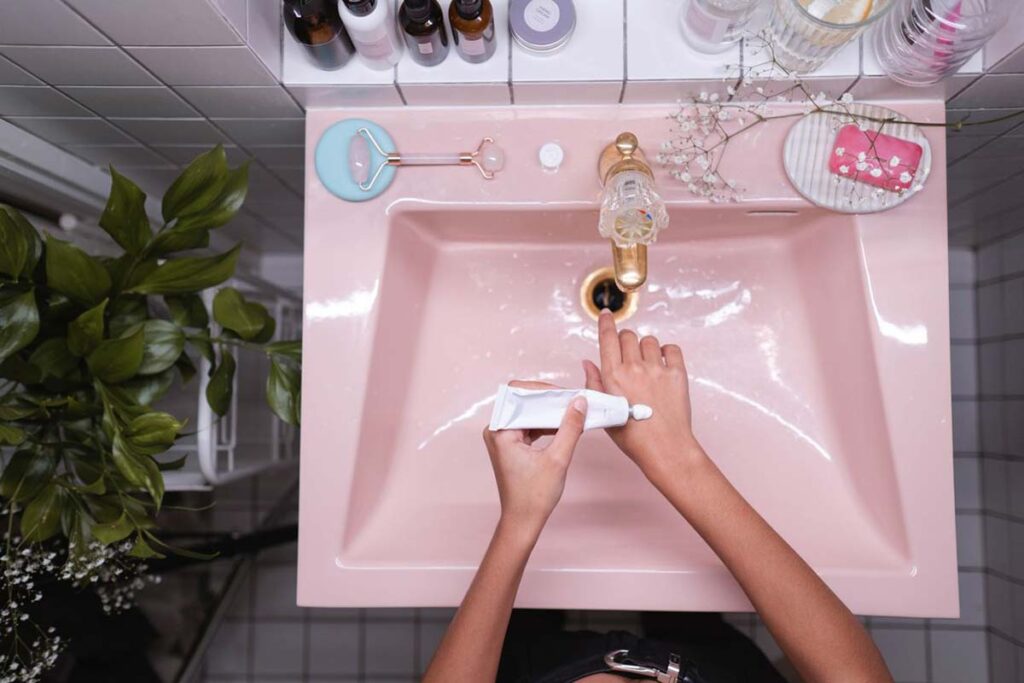
You rub cream into your hands before leaving home, yet by lunchtime your knuckles feel tight again. The next time you wash them, the skin around your fingers stings, and a sleeve catches on a rough patch.
Dry hands in winter can be frustrating when the same cream kept you comfortable a few months ago.
Cold air, indoor heating, and repeated washing can change how much protection your skin needs. Understanding that cycle can help you choose a more useful next step.
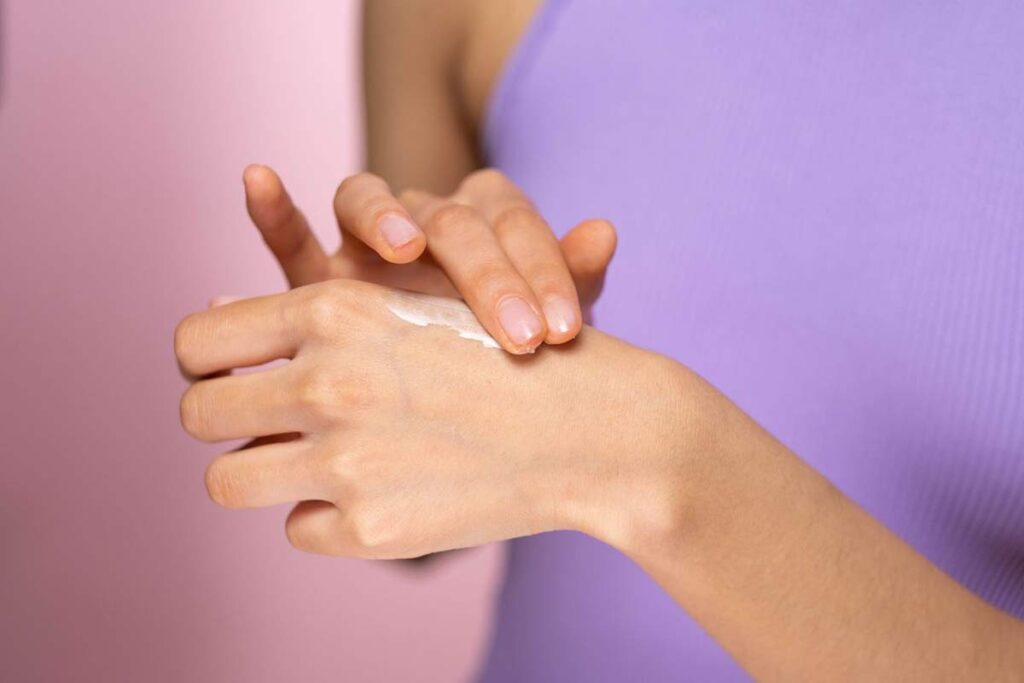
Photo by Ron Lach on Pexels
In This Article
Why Dry Hands in Winter Keep Coming Back
Cold winter air holds less moisture, and indoor heating lowers relative humidity. Your skin can lose water more readily in these conditions.
“Environmental humidity is low during the winter months,” explains Cleveland Clinic dermatologist Jennifer Lucas, MD.
A warm room can still be a drying environment. Hands also meet soap, dishwater, and cleaning products throughout the day, adding to the strain. Our guide to how to protect your skin barrier explains why everyday exposures matter.
Why Your Usual Cream May Fall Short
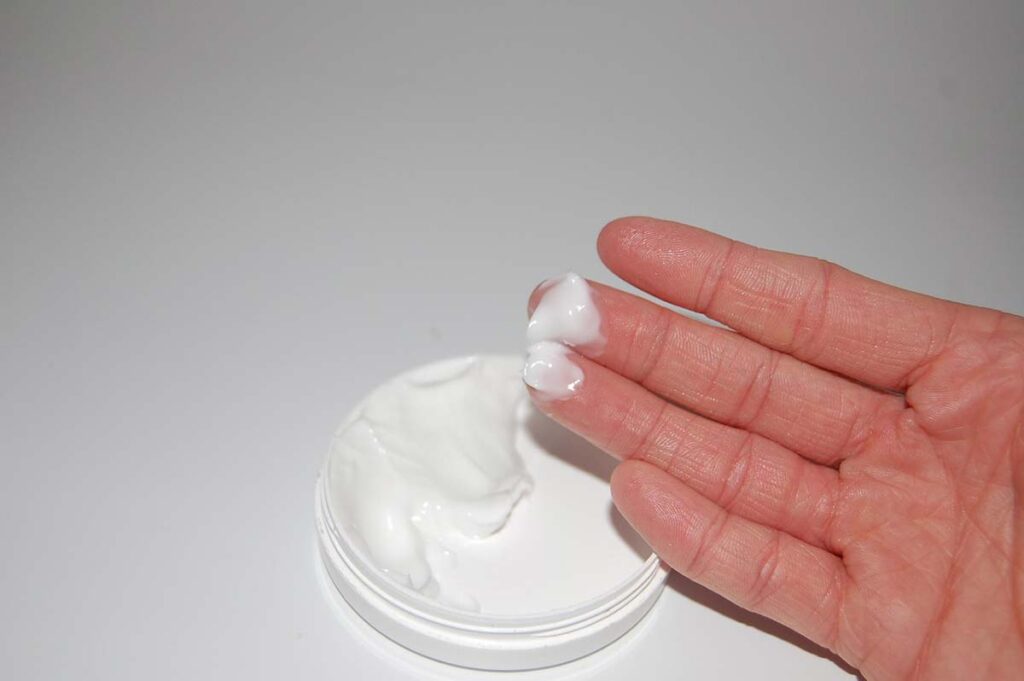
Repeated washing can remove protective oils. A published Mayo Clinic reader Q&A describes someone whose hands became dry and cracked after frequent washing. Dermatologist Dawn Davis, MD, explains that lotions are generally lighter than creams, while ointments slow moisture evaporation.
“Ointments sit on top of the skin,” she says.
That helps explain why a fast-absorbing lotion may soften your hands briefly without providing enough protection for winter. Even a rich cream may fall short when you wash it off and leave your skin bare afterward.
Brief softness does not always mean lasting protection. If your face feels similarly uncomfortable, our guide to skin that feels tight after moisturizing explores other possible causes.
Give Your Cream a Better Chance
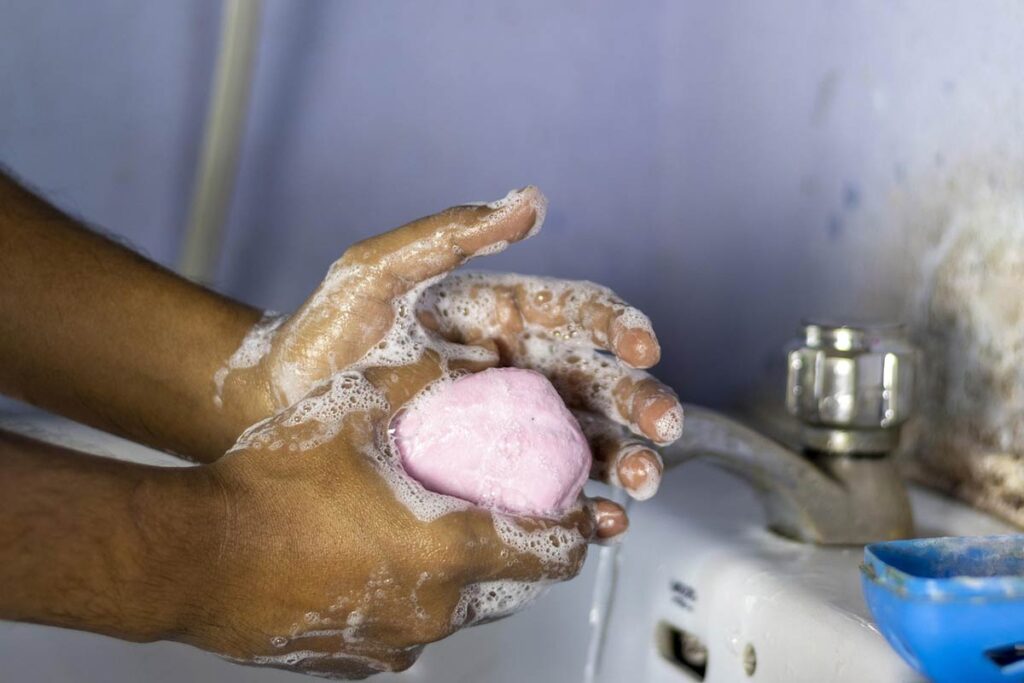
Make moisturizing part of handwashing, rather than a separate task you remember at bedtime. The American Academy of Dermatology recommends cream or ointment for dry skin and moisturizing after washing, while skin is still damp.
Look for fragrance-free, rather than just “unscented”; some unscented formulas still use ingredients that mask odors and may irritate sensitive skin.
- Use lukewarm water and gently pat your hands dry.
- Apply a fragrance-free cream or ointment after each wash.
- Wear gloves outdoors and waterproof gloves for dishes or cleaning.
Keep the cream where your hands get wet. A tube beside the sink makes it easier to reapply before getting on with your day.
If dryness affects more than your hands, our guide to signs of dehydrated skin offers a broader look at moisture loss and gentle care.
Try This Today
Put waterproof gloves beside your dishwashing supplies and outdoor gloves in your coat pockets today. Use those two locations as reminders to put them on before wet chores or cold outings.
When Moisturizer Is Only Part of the Answer
Arrange a dermatology assessment if your hands stay very dry and painful despite regular moisturizing, or you develop deep cracks, recurrent bleeding, or itchy blisters. Hand eczema can look like ordinary dryness, but may need treatment beyond moisturizer.
Seek prompt medical care for rapidly worsening symptoms, discharge, increasing pain, or feeling feverish or unwell; these can indicate infection.
Frequently Asked Questions
Should I stop using hand sanitizer if my hands are dry?
Keep cleaning your hands when needed. When soap and water are unavailable, use a sanitizer with at least 60% alcohol. Let it dry fully before applying cream or ointment.
Can a humidifier help with dry hands?
It may help by adding moisture to dry indoor air, but your hands still need protection from washing and irritants. Clean the humidifier and change its water and filters according to the manufacturer’s instructions.
Final Thoughts
When your familiar cream stops keeping your hands comfortable, check what happens between applications. A richer formula, timely reapplication, and protection during wet chores may help. Winter hand care continues after the cream goes on.
Which winter habit has made the biggest difference for you?
Share your experience in the comments below.