

Getting enough fiber sounds simple until real life gets involved. Busy mornings, low-fiber convenience foods, changing digestion, travel, medications, or simply not eating enough legumes and vegetables can leave a noticeable gap.
A fiber supplement can help fill part of that gap, especially when constipation or irregularity becomes frustrating. It should complement a fiber-rich diet, not replace one.
For this guide, we compared fiber type, amount per serving, format, price, Amazon customer ratings, recent purchase activity, and how practical each option is for everyday use. Prices and Amazon metrics below were checked on September 1, 2026 and may change.
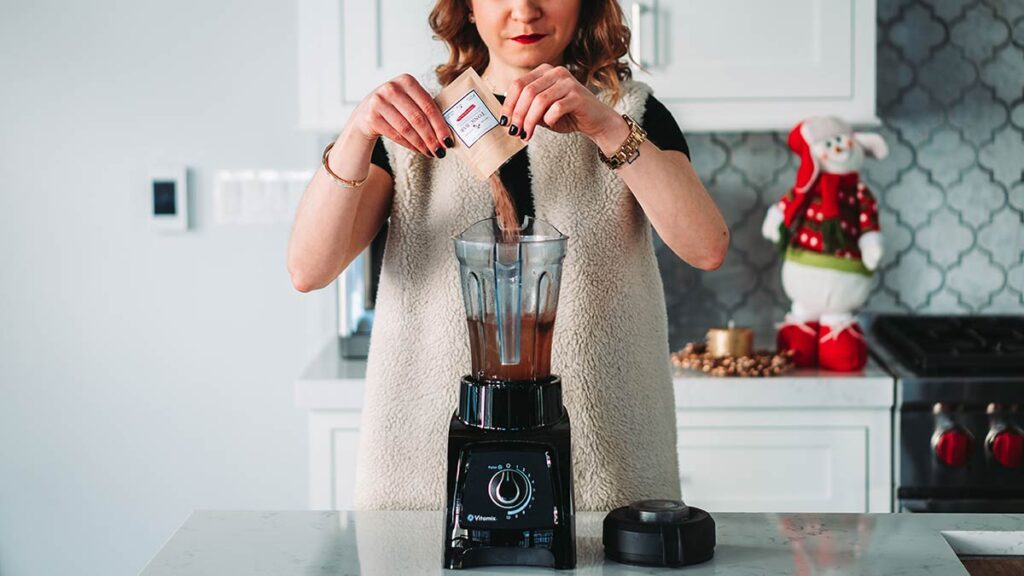
Photo by Chait Goli on Pexels
Affiliate Disclosure
As an Amazon Associate, I earn from qualifying purchases. This article contains affiliate links, which may earn BloomHerLife a commission at no extra cost to you. Thank you for supporting BloomHerLife.
Our Top Fiber Supplements for Women
| Product | Best For | Format | Price When Checked |
|---|---|---|---|
| Metamucil 4-in-1 Psyllium Husk | Best Overall | Powder | $17.97 |
| duwhot Psyllium Husk Gummies | Best Multi-Fiber Gummies | Gummies | $19.99 |
| Fermetra 10-in-1 Prebiotic Fiber Gummies | Best High-Fiber Gummies | Gummies | $21.44 |
| ZEBORA Soluble Fiber | Best Budget Fiber Powder | Powder | $17.99 |
| Migcopat Psyllium Husk Fiber | Best Fiber Capsules | Capsules | $9.99 |
Do You Really Need a Fiber Supplement?
Not necessarily. Whole foods give you fiber along with vitamins, minerals, plant compounds, and other nutrients that a scoop of powder cannot fully reproduce.
If you want to increase your intake through food first, these foods that improve gut health naturally are a useful place to begin.
The FDA Daily Value for dietary fiber is 28 grams per day based on a 2,000-calorie diet, although individual needs vary.
Fiber supplements become useful when there is a consistent gap between what you eat and what you need, or when a healthcare professional recommends a particular fiber for digestive symptoms.
A Real-Life Question Many Women Can Relate To
A 53-year-old woman wrote to Mayo Clinic because she experienced constipation almost every week despite eating bran flakes daily. She wanted to know whether taking a fiber supplement regularly was safe.
If this sounds familiar, understanding the common causes of constipation in women can help you decide whether fiber is really the missing piece.
The response from Mayo Clinic gastroenterologist Yan Bi, MD, emphasized a food-first approach, but also explained that supplements can be considered when diet alone does not provide enough fiber. The advice also stressed starting slowly because adding too much fiber too quickly may trigger bloating, cramps, and gas.
That is the important part. More is not automatically better.
1. Metamucil 4-in-1 Psyllium Husk Fiber Supplement
Best Overall
Why we chose it: Metamucil combines a straightforward psyllium-based formula with the strongest customer history of any product in this guide.
When reviewed, the Sugar-Free Orange powder had 4.7 stars from more than 9,100 ratings and Amazon showed 30,000+ purchases in the previous month. That gives it substantially more real-world customer history than the newer products on our list.
Psyllium absorbs liquid and forms a gel-like bulk in the digestive tract. For women who want a familiar powder rather than gummies or a complicated blend, this is the easiest place to start comparing options.
What we like
- psyllium husk is the central fiber source
- sugar-free formula
- 72 servings
- strong customer rating history
- widely used powder format
Keep in mind: It is flavored, so women who dislike orange drinks or prefer completely unflavored fiber may prefer ZEBORA.
2. duwhot Psyllium Husk Gummies
Best Multi-Fiber Gummies
Powders are not for everyone. If remembering to mix a drink every day is the reason your fiber supplement keeps sitting untouched, gummies may simply fit your routine better.
duwhot combines 2,000 mg of psyllium husk per serving with acacia fiber, inulin and FOS. The formula also contains digestive enzymes.
When checked, it had 4.8 stars, 31 ratings and 600+ purchases in the previous month. The rating count is still relatively small, but recent purchase activity is encouraging.
What we like
- combines several fiber sources
- sugar-free and vegan
- easy-to-take format
- strong recent purchase activity for a newer listing
Keep in mind: Anyone sensitive to fermentable fibers such as inulin or FOS may want to begin cautiously.
3. Fermetra 10-in-1 Prebiotic Fiber Gummies
Best High-Fiber Gummies
The number that makes Fermetra stand out is 9 grams of fiber per three-gummy serving. That is unusually substantial for a gummy format and makes it interesting for women who want more than a token amount of fiber from a chewable supplement.
The product had 4.4 stars from 45 ratings and 200+ purchases in the previous month when reviewed. It also uses prebiotic fiber and contains no added sugar.
What we like
- 9 g of fiber per serving
- convenient chewable format
- prebiotic fiber
- no added sugar
Keep in mind: Three gummies make one serving, so a 60-count bottle provides fewer daily servings than the bottle size might initially suggest.
4. ZEBORA Soluble Fiber Supplement Powder
Best Budget Fiber Powder
ZEBORA is the practical value pick.
At $17.99 for 70 servings when checked, it provided 5 grams of fiber per serving from a blend that includes acacia fiber, oat fiber, corn fiber, and citrus pectin.
It was also one of the better-established Creator Connections products we reviewed, with 4.4 stars from 162 ratings and 200+ recent monthly purchases.
The powder is unflavored, which makes it easier to add to water, coffee, or a smoothie without committing to another sweet drink.
What we like
- 5 g fiber per serving
- 70 servings
- multiple fiber sources
- unflavored
- strong value for the price
Keep in mind: A multi-fiber blend may feel different from psyllium, particularly if your gut is sensitive to fermentable fibers.
5. Migcopat Psyllium Husk Fiber Supplement 3000 mg
Best Fiber Capsules
Some women simply do not want another powder, flavored drink, or gummy. Migcopat gives them a capsule option.
The formula centers on 3,000 mg of psyllium husk and lists 3 grams of dietary fiber per serving, along with acacia fiber, chia seed, slippery elm, aloe vera, probiotics, prebiotics, and digestive enzymes.
Not sure what those ingredients actually do? Our guide to digestive enzymes for women explains when they may and may not be useful.
At the time of review, the 180-capsule bottle cost $9.99 and carried a 4.6-star rating, although it had only 25 ratings and 50+ recent monthly purchases. For that reason, we see it as a convenient format choice rather than the strongest overall product.
What we like
- capsule format
- low price
- psyllium-based
- 180 capsules
- includes several digestive-support ingredients
Keep in mind: This is the most complex formula on our list. Women who prefer a simple single-purpose fiber supplement may be happier with Metamucil or ZEBORA.
How to Choose the Right Fiber Supplement
Start With the Type of Fiber
Psyllium forms a gel when mixed with liquid and is commonly used to add bulk and support regular bowel movements.
Other soluble and fermentable fibers, including acacia and inulin, can also support digestive function and may feed beneficial gut bacteria. But fermentation can mean more gas for some people.
Cleveland Clinic gastroenterologist Christine Lee, MD, puts it simply: “There is no ‘one-size-fits-all’ solution.” Symptoms, fiber type, format, medications, and individual tolerance all matter.
Powder, Gummies, or Capsules?
There is no prize for choosing the “healthiest-looking” format.
Powders make it easier to deliver several grams of fiber. Gummies may be easier to remember and more pleasant to take. Capsules are convenient for people who dislike both, although reaching a meaningful fiber amount may require multiple capsules.
The best option is often the one you can use consistently without making your stomach miserable.
Increase Fiber Gradually
This matters more than many product labels make it seem.
Jumping from a low-fiber diet to a large supplement dose overnight may cause gas, cramping, or bloating. Start lower if the label allows, then gradually work toward the intended serving while paying attention to how you feel.
If the discomfort is difficult to describe, understanding the difference between gas and bloating may help you track what changes after increasing fiber.
Water Matters More Than You Think
Fiber and fluids work together, particularly with psyllium.
MedlinePlus advises taking psyllium with at least 8 ounces (240 mL) of liquid and notes that psyllium may interact with some medicines. People with difficulty swallowing, intestinal blockage, certain health conditions, or medications that may interact with psyllium should speak with a doctor or pharmacist before using it.
What We Would Choose
For most women who want a straightforward place to begin, Metamucil is our Best Overall pick because of its psyllium-based formula, price, and exceptionally strong customer history.
If convenience matters more, duwhot and Fermetra offer two different gummy approaches. ZEBORA gives you excellent value in an unflavored powder, while Migcopat is the most practical option for women who strongly prefer capsules.
But the label is only half the story. The best fiber supplement is the one that fits your actual diet, symptoms, medications, and tolerance.
Final Thoughts
Fiber supplements can be useful, but they should not turn eating into a numbers game.
Start with fiber-rich foods whenever you can, use supplements to fill a real gap, increase intake gradually, and drink enough fluid. If constipation, diarrhea, bloating, pain, or a sudden change in bowel habits continues despite those changes, it is worth finding out why instead of simply adding more fiber.
Your gut does not need the trendiest product. It needs the right kind of support for you.
Do you get most of your fiber from food, or have you found a supplement that works well for your routine?
Do powders, gummies, or capsules feel easiest on your digestion?
Share your experience in the comments — your routine may help another woman find a gentler way to increase her fiber intake.