You have stopped opening the book you usually read before bed. Simple decisions take longer, and weekends pass without much to look forward to. You tell yourself it is the weather, but the change is affecting more than your energy.
Wondering about winter blues or seasonal depression can feel uncomfortable, especially when you are still getting through the day.
The useful clues are how long the change lasts, what it interrupts, and whether it returns with the seasons. You do not need to name it perfectly before asking for help.
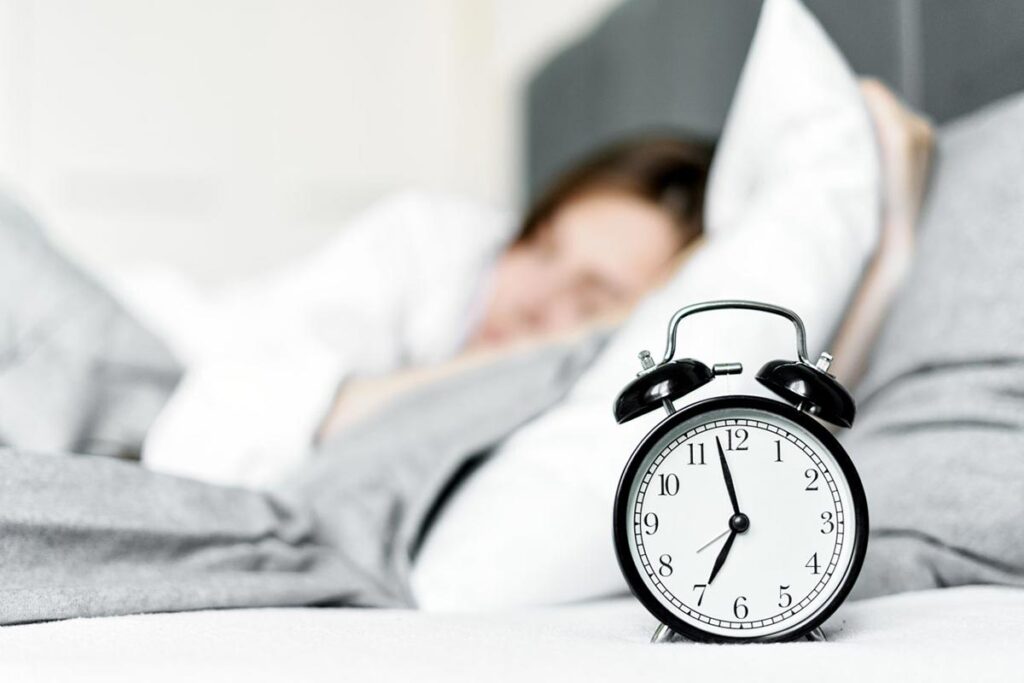
Photo by SHVETS production on Pexels
In This Article
Winter Blues or Seasonal Depression?
Winter blues is an informal term for a milder seasonal mood dip. Seasonal affective disorder (SAD) involves depressive episodes that follow a seasonal pattern.
In a published Mayo Clinic Q&A, psychiatrist William Leasure, MD, answered a reader asking whether depression that comes and goes with the seasons still counts as depression. Describing winter SAD, he explained:
Instead, it involves persistent, pervasive symptoms of depression during wintertime.
Look beyond feeling sleepy. Loss of pleasure, hopelessness, difficulty concentrating, and marked sleep or appetite changes deserve attention. Being able to finish your tasks does not tell the whole story.
For the background on seasonal changes, read our guide to winter blues and shorter days.
When to Seek Support
Arrange an appointment with a primary care clinician or mental health professional if low mood or loss of interest lasts most days for about two weeks. Seek help sooner if symptoms are severe, worsening, or affecting work, relationships, eating, or basic self-care.
The National Institute of Mental Health explains that identifying SAD includes depressive episodes during a particular season for at least two consecutive years, with seasonal episodes occurring more often than episodes at other times. That history helps identify a pattern; it is not a waiting period for care.
If you are thinking about suicide, seek immediate support. In the U.S., call 988 or text 988 for the 988 Suicide & Crisis Lifeline. If you are in immediate danger, call 911 or go to the nearest emergency department.
What an Assessment Can Clarify
Cleveland Clinic notes, “There’s no blood test or scan to diagnose seasonal depression.” A clinician assesses your symptoms and their pattern, and may check for other explanations, such as a thyroid condition.
Bring notes about when symptoms began, sleep, appetite, medicines, and how your daily life has changed. Mention any past periods of unusually high energy with little need for sleep, too; these can affect assessment and treatment choices.
Your options may include psychotherapy, light therapy, medication, or a combination, depending on your symptoms and history. Ask when to review progress and whom to contact if you start feeling worse.
If making an appointment feels overwhelming, ask someone you trust to sit with you while you call or help you find a provider.
If fatigue is your main concern, our guide to feeling mentally exhausted explores other patterns worth mentioning.
Try This Today
Write one sentence you could use to request an appointment: “My mood has changed, and it is affecting my daily life.” Add when the change began so you have a clear starting point for the conversation.
Frequently Asked Questions
Can I have depression even if I still get things done?
Yes. Continuing to work or care for others does not rule out depression. Tell a clinician how you feel and how much effort ordinary tasks take, even when the tasks still get done.
Will seasonal depression go away when spring arrives?
Winter-pattern SAD often eases in spring, but you can seek treatment while symptoms are present. Symptoms that continue outside winter also deserve assessment, rather than assuming the next sunny week will resolve them.
Should I try a light box before asking for help?
Ask a clinician about suitability and timing first. Mayo Clinic’s light therapy guidance highlights particular precautions for bipolar disorder and existing eye problems. Treatment may also involve psychotherapy or antidepressants, sometimes in combination with light therapy.
Final Thoughts
If winter keeps making ordinary life harder, take that change seriously. You can ask for an assessment while you are still unsure what to call it.
This article is for educational purposes and does not replace professional diagnosis or treatment.
What changes do you notice in your mood as winter approaches?
What makes it easier for you to ask for support?
Share only what feels comfortable in the comments.