

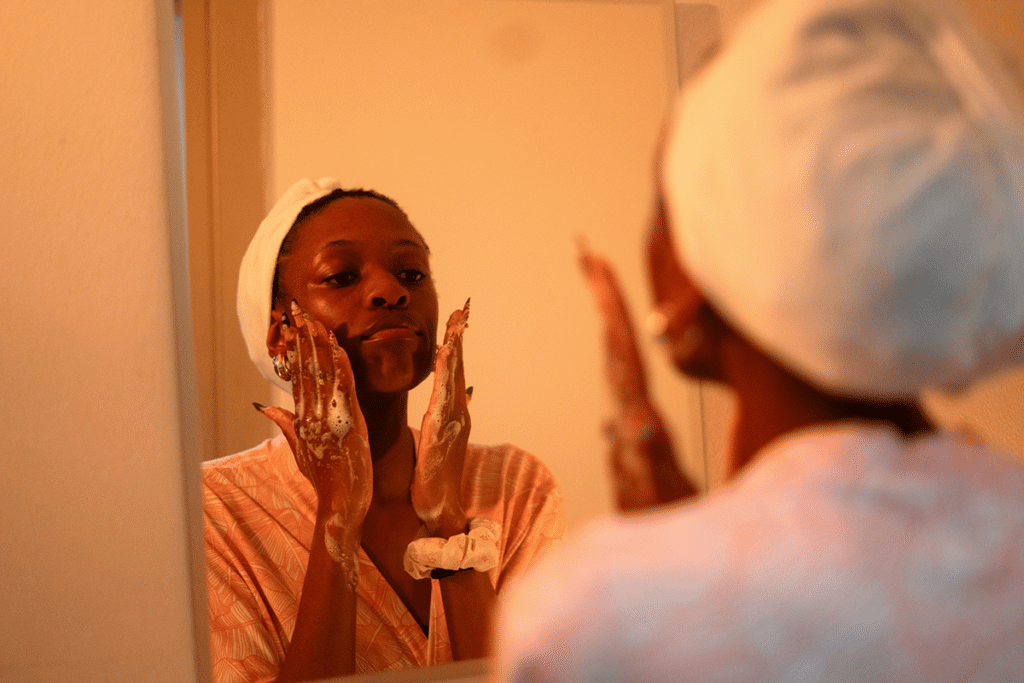
Have you ever applied a moisturizer only to have your skin feel tight again an hour later?
It can be frustrating, especially if you’re using products that are supposed to keep your skin soft and hydrated. Many women assume they simply need a richer moisturizer, but that’s not always the answer.
Tight-feeling skin doesn’t automatically mean your skin is dry. In some cases, it may be a sign of dehydration, a weakened skin barrier, over-cleansing, or even an underlying skin condition. Understanding the cause is the first step toward choosing the right solution.
In this article, we’ll explore the most common reasons your skin still feels tight after moisturizing, explain the difference between dry and dehydrated skin, and share practical tips to help your skin feel comfortable again.
Image credit: Photo by Christian Agbede on Unsplash
Why Does Your Skin Feel Tight After Moisturizing?
A moisturizer works by helping your skin retain water and reducing moisture loss. However, if the underlying problem isn’t being addressed, even a good moisturizer may not provide lasting relief.
According to the Cleveland Clinic, persistent skin tightness can result from several factors, including environmental conditions, over-washing, harsh skincare products, aging, and certain skin conditions that weaken the skin’s natural protective barrier.
Rather than assuming your moisturizer has failed, it’s worth asking a different question:
What is your skin trying to tell you?
5 Common Reasons Your Skin Still Feels Tight
1. Your Skin Barrier May Be Damaged
Your skin barrier is the outermost protective layer of your skin. It helps keep moisture inside while shielding your skin from irritants, pollution, and bacteria.
When this barrier becomes damaged, water escapes more easily through the skin, making it feel tight, rough, or sensitive even after you’ve applied moisturizer.
Common signs include:
- tightness after cleansing
- increased sensitivity
- redness
- flaky patches
- burning or stinging when applying skincare products
A damaged skin barrier often develops gradually. Overusing exfoliating acids, retinoids, harsh cleansers, or washing your face too frequently can all contribute.
If you’ve recently introduced several active skincare products, your skin may simply need time to recover.
Learn how to strengthen your skin’s natural defenses in our guide to How to Protect Your Skin Barrier Naturally (Simple Daily Habits).
2. Your Skin May Be Dehydrated, Not Dry
Many people use the terms dry skin and dehydrated skin interchangeably, but they’re not the same.
Dry skin is a skin type that naturally produces less oil.
Dehydrated skin is a temporary condition caused by a lack of water within the skin.
This distinction matters because someone with oily skin can still have dehydrated skin and experience tightness after moisturizing.
Other signs of dehydrated skin may include:
- skin that looks dull or tired
- fine dehydration lines
- tightness that comes and goes
- makeup that suddenly looks patchy
- skin that feels oily and tight at the same time
If this sounds familiar, improving your skin’s hydration—not simply adding heavier creams—may make a noticeable difference.
Not sure whether your skin is actually dehydrated? Read Signs Your Skin Is Dehydrated and What May Help to learn how to tell the difference.
3. Your Moisturizer May Not Be Right for Your Skin
Not all moisturizers work the same way.
Some lightweight lotions are excellent for normal or oily skin but may not provide enough support if your skin barrier is compromised.
On the other hand, applying an extremely rich cream to skin that’s actually dehydrated won’t necessarily solve the problem either.
According to dermatology experts at the Cleveland Clinic, choosing the right texture depends on both your skin type and the severity of dryness. Creams generally provide more moisture than lotions, while ointments offer the strongest protection against water loss.
Instead of buying the most expensive product, look for ingredients that help strengthen and hydrate the skin, such as:
- ceramides
- glycerin
- hyaluronic acid
- squalane
- petrolatum (for very dry skin)
Sometimes, switching to a moisturizer that’s better suited to your skin’s current needs is all it takes.
Looking for product recommendations? Explore our guide to 5 Best Moisturizers for Dry and Sensitive Skin (Dermatologist Favorites).
4. You’re Washing Away Moisture Before Your Skin Can Hold On to It
Many skincare routines begin with a cleanser, but the wrong cleanser can undo much of the good your moisturizer is trying to do.
Foaming cleansers that leave your face feeling “squeaky clean” often remove more than dirt and excess oil. They can also strip away natural lipids that help your skin retain moisture.
Hot water can make this even worse.
If your skin feels tight immediately after washing—even before you apply any products—your cleanser may be contributing to the problem.
A gentle cleanser, lukewarm water, and applying moisturizer while your skin is still slightly damp can help reduce moisture loss throughout the day.
Applying products in the right order also matters. Here’s The Best Order to Apply Your Morning Skincare Products.
5. External Factors May Be Drying Out Your Skin
Sometimes, your skincare routine isn’t the main issue.
Environmental factors can quietly reduce your skin’s moisture levels, making it difficult for even a good moisturizer to keep up.
Some of the most common triggers include:
- cold or windy weather
- low indoor humidity
- long, hot showers
- air conditioning or central heating
- frequent sun exposure
As we get older, the skin also naturally produces less oil, making persistent tightness more common over time.
If you’ve noticed seasonal changes in your skin, your moisturizer may need to change with the weather as well.
Dry Skin vs. Dehydrated Skin: Why the Difference Matters
One of the biggest reasons people struggle to solve skin tightness is that they’re treating the wrong problem.
If your skin lacks oil, it needs products that replenish and protect its natural barrier.
If it lacks water, it needs hydration and habits that help prevent water from evaporating too quickly.
Although the symptoms can overlap, understanding the difference helps you make smarter skincare choices instead of simply applying thicker products and hoping for the best.
How to Help Your Skin Feel Comfortable Again
The good news is that tight-feeling skin often improves with a few simple changes. Instead of constantly switching products, focus on supporting your skin’s natural barrier and reducing unnecessary irritation.
Choose a Gentle Cleanser
If your face feels tight immediately after washing, your cleanser may be too harsh.
Look for fragrance-free, non-stripping cleansers that remove dirt without leaving your skin feeling “squeaky clean.” Your skin should feel comfortable after cleansing, not dry or stretched.
Moisturize While Skin Is Still Slightly Damp
One of the easiest ways to improve hydration is to apply moisturizer within a few minutes of cleansing.
This helps trap some of the water already present on your skin instead of allowing it to evaporate.
Simplify Your Routine
When your skin feels irritated, adding more products isn’t always the answer.
Sometimes, less really is more.
Consider taking a short break from strong exfoliating acids, retinoids, or multiple active ingredients until your skin feels balanced again.
Protect Your Skin Every Day
Daily sunscreen doesn’t just help prevent premature aging. It also protects your skin barrier from UV damage, which can contribute to dryness and irritation over time.
A simple routine of:
- gentle cleanser
- moisturizer
- broad-spectrum sunscreen
is often enough while your skin recovers.
When Should You See a Dermatologist?
Occasional skin tightness is common, especially during colder months or after trying a new skincare product.
However, it’s a good idea to speak with a dermatologist if your symptoms:
- don’t improve after several weeks of gentle skincare
- become painful or intensely itchy
- include persistent redness or swelling
- are accompanied by cracking, bleeding, or signs of infection
- interfere with your daily comfort
According to the Cleveland Clinic, persistent dryness and tightness can sometimes be linked to skin conditions such as eczema, psoriasis, or allergic contact dermatitis. These conditions often require more than over-the-counter moisturizers and may need professional evaluation.
Getting the right diagnosis early can prevent months of frustration and help you choose treatments that actually address the underlying cause.
Small Daily Habits That Can Make a Big Difference
Healthy skin is rarely the result of a single “miracle” product.
Instead, it’s usually the combination of small habits that protect your skin every day.
Try to:
- avoid very hot showers
- use a humidifier if indoor air is very dry
- drink enough water throughout the day
- avoid over-exfoliating
- be patient when introducing new skincare products
Your skin barrier needs time to recover, and consistency often matters more than constantly buying new products.
If your skin often feels dry, sensitive, or irritated, building a simple, consistent routine usually works better than constantly trying new products. Our skincare guides can help you understand what your skin needs and how to care for it every day.
Final Thoughts
If your skin still feels tight after moisturizing, don’t assume you simply need a heavier cream.
That uncomfortable feeling may be your skin’s way of telling you something else is going on—whether it’s dehydration, a weakened skin barrier, an overly harsh skincare routine, or environmental stress.
The good news is that most of these causes can be improved with gentle skincare habits and the right products.
Instead of chasing quick fixes, focus on understanding what your skin actually needs. Once you address the underlying cause, you’ll often find that your moisturizer works much better than before.
Once your skin feels comfortable and balanced again, you may want to add an antioxidant step. Our guide to the best vitamin C serums can help you choose one that fits your routine and budget.
Does your skin still feel tight even after applying moisturizer?
Have you found a product or habit that made a real difference?
Share your experience in the comments — your story could help another reader care for their skin with more confidence.