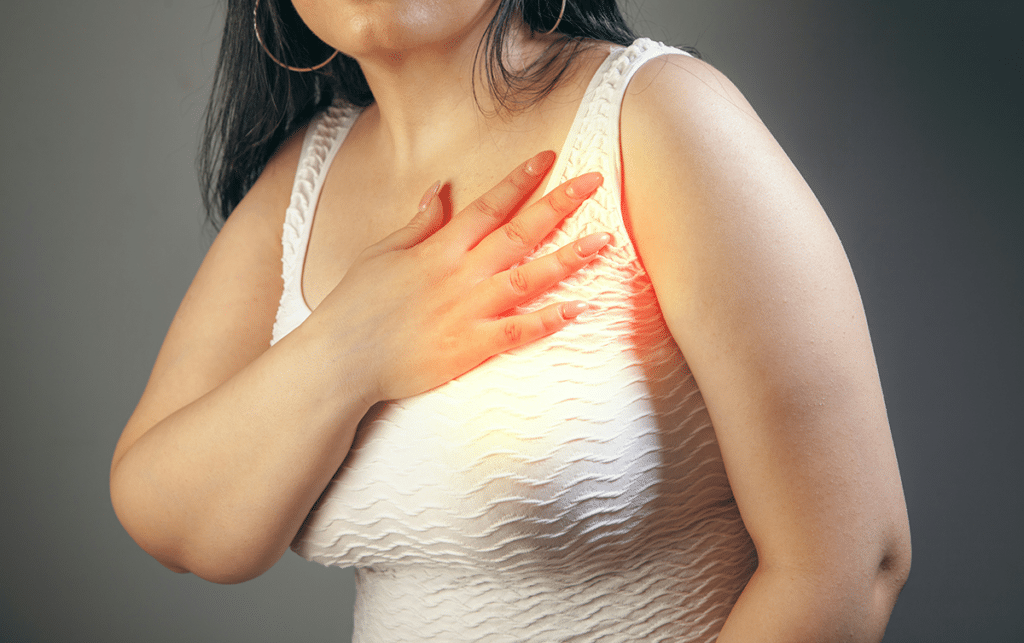
You are sitting on the sofa when your heart starts thumping. Later, a flutter as you turn out the light sends you reaching for your phone.
Perimenopause heart palpitations can feel unsettling, especially when they arrive without warning. Hormonal changes may contribute, but the timing alone cannot establish the cause.
Here is what to track, which other explanations deserve attention, and when to seek medical help.
Photo by Sasun Bughdaryan on Unsplash
In This Article
What Do Heart Palpitations Feel Like?
Palpitations are the sensation of becoming unusually aware of your heartbeat.
They may feel like:
- Racing or pounding
- Fluttering in the chest
- A skipped or extra beat
- A sudden flip-flop sensation
- Pulsing in the chest, throat, or neck
They can happen while you are active, resting, lying in bed, or experiencing a hot flash.
Understanding Perimenopause Heart Palpitations
Cleveland Clinic cardiologist Leslie Cho, MD, says: “Some women experience extra heartbeats when they go through pregnancy or menopause.”
She describes people noticing skipped or fluttering beats even while resting. A premature beat can feel as though a beat was missed, but that sensation alone cannot identify your heart rhythm.
If other changes are appearing too, our guide to early perimenopause signs explains what else to discuss.
Hormones May Not Be the Only Cause
Poor sleep, caffeine, alcohol, nicotine, stress, and some cold medicines can trigger palpitations. Anemia, thyroid problems, and abnormal heart rhythms can cause similar sensations.
Notice possible triggers without assuming that finding one rules out a medical cause. Check medication concerns with a pharmacist or prescriber before making changes.
What Research Shows
A SWAN study of 3,276 women examined reported palpitations across the menopause transition. The group most likely to report them also had more sleep problems, perceived stress, and hot flashes or night sweats.
This observational study shows patterns; it cannot establish the cause of an individual episode.
What to Track Before Your Appointment
Note:
- When an episode began and how long it lasted.
- Whether it felt fast, irregular, or forceful.
- Activity, caffeine, alcohol, medicines, and sleep beforehand.
- Associated symptoms, including chest discomfort, breathlessness, or dizziness.
Add cycle changes or hot flashes if relevant. Do not postpone care to complete a diary.
Try This Today
Photograph the labels of your medicines, supplements, and cold remedies so you can show them at your appointment.
When to Seek Medical Help
Get Emergency Help
Seek emergency care for palpitations that do not stop, or occur with chest pain, shortness of breath, or feeling faint or fainting. Mayo Clinic also lists severe dizziness as a reason for emergency assessment.
Do not drive yourself.
Seek an Urgent Appointment
If palpitations with those warning symptoms have stopped, seek an urgent appointment rather than waiting for them to return.
Arrange a Medical Review
Book a visit if episodes keep returning, become more frequent, last longer than a few minutes, or you have a heart condition or family history of heart problems.
The NHS guidance on palpitations explains these distinctions.
What Testing May Involve
An ECG records your heart’s electrical activity. If episodes come and go, a clinician may suggest a Holter or event monitor to record your rhythm over a longer period.
Mayo Clinic’s diagnosis guide explains how these tests help investigate intermittent symptoms. A normal ECG between episodes may miss the rhythm causing them.
Your history and examination guide which other tests are needed.
If palpitations tend to appear alongside nighttime hot flashes, creating a cooler sleep environment may also help, so take a look at our cooling blanket picks for menopause night sweats.
Frequently Asked Questions
Can Hormone Therapy Help Perimenopause Heart Palpitations?
A systematic review of 37 studies found some evidence of benefit from hormonal treatments, but study quality limited firm recommendations. Hormone therapy is not a guaranteed solution; discuss your symptoms, medical history, and treatment suitability with your clinician.
Can a Smartwatch Tell Whether Palpitations Are Hormonal?
No. A recording may help your clinician assess an episode, but it cannot establish a hormonal cause. Seek care according to your symptoms even if the watch display looks normal.
Final Thoughts
Hormones may contribute to palpitations, but identifying the cause matters more than attaching a menopause label. Track what you notice and get help according to the symptoms.
For a separate concern about disrupted nights, explore how hormones affect sleep.
Have you noticed a pattern in when palpitations happen?
What details have helped you describe the episodes at an appointment?
Share your experience in the comments if you feel comfortable.