

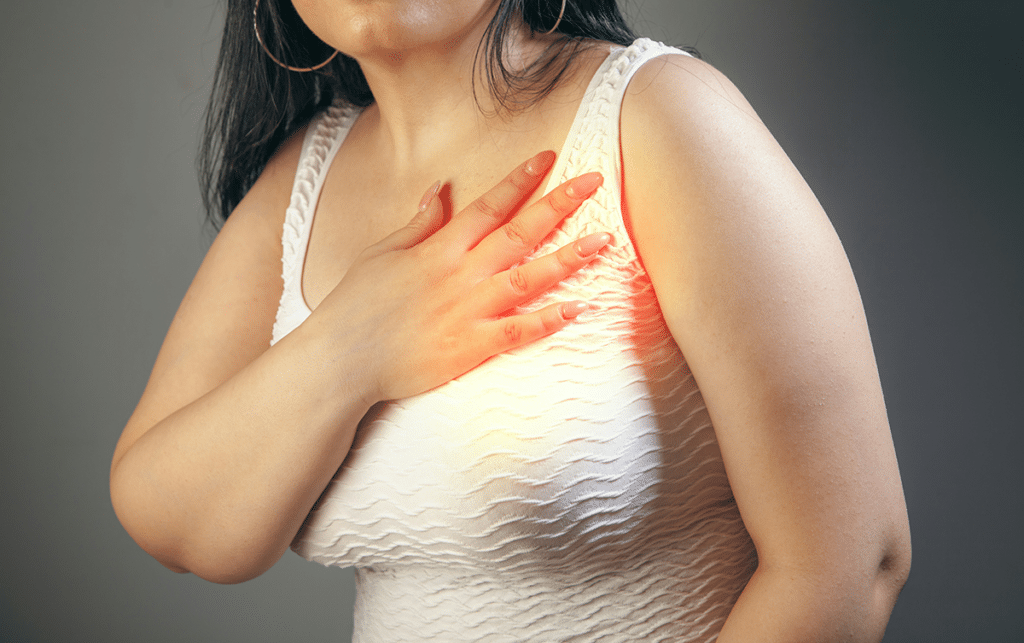
Your heart suddenly races while you are sitting quietly.
Or perhaps it flutters, pounds, or seems to skip a beat just as you are trying to fall asleep. The sensation may last only a few seconds, but it can leave you tense and wondering whether something is wrong.
Heart palpitations can occur during perimenopause, but hormones are not the only possible explanation. New, frequent, or worsening symptoms deserve medical attention rather than being automatically dismissed as “just menopause.”
Image credit: Photo by Sasun Bughdaryan on Unsplash
What Do Heart Palpitations Feel Like?
Palpitations are the sensation of becoming unusually aware of your heartbeat.
They may feel like:
- Racing or pounding
- Fluttering in the chest
- A skipped or extra beat
- A sudden flip-flop sensation
- Pulsing in the chest, throat, or neck
They can happen while you are active, resting, lying in bed, or experiencing a hot flash.
Can Perimenopause Really Cause Palpitations?
During perimenopause, estrogen and progesterone levels can fluctuate unpredictably. These hormonal changes may affect heart rate, temperature regulation, sleep, and the way your nervous system responds to stress.
Cleveland Clinic notes that palpitations may begin early in perimenopause and continue through menopause. They are often harmless, but a healthcare professional should still rule out a heart rhythm problem or another medical cause.
Expert Insight
The important message is not that every flutter is dangerous. It is that a new change in your heartbeat should not be self-diagnosed as hormonal.
If palpitations appear alongside cycle, sleep, or temperature changes, our guide to early perimenopause signs women often miss may help you see the wider pattern.
Why the Experience Can Feel So Frightening
Dr. Stephanie Faubion of Mayo Clinic describes women arriving at menopause clinics deeply frightened by unexpected symptoms such as palpitations and anxiety. Some fear that they are experiencing a life-threatening event because the physical sensations feel so unfamiliar and intense.
That fear is understandable. Anxiety can then make the heartbeat feel even faster, creating a cycle of symptoms and worry.
Hormones May Not Be the Only Cause
Palpitations can also be triggered by stress, anxiety, caffeine, alcohol, strenuous exercise, fever, stimulant-containing medicines, or thyroid problems. Less commonly, they may be caused by an abnormal heart rhythm.
Pay attention to whether episodes happen:
- After coffee or alcohol
- During stressful periods
- Alongside hot flashes or night sweats
- Before your period
- After poor sleep
- After starting a new medicine
If stress seems closely connected, read about the signs your cortisol levels may be too high.
Palpitations that repeatedly wake you may also fit into the pattern discussed in why you wake up around 3 AM.
Research Highlight
A review of studies found that palpitations have been reported by up to 42% of perimenopausal women. They were also associated with poorer sleep, stress, and depressive symptoms, although that does not prove that hormones were the only cause.
This helps explain why palpitations often appear as part of a cluster rather than as an isolated symptom.
What to Track Before Your Appointment
Keep a brief record of:
- When the episode began
- How long it lasted
- Whether the heartbeat felt fast, irregular, or forceful
- Coffee, alcohol, medicines, stress, or exercise beforehand
- Hot flashes, dizziness, breathlessness, or chest discomfort
- Where you were in your menstrual cycle
A smartwatch can provide useful information, but it cannot replace a professional assessment.
When to Contact a Healthcare Professional
Arrange an appointment if palpitations are new, recurring, becoming more frequent, or affecting sleep and daily life.
Seek urgent medical help if they occur with:
- Chest pain or pressure
- Fainting
- Severe shortness of breath
- Severe dizziness
These combinations can signal a problem requiring immediate assessment.
What Testing May Involve
Your clinician may ask about symptoms, medicines, caffeine intake, stress, and family history.
Evaluation can include an electrocardiogram, blood tests, or a portable Holter monitor that records heart rhythm during normal daily activities.
These tests can help distinguish a short-lived hormonal or lifestyle-related trigger from thyroid disease, anemia, or a heart rhythm condition.
If palpitations tend to appear alongside nighttime hot flashes, creating a cooler sleep environment may also help, so take a look at our cooling blanket picks for menopause night sweats.
Final Thoughts
Perimenopause may contribute to a racing, pounding, or fluttering heartbeat, especially when palpitations appear alongside hot flashes, cycle changes, anxiety, or disrupted sleep.
But common does not mean something to ignore.
Track when the episodes happen, notice possible triggers, and discuss new or persistent palpitations with a healthcare professional. Understanding the cause can replace uncertainty with a clearer plan and help you feel safer in your body.
For more support, explore how hormones affect sleep and the small daily habits that may help you feel steadier through perimenopause.
What about you?
Have you noticed a racing, fluttering, or pounding heartbeat during perimenopause?
Share your experience in the comments below — your story may help another woman feel less alone.