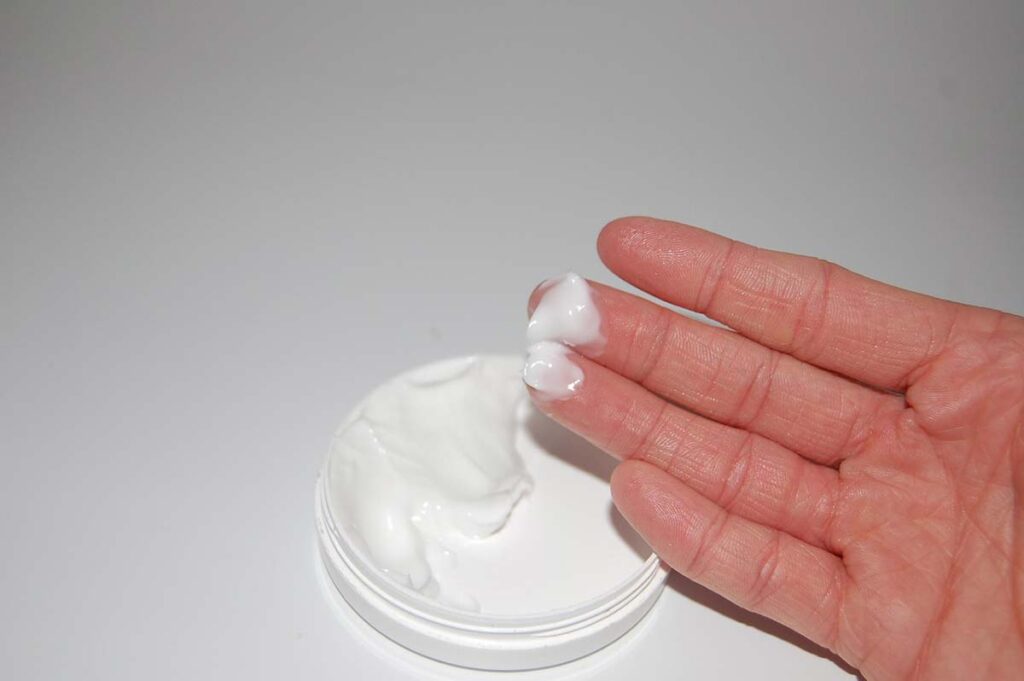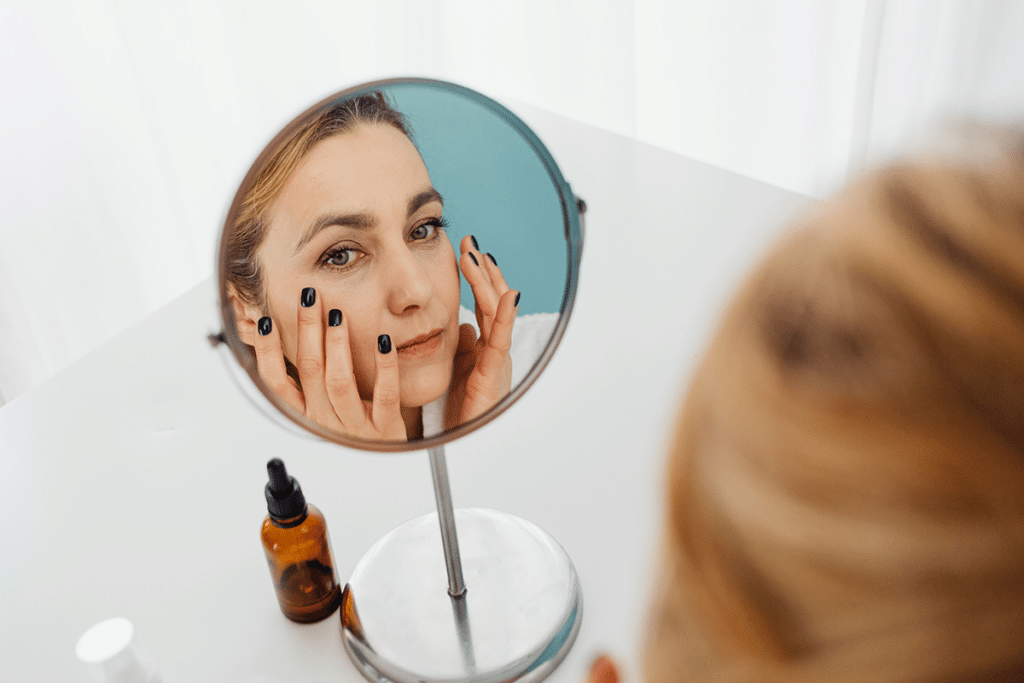
You cleanse, moisturize, and use sunscreen, but your cheeks still look rough or flat in the bathroom mirror. Makeup seems to emphasize the texture, and another brightening serum starts to look tempting.
If your skin looks dull, the next step depends on what comes with it: tightness, flaking, uneven color, or irritation.
Here are four possible explanations and ways to adjust your routine without overwhelming your skin.
Photo by kaboompics.com on Pexels
In This Article
What Does “Dull Skin” Actually Mean?
Dull skin is not a medical diagnosis. Usually, people use the term when their complexion seems less reflective, uneven, rough, or tired-looking.
Skin tends to look more luminous when its surface is smooth and well hydrated. When that surface becomes dry or uneven, light scatters differently and the complexion can appear flatter.
4 Reasons Your Skin Looks Dull
1. Dryness Is Changing the Surface
Cleveland Clinic dermatology specialist Lauren Zamborsky, CNP, explains that skin with too little natural oil can look dull and feel tight or scaly.
Notice how your face feels after washing. Our guide to signs of dehydrated skin explores moisture loss and discomfort in more detail.
2. Your Skin Texture Has Changed
Writing for Harvard Health, dermatologist Neera Nathan, MD, explains how age-related changes in the outer skin layer may contribute to roughness and reduced luminosity.
When introducing ingredients, she advises: “Begin in a stepwise fashion, and increase frequency or add additional products only as tolerated.”
Our guide to how often to exfoliate explores choosing a schedule that suits your skin.
3. Sun Exposure Has Affected Skin Tone
Dermatologist Shilpi Khetarpal, MD, explains that UVA exposure can contribute to pigmentation even while driving or sitting near a window.
An uneven complexion may look less luminous without an obvious sunburn. Sun protection belongs in the routine even when your main concern is cosmetic.
4. Your Routine Is Irritating Your Skin
Combining scrubs, exfoliating acids, and retinoids can leave skin dry and uncomfortable. New stinging, tightness, or peeling is a reason to review your products.
More treatment can create more irritation. Our guide to protecting your skin barrier offers ways to simplify the routine.
A Real Question About Exfoliation
In a RealSelf question and answer, a reader taking isotretinoin (Accutane) described dry, dull skin and asked about weekly exfoliation.
Dermatologist Bryan K. Chen, MD, said he generally advises against additional exfoliating treatments because many of his isotretinoin patients cannot tolerate them.
This example concerns skin during prescription acne treatment. If you take isotretinoin, check new skincare products with your prescriber.
What to Try When Your Skin Looks Dull
Start with a gentle cleanser and a moisturizer you already tolerate. For sun protection, the American Academy of Dermatology recommends broad-spectrum, water-resistant sunscreen with SPF 30 or higher. Reapply about every two hours outdoors and after swimming or sweating.
Pause optional products that cause irritation. Once your skin is comfortable, introduce only one new active at a time, following its directions.
AAD exfoliation guidance warns that aggressive exfoliation can increase dark spots, particularly in darker skin tones. Do not exfoliate sunburned or broken skin.
Skin does not need to burn to benefit from a routine.
Try This Today
Take one unfiltered photo in natural light before changing your routine, then use the same lighting for later comparisons. Note tightness or stinging alongside appearance.
When Dullness Deserves More Attention
See a dermatologist for persistent itching, burning, scaling, a new rash, or unusual discoloration, especially if simplifying skincare does not help.
Bring your product names and note when symptoms began. These details can help distinguish irritation from an allergy or another skin condition.
Frequently Asked Questions
Can Oily Skin Still Look Dull?
Yes. An oily shine does not guarantee even texture or skin tone, and oily areas can coexist with dry or irritated patches. Choose products according to how different areas feel rather than stripping the whole face.
How Should I Test a New Brightening Product?
The AAD recommends testing a new product on a small area for seven to ten days before wider use. Follow its directions, including whether to rinse it off, and stop if a reaction develops. Testing cannot guarantee that a product will suit your face.
Final Thoughts
If your skin looks dull, let comfort guide the next change. Skin that stings or flakes needs a different approach from comfortable skin with uneven texture.
For an optional step once your skin is comfortable, our vitamin C serum guide compares formulas.
Does your skin look dull even when your routine is consistent?
What changes have helped your skin feel more comfortable?
Share your experience in the comments.