Your usual cream still sits beside the sink, but now your cheeks feel tight and your shins itch after showering. Dry skin during menopause can make a familiar routine feel suddenly less comfortable.
Hormonal changes can contribute, while dry air, hot water, and irritating products may add to the problem.
A few changes can help you care for the skin you have now.
Photo by RDNE Stock project on Pexels
In This Article
Why Dry Skin During Menopause Can Feel Different
As estrogen declines, skin can retain water less effectively. The American Academy of Dermatology explains that dryness can be especially noticeable when the surrounding air is dry.
Dermatologist Rachel Reynolds, MD, speaking to Harvard Health, notes that people whose skin was previously unproblematic may develop new dryness as they age. The early years after menopause can be particularly noticeable.
Changes may include tightness, roughness, flaking, or itching. If cream leaves your skin feeling uncomfortable, explore why skin can feel tight after moisturizing.
4 Care Steps for Dry Skin During Menopause
1. Wash Gently and Keep Water Lukewarm
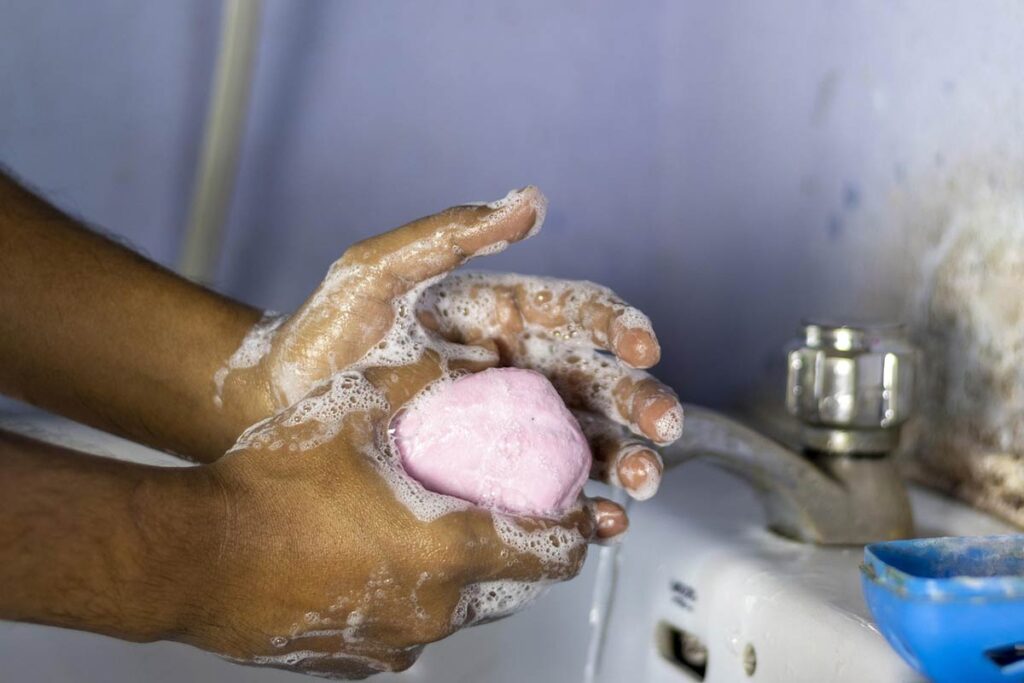
Cleveland Clinic dermatologist Kiyanna Williams, MD, recommends a gentle, non-foaming cleanser for sensitive, dry skin. Keep showers short and use warm water instead of hot water.
Cleanse gently with your fingertips and avoid scrubbing flaky areas. Tightness after washing is a reason to review the cleanser and water temperature.
2. Apply a Cream or Ointment to Damp Skin
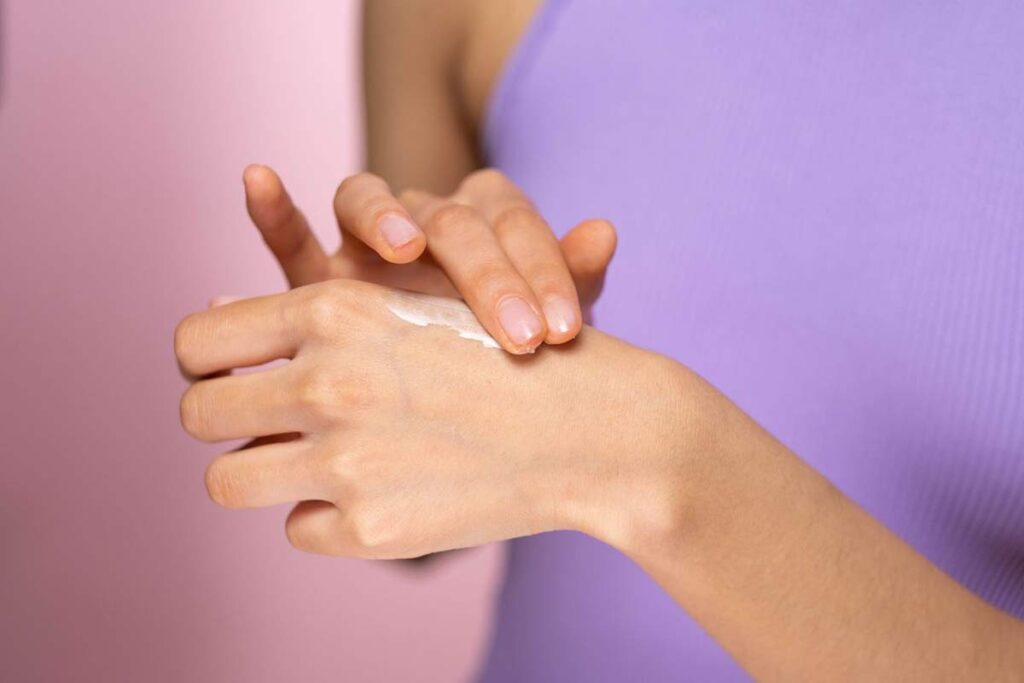
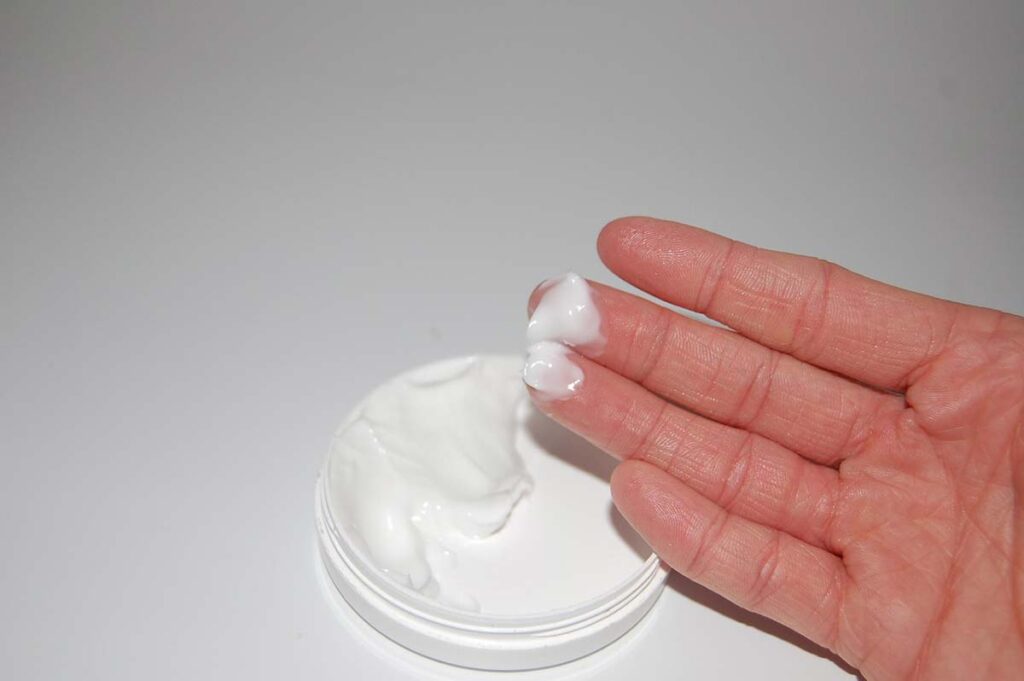
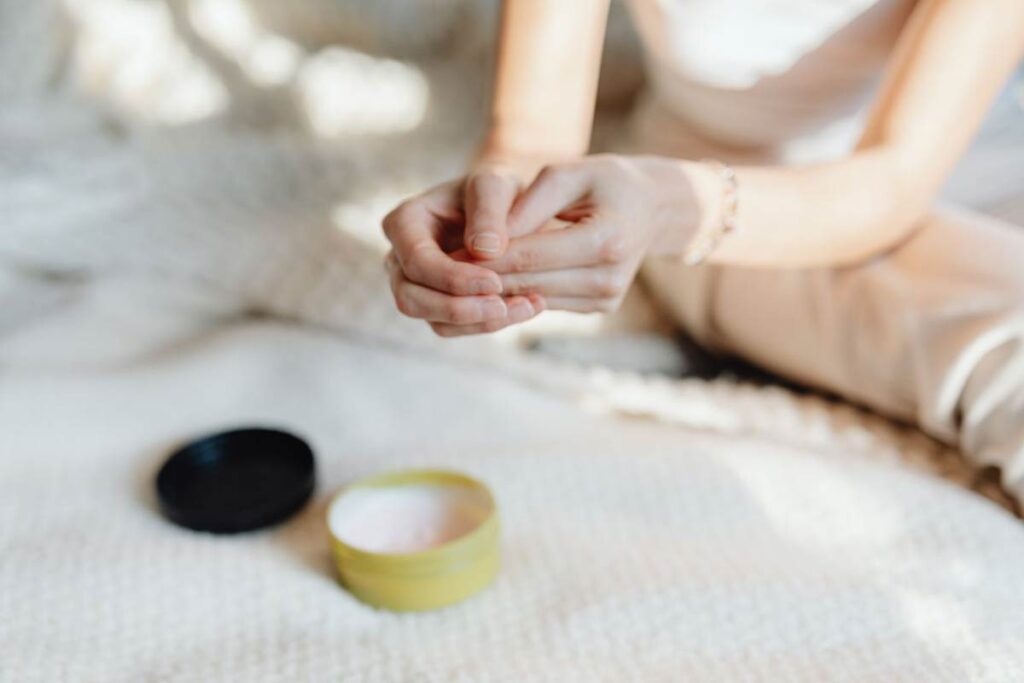
Moisturize soon after cleansing or bathing, while skin is slightly damp. Creams and ointments generally suit dry skin better than thin lotions; glycerin or hyaluronic acid can help hold water.
Reapply when skin feels dry. Our moisturizer comparison for dry and sensitive skin can help you compare textures and ingredients.
3. Pause Products That Leave Skin Stinging
Choose fragrance-free products and pause over-the-counter scrubs or retinol products that cause burning or flaking. If a prescribed treatment is irritating, ask your prescriber how to adjust it.
Keep the routine focused on comfort while you identify what aggravates your skin. These habits for protecting your skin barrier offer practical starting points.
4. Protect Exposed Skin From the Sun
Use broad-spectrum SPF 30 or higher daily on exposed areas. Reapply every two hours while outdoors, and after swimming or sweating.
Sunscreen protects against UV damage; it does not replace a moisturizer. Use shade and a wide-brimmed hat for additional protection when you spend time outdoors.
Dryness With New Redness: A Real Reader Question
In a Mayo Clinic Q&A, a reader describes longstanding dry skin with new facial flushing that lasts weeks. Dermatologist Dawn Marie Davis, MD, discusses rosacea as a possibility.
The example illustrates why recurring flushing deserves assessment alongside your usual skincare. Menopause and a separate skin condition can coexist.
Try This Today
Tonight, note whether tightness begins after washing, after an active product, or later in the day. Bring that timing, along with your product list, to a skincare appointment if symptoms persist.
When Dry Skin Needs Medical Advice
Mayo Clinic recommends seeking medical advice when dryness persists despite self-care or causes problems such as:
- Painful or inflamed skin.
- Discomfort that disrupts sleep or daily activities.
- Open sores or signs of infection.
- Large areas of scaling or peeling.
Cracks that bleed, a persistent rash, or worsening irritation also deserve attention. Bring a list of products and treatments you use to the appointment.
Frequently Asked Questions
Will Drinking More Water Fix Menopausal Dry Skin?
Maintaining normal fluid intake matters, but extra water is not a substitute for moisturizing the skin. Dry indoor air and irritating products may still need attention.
Can I Have Acne and Dry Skin at the Same Time?
Yes, breakouts can occur alongside menopausal dryness. If they persist, a dermatologist can suggest treatment that takes your skin’s sensitivity into account.
Final Thoughts
Dry skin during menopause can mean your old routine needs adjusting. Begin with gentle cleansing, regular moisturizing, and sun protection, then use persistent discomfort or new symptoms as a reason to seek advice.
If dryness has made you more cautious with active ingredients, our guide to the best retinol serums for women over 40 highlights gentler options that may fit mature, moisture-hungry skin.
Did your usual skincare routine become less comfortable during menopause?
Which change helped your skin feel calmer or less dry?
Share what you feel comfortable discussing in the comments below.